
Mali soldiers and allied militias accused of village massacres in segou
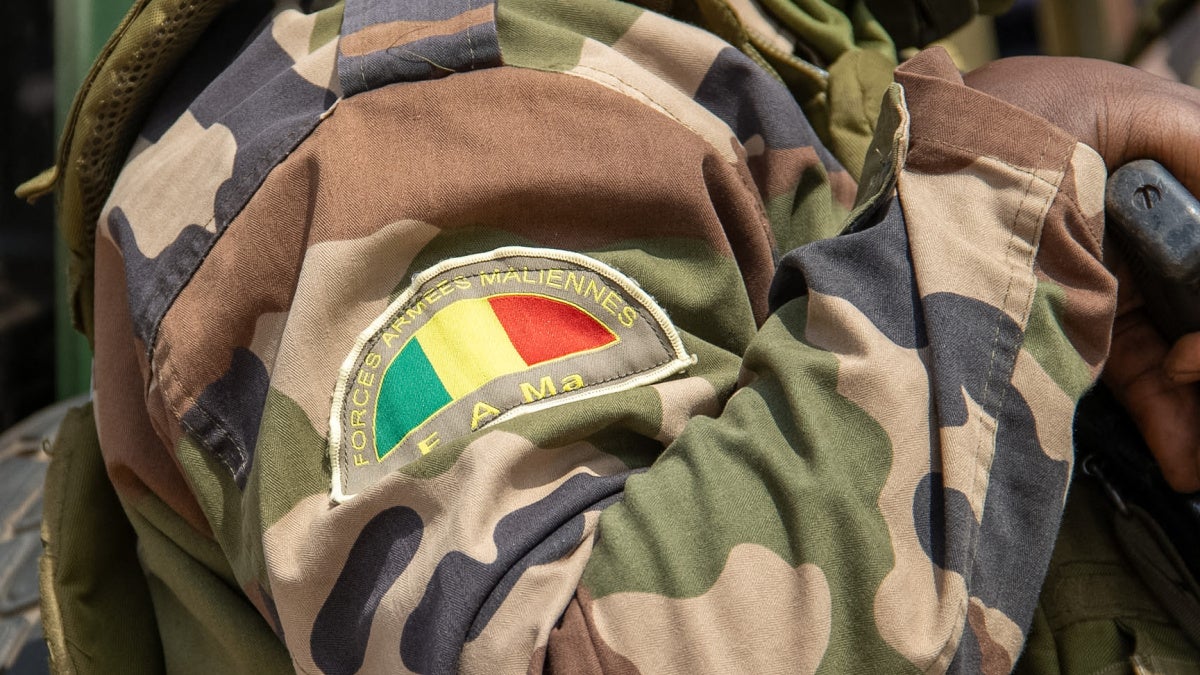
In the heart of central Mali, two villages in the Ségou region became the stage for a tragic escalation of violence last October, as reports confirm that soldiers from the Malian Armed Forces (FAMA) and allied Dozos militias were responsible for the deaths of at least 31 civilians. The incidents, unfolding on October 2 and 13, left entire communities in ruins, with homes torched and lives shattered.
a pattern of violence in a conflict-stricken region
On October 2, armed men—identified by witnesses as soldiers in camouflage uniforms and Dozos militiamen adorned with traditional charms—descended upon the village of Kamona. Their arrival followed warnings from members of the Group for the Support of Islam and Muslims (JNIM), an al-Qaeda-affiliated faction controlling the area, prompting many villagers to flee. Those who remained were systematically rounded up and executed, with at least 21 men killed and 10 homes set ablaze. Survivors recounted how the attackers, accusing the villagers of collaborating with JNIM, showed no mercy as they opened fire.
Witnesses described discovering 17 bodies beneath a tree and four more north of the village, with some victims bearing signs of brutal execution—gunshot wounds to the head, limbs broken, and even one man whose skull was shattered. A 40-year-old shepherd, who hid with his 9-year-old daughter, found the gruesome scene upon returning. “The people had been riddled with bullets,” he recalled. “I saw spent casings scattered around the bodies.”
By the afternoon, the attackers had withdrawn, leaving behind a trail of devastation. Villagers compiled a list of 21 male victims, aged 20 to 65, though some locals believe the toll could be higher, with rumors of at least 15 additional men killed in the surrounding bush. Fear kept them from verifying the claims.
another massacre in balle: ten more lives lost
Ten days later, on October 13, the same pattern repeated in the nearby village of Balle, roughly 55 kilometers from Kamona. Soldiers in five pickup trucks and Dozos fighters on at least 30 motorcycles stormed the village, forcing some to flee while others faced a brutal onslaught. A 24-year-old man recounted how soldiers went door-to-door, assaulting men before opening fire. “I heard gunshots from my hiding place,” he said.
The aftermath revealed ten civilian casualties, including a 55-year-old woman, and nine men aged 22 to 67. Their bodies lay strewn in the village center, some with broken limbs. The attackers also looted over 100 cattle, stripping the community of its livelihood. One survivor, a 33-year-old man, found the bodies of the victims. “They were shot at close range,” he said. “Some had broken bones.”
The woman’s 21-year-old daughter provided a harrowing account of her mother’s death. According to her, the woman confronted the soldiers, accusing them of mistreating villagers. “She marched toward them,” she said. “They took her to where the men were gathered and shot her.”
military claims disputed by witnesses
The Malian Armed Forces issued a statement claiming their October 13 operation near Balle was a successful “offensive reconnaissance” that resulted in the neutralization of “around twenty terrorists” and the seizure of military equipment. However, locals vehemently denied the presence of any armed groups in Balle, stating that the village has been under JNIM control for years. “We pay zakat to them every year,” said one resident. “They resolve disputes. There are no soldiers, gendarmes, or police here. The army doesn’t distinguish between us and them.”
This latest wave of violence follows a series of JNIM attacks in the Ségou region, including a brazen assault on the Siribala sugar factory in August. The escalating conflict has left thousands dead and displaced over 400,000 people since 2012, as the Malian government continues its decade-long battle against Islamist armed groups. Both the military and allied militias, as well as JNIM and other factions, have been accused of grave human rights abuses.
international law and accountability
Under international humanitarian law, all parties in the conflict are bound to uphold the Geneva Conventions and customary laws of war, which prohibit attacks on civilians, executions, and torture. Despite Mali’s withdrawal from the International Criminal Court (ICC) in September, the country remains a party to the Rome Statute until September 2026. The ICC opened an investigation into alleged war crimes in Mali in 2013, though accountability remains elusive.
The African Union (AU) has faced criticism for its limited response to the crisis. While the AU’s Peace and Security Council has expressed concern, experts argue that stronger diplomatic and coordinated regional efforts are needed to hold perpetrators accountable. “The AU must prioritize this conflict,” said a senior researcher. “Regular briefings, strengthened diplomacy, and coordinated regional action are essential to ensure justice for the victims.”