
How Morocco’s diplomacy freed a french spy in Mali
In a remarkable display of diplomatic influence, Morocco has emerged as the key player in the release of Yann Vézilier, a French intelligence operative detained in Mali for nearly a year. The resolution of this complex case underscores Rabat’s growing strategic role in Sahelian affairs, particularly in high-stakes negotiations where traditional channels have struggled to yield results.
From detention to freedom: the timeline of a delicate negotiation
Detained since August 2025, Yann Vézilier faced a grim fate when he was sentenced on June 5, 2026, to 20 years in prison on charges of threatening Mali’s national security. The allegations centered on his alleged involvement in an attempt to destabilize the country—a claim that strained relations between Bamako and Paris. Yet, just two months later, a dramatic reversal occurred when Malian President Assimi Goïta granted him a presidential pardon, paving the way for his eventual departure from Malian territory.
The swiftness of this decision caught many observers off guard. Behind the scenes, a meticulous diplomatic process had unfolded, culminating in Morocco’s discreet yet decisive intervention. Official statements from Malian authorities referred to an unnamed “brotherly nation” that had provided “good offices”—a diplomatic term widely interpreted as a nod to Morocco’s pivotal role in brokering the deal.
Why Bamako trusted Rabat’s mediation
The success of this operation highlights the unique position Morocco holds in the Sahel. Unlike other foreign actors, Rabat has maintained open lines of communication with Malian authorities despite the political turbulence that has swept through the region. This trust is not built on empty promises but on tangible cooperation—security partnerships, economic exchanges, and a shared commitment to regional stability.
Morocco’s ability to navigate complex political landscapes in the Sahel stems from its long-standing engagement with local governments. Whether through military training initiatives, intelligence-sharing agreements, or economic investments, Rabat has cultivated relationships that many Western nations find difficult to replicate. In this case, those deep-rooted connections proved instrumental in facilitating the dialogue between Paris and Bamako, even as Franco-Malian relations remained strained.
A proven strategy: Morocco’s successful track record in the Sahel
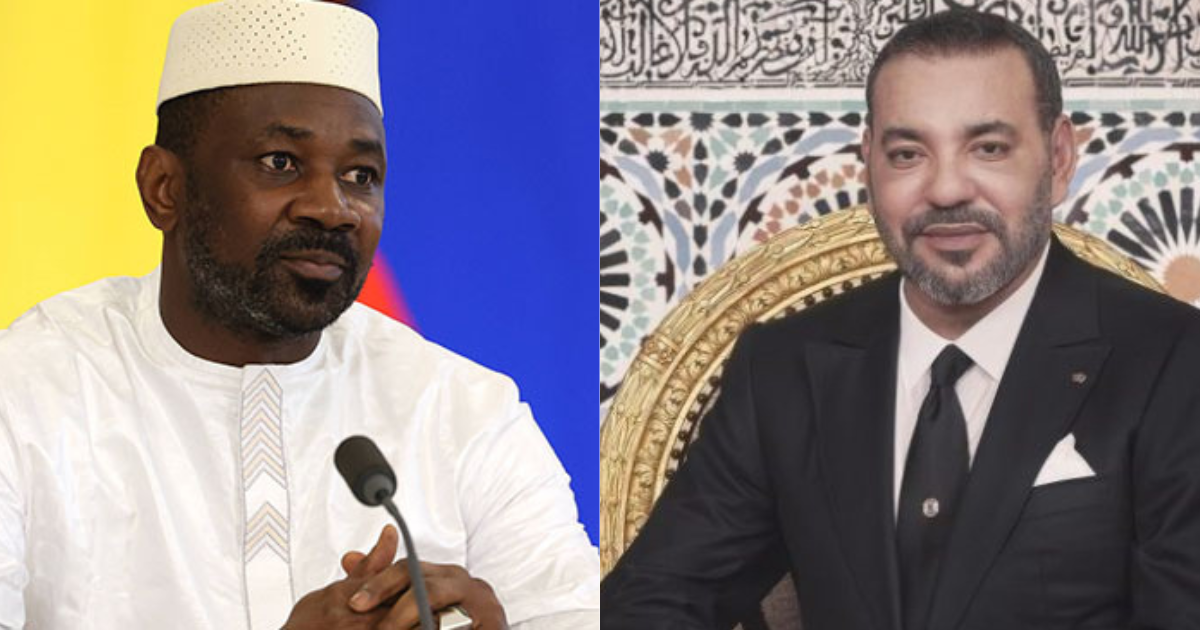
The liberation of Yann Vézilier is not an isolated incident. In December 2024, Morocco played a similar role in securing the release of four French intelligence agents from Burkina Faso, where multiple diplomatic attempts had previously failed. The success of that mission further cemented Rabat’s reputation as a reliable mediator in the region.
Morocco’s approach is rooted in pragmatism. By focusing on mutual interests—security, economic development, and political stability—it has positioned itself as a bridge between Europe and the Sahel. This strategy has allowed it to operate effectively in areas where other nations struggle to establish meaningful dialogue.
What’s next for Morocco’s diplomatic influence in the Sahel?
The resolution of Yann Vézilier’s case sends a clear message: Morocco is no longer a peripheral player in Sahelian geopolitics. Its ability to secure high-profile releases, even in politically sensitive contexts, demonstrates its growing clout. As Western nations reassess their strategies in the region, Rabat’s role as a mediator and partner is likely to become even more prominent.
For Mali, the decision to grant the pardon reflects not only a desire for reconciliation but also recognition of Morocco’s unique position. As Bamako continues to navigate internal and external challenges, the trust placed in Rabat may offer a model for future diplomatic engagements in the Sahel.