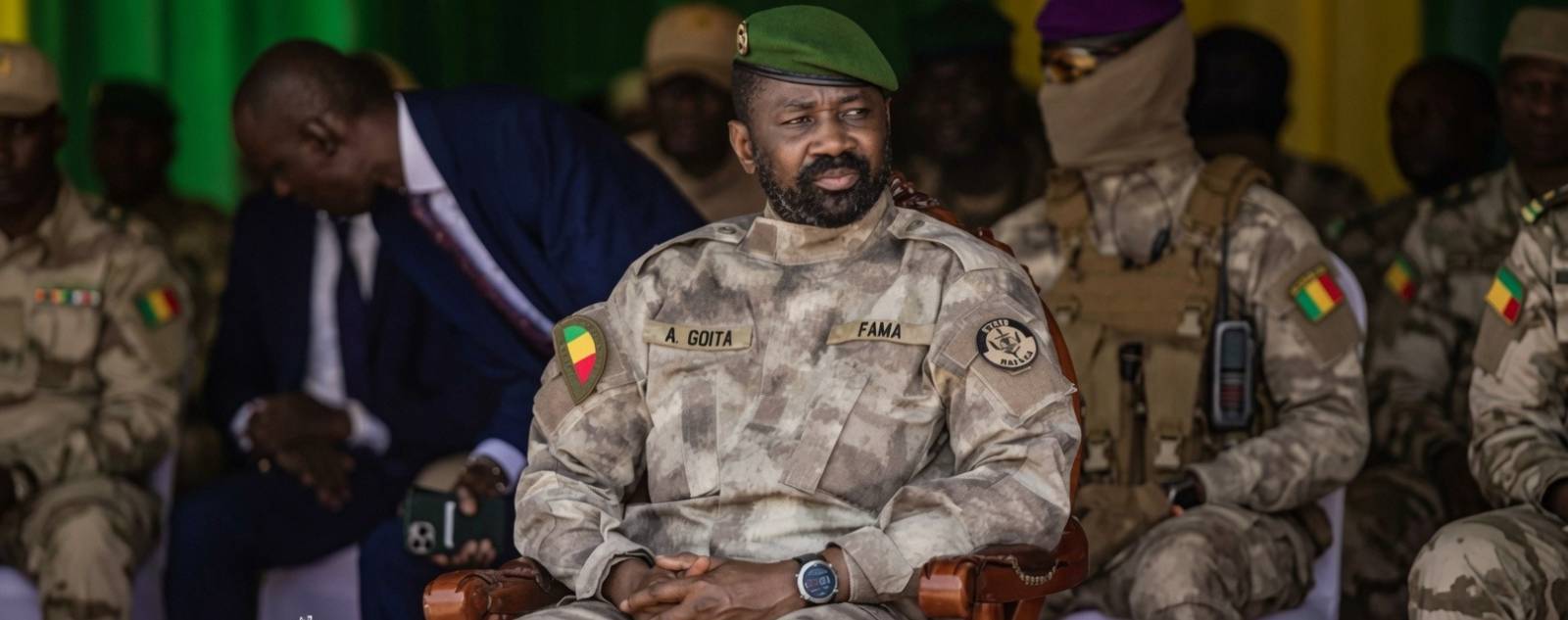

The Malian army’s public relations arm has once again rolled out its headline-grabbing statistics, this time presenting a staggering toll of alleged jihadist losses over the past two months. According to the Defence Information and Public Relations Directorate (DIRPA), 1,850 « neutralised » fighters, 45 destroyed bases, and scores of vehicles and motorcycles reduced to ashes between June and July 2026. Yet beneath the bravado lie unanswered questions about methodology, verifiability, and the ground truth.
Counting without proof: the illusion of precision
The colonel-major leading the DIRPA press briefing, Bakary Bocar Maïga, delivered these figures with an air of authority, but where is the independent corroboration? In West Africa’s conflict zones, military spokespeople now operate with minimal oversight. No neutral observers, civil society groups, or journalists have been granted access to verify these claims. The term « neutralised » itself remains frustratingly vague—does it refer to armed combatants killed in action, suspects arrested during sweeps, or civilians caught in crossfire within areas sealed off from outside scrutiny?
The absence of nominative lists or transparent identification protocols only deepens the ambiguity. Locals living in these « cleared » zones often face suspicion, detention, or worse, blurring the line between insurgents and civilians in a climate of total information blackout.
Victory proclaimed, insecurity persists
Therein lies the contradiction: while Bamako’s war communiqués herald decisive victories, Malian citizens continue to endure daily threats. If the army truly dismantled 45 bases and eliminated nearly 2,000 fighters, why do major highways remain hotspots for ambushes? Why must convoys of fuel tankers travel under heavy military escort if the forests and insurgent havens have been « purged »?
The resurgence of high-profile attacks—including strikes on strategic camps near San and Konna, and simultaneous assaults by the Jama’at Nusrat al-Islam wal Muslimin (JNIM) in the North and East—paints a starkly different picture. Far from being « severely weakened, » armed groups demonstrate alarming resilience, adapting tactics to target even fortified garrisons. Celebrating imminent triumph while ignoring such contradictions speaks more to persuasive rhetoric than tactical reality.
Information lockdown: a tool for strategic justification
The DIRPA’s aggressive data dumps are not just about battlefield updates—they serve a broader political purpose. By showcasing overwhelming « success, » the military seeks to legitimise controversial decisions, from the Dougoukoloko Plan to the deepened partnership with Russia’s Africa Corps contingent. With foreign partners sidelined and military budgets ballooning, the government needs to demonstrate tangible progress to justify its security strategy.
Bamako has tightened its grip on information, criminalising dissenting analyses of the security landscape. Independent scrutiny is stifled, and a single narrative dominates: victory is always just around the corner, even as evidence on the ground tells a far grimmer story. Until the DIRPA replaces astronomical claims with verifiable transparency, its latest « achievements » will only feed the growing cynicism of those who bear the brunt of Mali’s unrelenting insecurity.