
Mayo-Tsanaga gripped by ashes: Boko Haram’s devastation and state inaction
The terror that refuses to fade
Cameroon’s Mayo-Tsanaga region is burning. For over a decade, the shadow of Boko Haram has not lifted—it has grown darker. What began as a distant threat in Nigeria’s Borno State has seeped across borders, leaving a trail of destruction in its wake. The first Camerounian blood spilled by this insurgency was in Tourou, near Mokolo, where militants established a foothold on Mount Gossi in 2014. Since then, the cycle of violence has only intensified.
Boko Haram does not discriminate. Its fighters torch homes, schools, and health centers. They slaughter civilians, abduct women and children, and seize farmlands. The list of targeted sites reads like a map of despair: from Mokolo to Koza, from Mayo-Moskota to the abandoned villages that dot the landscape. Over 50 communities have emptied out, their people scattered or buried. Names like Gossi, Vizik, Ldamang, and Koza are now synonymous with loss.
The human exodus: villages left in silence
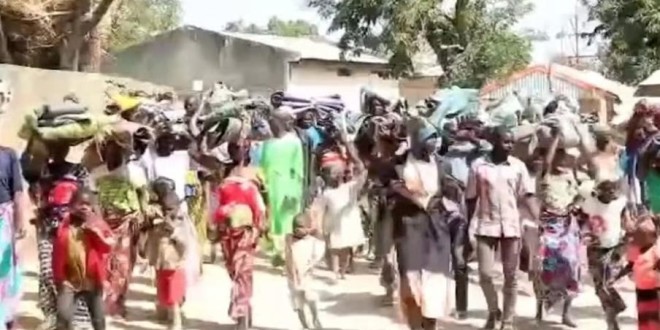
The numbers tell a grim story. In May 2022, local leaders reported that ten villages had been completely deserted, two were under militant control, and seven more faced relentless assaults. By mid-2026, the situation had worsened. Fresh attacks in June alone displaced 482 people—78 households fleeing Mokolo, Koza, and Mayo-Moskota. The ripple effect has stretched as far as Kalfou in Mayo-Danay, where nearly 300 more displaced families arrived, traveling over 200 kilometers to escape the violence.
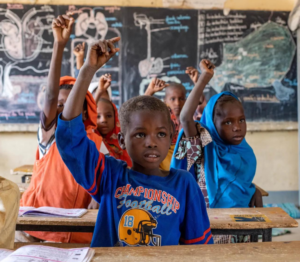
The survivors carry nothing but memories. Identity papers, land deeds, and school certificates—all reduced to ash. Families have been torn apart in the chaos. Parents flee with some children, leaving others behind in the panic. Young people, once students with dreams, now wander unprotected. Some abandon education entirely. Others turn to crime. Girls face futures stripped of hope. The psychological toll is incalculable.
A state’s hollow presence
When darkness falls, the people of Mayo-Tsanaga have nowhere to hide. They flee to caves and mountains, sharing shelter with snakes and scorpions. At dawn, they return to till the soil or tend to livestock—only to face the next attack. The military response? Insufficient. After the June 18, 2026 assault on Ldamang and Ldubam, only two soldiers were present. Two. Against heavily armed terrorists, such numbers are meaningless.
The local elite—administrators, politicians, and community leaders—are notably absent in times of crisis. They appear during election rallies, promising change. But when Tourou burns or Koza mourns, they remain silent. Their inaction speaks volumes. Visits from ministers yield photo opportunities and empty declarations, but no lasting solutions. The attacks continue. The villages continue to empty. And the state continues to watch.
The slow death of a region
Mayo-Tsanaga is not just losing its people—it is losing its future. Agriculture withers. Schools close. Markets vanish. The local economy collapses. Over 9,000 displaced residents have not returned home, and the count rises with every incursion. The fear is that this exodus will become permanent—a depopulation so severe that recovery seems impossible.
The question lingers: How many more villages must fall before the crisis in Mayo-Tsanaga becomes a national priority? The answer depends on whether Cameroon’s leaders choose to act—or to continue turning away.