Morocco archbishop faces serious allegations of misconduct
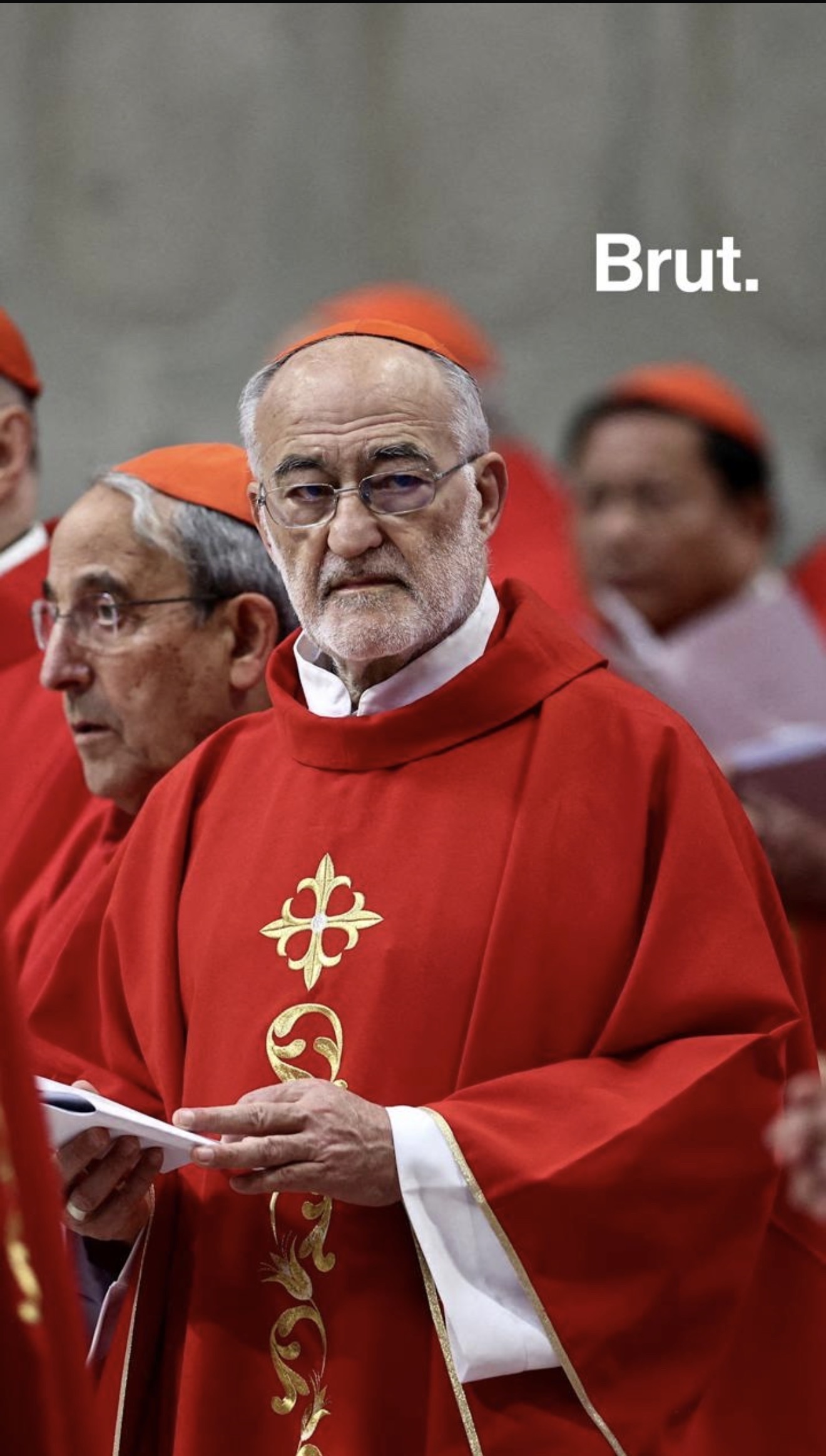
In a significant development unfolding in Morocco, five women have come forward with allegations against the Archbishop of Rabat, Cristóbal López Romero, accusing him of sexual misconduct and inappropriate behavior. The revelations have prompted swift action from the Vatican, which has initiated a formal investigation into the claims. Meanwhile, the archbishop has responded to the allegations by voluntarily stepping back from all pastoral duties for the duration of the inquiry.
The accusations, which remain unconfirmed at this stage, center on alleged incidents of sexual violence and inappropriate conduct. The women, whose identities have not been disclosed for privacy reasons, have provided their testimonies to investigators. The Vatican’s decision to open an investigation underscores the gravity of the allegations and the institution’s commitment to addressing such serious claims transparently.
Archbishop denies wrongdoing
In a statement released through his representatives, Archbishop López Romero strongly denied the allegations, calling them completely unfounded. He expressed his willingness to cooperate fully with the investigation and emphasized his commitment to maintaining the integrity of his role within the Church. The archbishop’s decision to temporarily withdraw from his duties reflects a precautionary measure while the inquiry proceeds.
The case has drawn attention not only for its sensitivity but also for the high-profile nature of the accused. As the investigation unfolds, it remains to be seen how this situation will impact both the local Church community in Rabat and the broader religious institution in Morocco.
What happens next?
The Vatican’s investigative body is expected to conduct interviews, review evidence, and gather testimonies to determine the validity of the claims. Depending on the findings, further actions—ranging from reprimand to disciplinary measures—could be taken. For now, the archbishop’s suspension from active ministry serves as an interim step while the process continues.
This case serves as a reminder of the importance of accountability within religious institutions and the need for thorough, fair investigations when such serious allegations arise.