
Morocco maintains stance on Ceuta despite Spain’s challenges
A former Spanish ambassador to Morocco has warned that Rabat is unlikely to abandon its territorial claims over Spain’s North African enclaves, Ceuta and Melilla, as migration pressures and diplomatic tensions escalate.
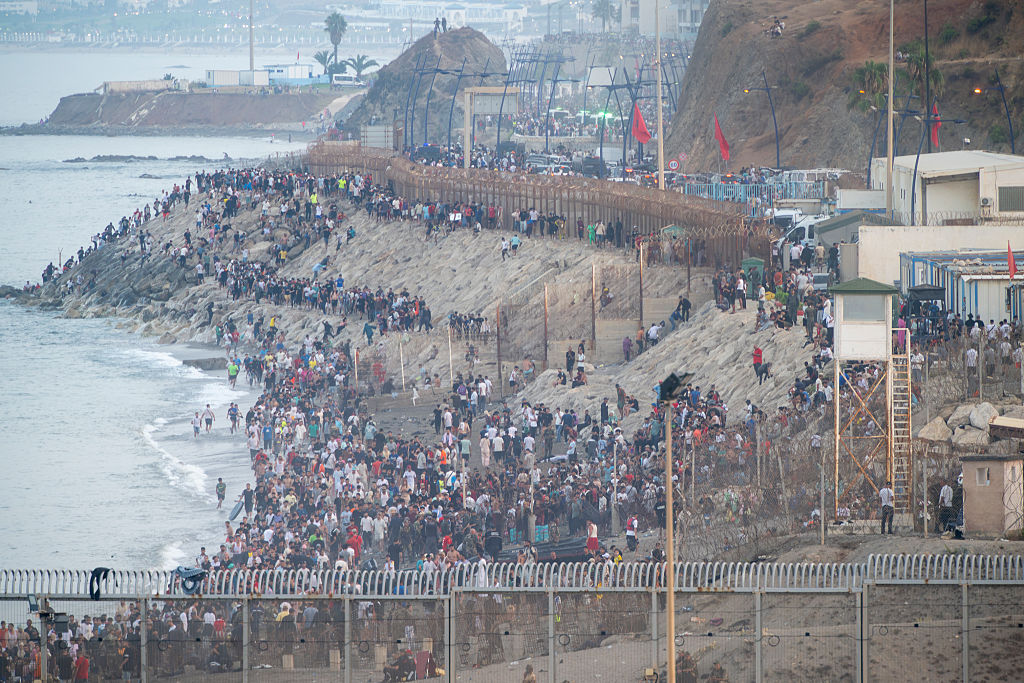
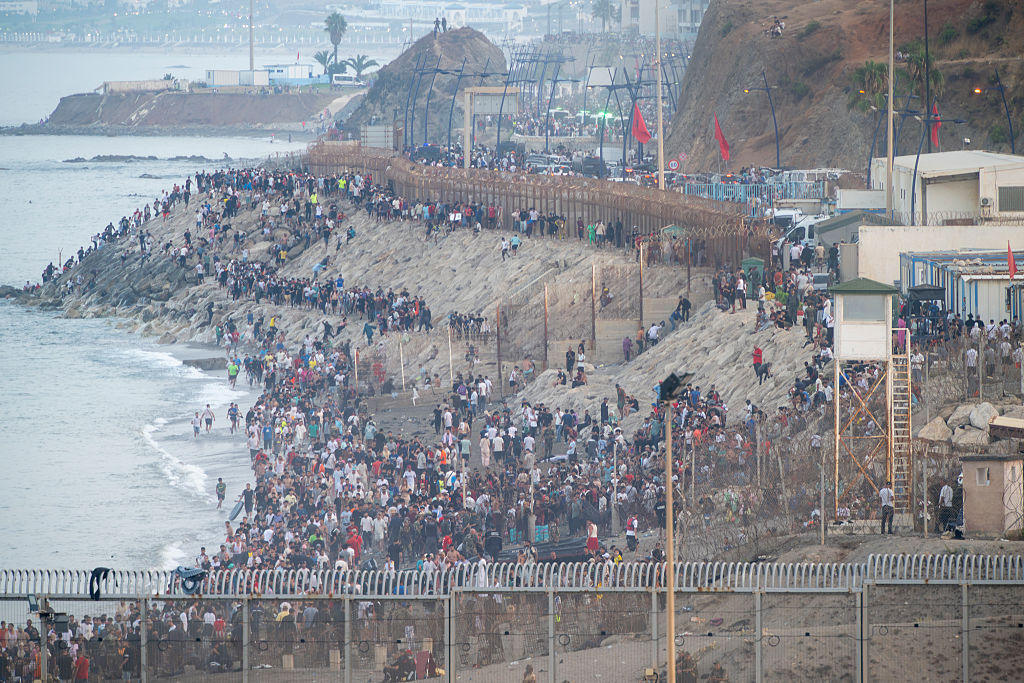
Jorge Dezcallar, who also served as Spain’s intelligence chief, emphasized that Morocco’s historical claims over Ceuta and Melilla remain a key factor in the recent surge of migrants arriving in Ceuta, which saw over 72,000 irregular crossings in late July.
Diplomatic tensions and migration pressures
Dezcallar suggested that Morocco is testing Spain’s resolve amid perceptions of a weakened government in Madrid. The Spanish administration, led by Prime Minister Pedro Sánchez, has faced multiple corruption scandals and internal divisions, further straining bilateral relations with Rabat.
« Spain and Morocco’s ties are more emotional than rational, marked by sharp fluctuations, » Dezcallar noted. Despite these tensions, the two nations rely heavily on each other for trade, migration control, counterterrorism efforts, and regional security.
Morocco’s unwavering territorial claims
Moroccan officials and state-aligned media have increasingly emphasized their country’s sovereignty over Ceuta and Melilla, territories Spain has governed for centuries. Justice Minister Abdellatif Ouahbi reiterated this stance, stating, « This issue remains unresolved. Every time we meet with Spanish counterparts, we raise it. »
Spanish Defense Minister Margarita Robles swiftly responded, declaring, « Ceuta and Melilla are Spanish, and they are non-negotiable. » Her comments followed a rare visit by a Spanish foreign minister to the enclaves—a move aimed at easing tensions with Morocco but drawing criticism domestically.
The Moroccan monarchy has never recognized Spain’s sovereignty over Ceuta and Melilla, despite their long-standing status as Spanish territories. Meanwhile, Spain’s King Felipe VI has yet to visit either enclave, reflecting the delicate nature of the dispute.
Root causes of the migration crisis
While both governments cite human trafficking networks as the immediate trigger for the recent crisis—linked to a Spanish Supreme Court ruling limiting migrant expulsions—Dezcallar pointed to potential negligence or deliberate permissiveness by Moroccan authorities.
He warned that Spain lacks the capacity to prevent such mass arrivals, noting this is not the first time Ceuta has faced an influx. In 2021, Morocco retaliated against Spain’s decision to admit a Sahrawi leader for medical treatment by facilitating the arrival of nearly 10,000 migrants to Ceuta, a move Spain labeled as a form of « blackmail. »
New threats loom over Ceuta
Intelligence sources have raised alarms about a potential new surge of migrants arriving in Ceuta on August 15, as calls to storm the city circulate on social media. Police and Guardia Civil unions have also confirmed the threat.
Dezcallar’s warning is clear: « Anyone who believes Morocco will abandon its claims over Ceuta and Melilla is mistaken. »