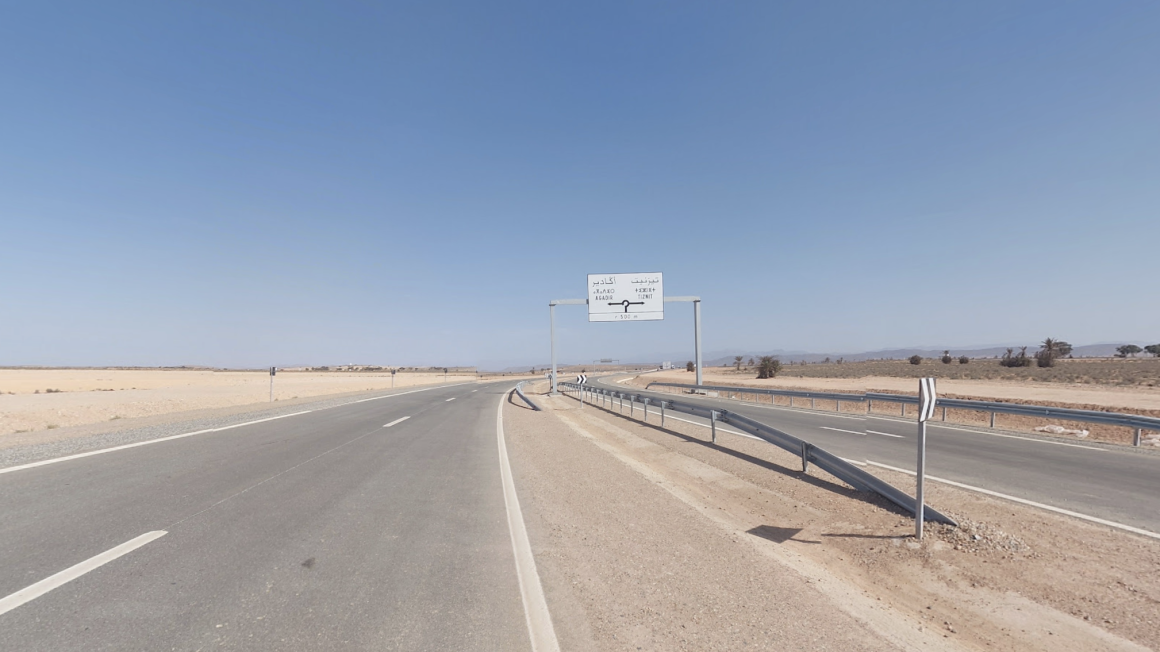
In a symbolic gesture of gratitude, Morocco has honored former U.S. President Donald Trump by naming a major highway after him. The decision, announced via official channels, links southern Morocco to the disputed territory of Sahara Occidental, a region long claimed by the Sahrawi independence movement.
The newly christened “Autoroute Donald J. Trump” spans an impressive 1,055 kilometers, making it Africa’s longest road infrastructure. The announcement came directly from King Mohammed VI, who formalized the tribute in a letter addressed to Trump on July 2, citing the U.S. leader’s historic 2020 recognition of Morocco’s sovereignty over the territory.
In his correspondence, the Moroccan monarch expressed deep appreciation for Trump’s decisive stance, stating that the recognition “will forever remain etched in the memory of Moroccans.” He emphasized that the gesture reflects “a testament to friendship and peace,” adding that the highway’s name serves as a lasting tribute to this pivotal diplomatic moment.
Why the naming took place now
The timing of the announcement coincides with Morocco’s celebration of King Mohammed VI’s 27th year on the throne. In a reciprocal message made public alongside the highway dedication, Trump reiterated his unwavering support for Morocco’s autonomy plan for Sahara Occidental, dismissing alternative proposals as prolonging an unacceptable status quo.
Washington has consistently upheld the Moroccan initiative as “the sole foundation for a just and lasting solution” to the decades-long conflict. The decision to name the highway after Trump follows his earlier declaration of support in December 2020, which came as part of a broader agreement involving Morocco’s normalization of relations with Israel.
Background of a decades-old dispute
Sahara Occidental has been a focal point of contention since Spain’s withdrawal in 1975. The resource-rich desert territory, abundant in phosphates and marine life, remains partially under Moroccan control but is officially classified as a non-self-governing territory by the United Nations. A protracted standoff persists between Rabat and the Polisario Front, backed by Algeria, over claims of sovereignty and self-determination.
The naming of the highway underscores the significance of international alliances in shaping the region’s geopolitical landscape. For Morocco, this symbolic act reinforces its diplomatic victories, particularly in securing U.S. backing for its vision of autonomy—a stance that continues to shape negotiations and regional stability.