Niger after the August mutiny: Tiani’s fear, the army’s anger, and a nation wondering what comes next
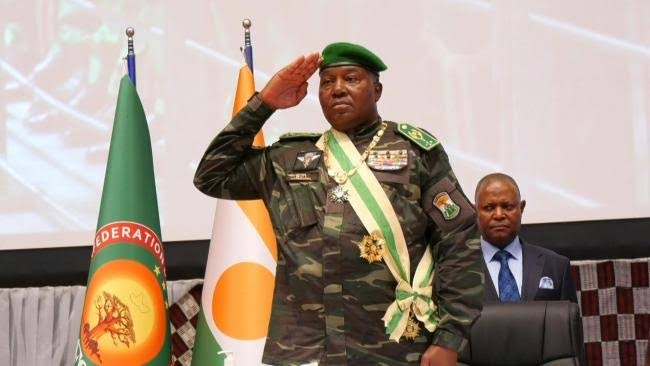
In Niamey, the question that once seemed unthinkable now circulates quietly in military barracks and government corridors alike: does General Abdourahamane Tiani regret the day he traded the relative calm of running the presidential guard for the burdens of running a country? More than three years after the July 2023 coup, the atmosphere inside the presidential palace has turned suffocating. The man who seized power by force is said to be confronting a harsh reality — that his gamble may have been a catastrophic miscalculation, and that his own life now hangs in the balance.
The fallout from a night that changed everything
The night of August 28 to 29, 2026, marked a turning point. Soldiers from multiple garrisons rose up, stormed the air base, and pushed dangerously close to the presidential palace. Tiani survived only thanks to the rapid intervention of Russian Africa Corps mercenaries. Since that night, the president has lived under the constant shadow of assassination, a fear that has become impossible to hide.
He barely leaves his bunker. Travel plans have been scrapped. His security detail is now composed largely of foreign guards and a handful of local soldiers he still trusts. The image of a leader in control has given way to that of a man under siege — not by foreign enemies, but by the very institution he once commanded.
A risky dismissal that backfired
In September 2026, Tiani attempted to regain the upper hand by removing General Moussa Salaou Barmou, the chief of defence staff and a central figure in the 2023 putsch. Barmou was subsequently placed under house arrest. The move was meant to consolidate power. Instead, it ignited a firestorm.
Barmou is widely respected among elite troops. His dismissal was interpreted in the barracks as an act of betrayal. Officers have reportedly issued ultimatums to the junta, demanding an end to arrests within the army and threatening a large-scale uprising if the president continues his purge. The very soldiers who once helped Tiani take power now pose the greatest threat to his survival.
Prisoner of his own security apparatus
A former security specialist, Tiani understands the mechanics of a coup better than most. He knows that the most immediate danger no longer comes from terrorist groups along the borders, but from within his own ranks. The irony is bitter: toppling a civilian president in 2023 proved easy; governing with the constant fear of being shot by one’s own army has become a living nightmare.
Today, Tiani is less focused on steering Niger’s future than on living to see another day. The fallout from the August mutiny and the September dismissal continues to reshape the political landscape, leaving the country — and its neighbours — wondering what comes next.