
Niger’s health system transformation: fewer medical evacuations abroad
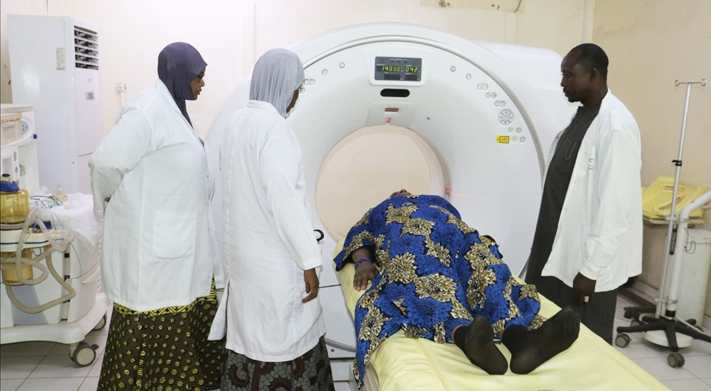
Niger is redefining its healthcare landscape by gradually reducing medical evacuations abroad. Under the leadership of Health Minister Colonel-Major Garba Hakimi, the country is investing in advanced medical infrastructure to treat more patients domestically. This strategic shift aims to strengthen the national healthcare system and make specialized care more accessible to all citizens.
Building a self-sufficient healthcare system
The transformation begins with state-of-the-art medical equipment, including 64-slice CT scanners, MRI machines, and linear accelerators for radiotherapy. The development of cancer treatment exemplifies this progress. Niger now possesses all three essential components for oncology care: surgery, chemotherapy, and radiotherapy. This breakthrough significantly reduces the need for costly and often inaccessible foreign medical evacuations.
Cardiology has also seen remarkable advancements. Complex heart surgeries are now performed locally at a fraction of the cost of treatments abroad. This shift represents more than a medical milestone—it signals a fundamental change in how Niger addresses previously outsourced health challenges.
Economic and social implications
The expansion of Niger’s technical healthcare capacity delivers profound societal and economic benefits. Families no longer face the financial burden of overseas medical care, while specialized treatments become more attainable. The initiative also fosters the growth of local medical expertise and reinforces the country’s healthcare sovereignty.
While certain highly specialized cases may still require international evacuation, the trajectory is unmistakable. Niger is steadily building its medical autonomy by enhancing infrastructure, skills, and specialized care offerings. The message is clear: the nation is committed to treating more conditions domestically that were once managed abroad.