
Niger health system transformation reduces foreign medical evacuations
Niger’s healthcare revolution: fewer medical evacuations abroad
The landscape of healthcare in Niger is undergoing a profound transformation. Once reliant on foreign medical evacuations for complex treatments, the country is now charting a bold new course toward self-sufficiency. Under the strategic leadership of Dr. Colonel-Major Garba Hakimi, Minister of Public Health and Hygiene, Niger is investing in cutting-edge medical infrastructure to bring advanced care closer to home.
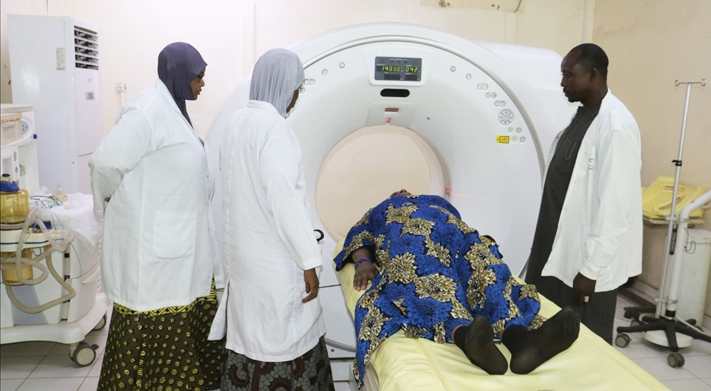
Central to this shift is the acquisition of state-of-the-art medical equipment, including 64-slice CT scanners, MRI machines, and linear accelerators for radiotherapy. Nowhere is this progress more evident than in cancer care. Niger has established all three critical pillars of cancer treatment—surgery, chemotherapy, and radiotherapy—within its own borders, drastically reducing the need for costly and often inaccessible international evacuations.
Cardiology is another area where this transformation is taking shape. Complex cardiac surgeries, once performed exclusively overseas, are now being conducted locally at a fraction of the cost. This milestone marks more than just a medical achievement; it signals a fundamental shift in how Niger addresses healthcare challenges. Conditions that once required travel abroad are now managed effectively within the country.
The benefits of this transition extend far beyond individual patients. By reducing reliance on foreign care, Niger is easing the financial burden on families and strengthening its national health system. This push for autonomy not only enhances accessibility to specialized treatments but also fosters the development of local medical expertise.
While some highly specialized cases may still necessitate overseas care, the trajectory is unmistakable. Niger is building a future where advanced medical care is accessible to all within its borders, redefining the nation’s healthcare landscape for generations to come.