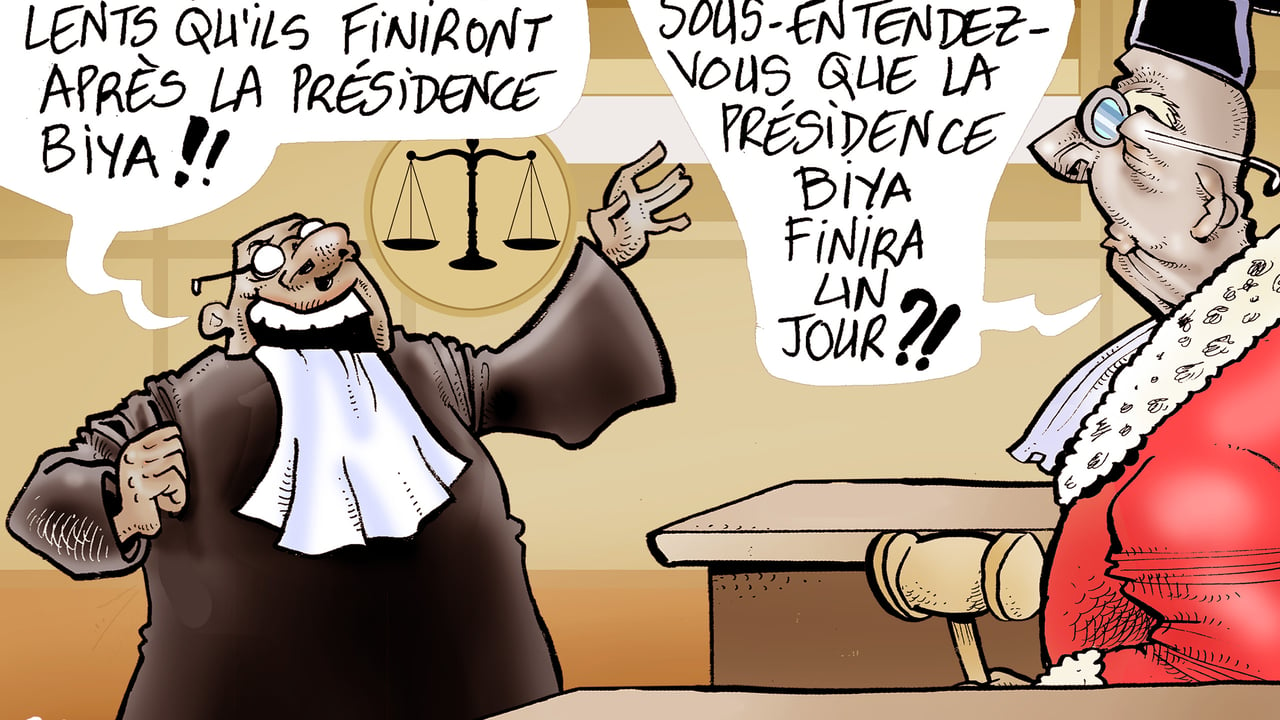

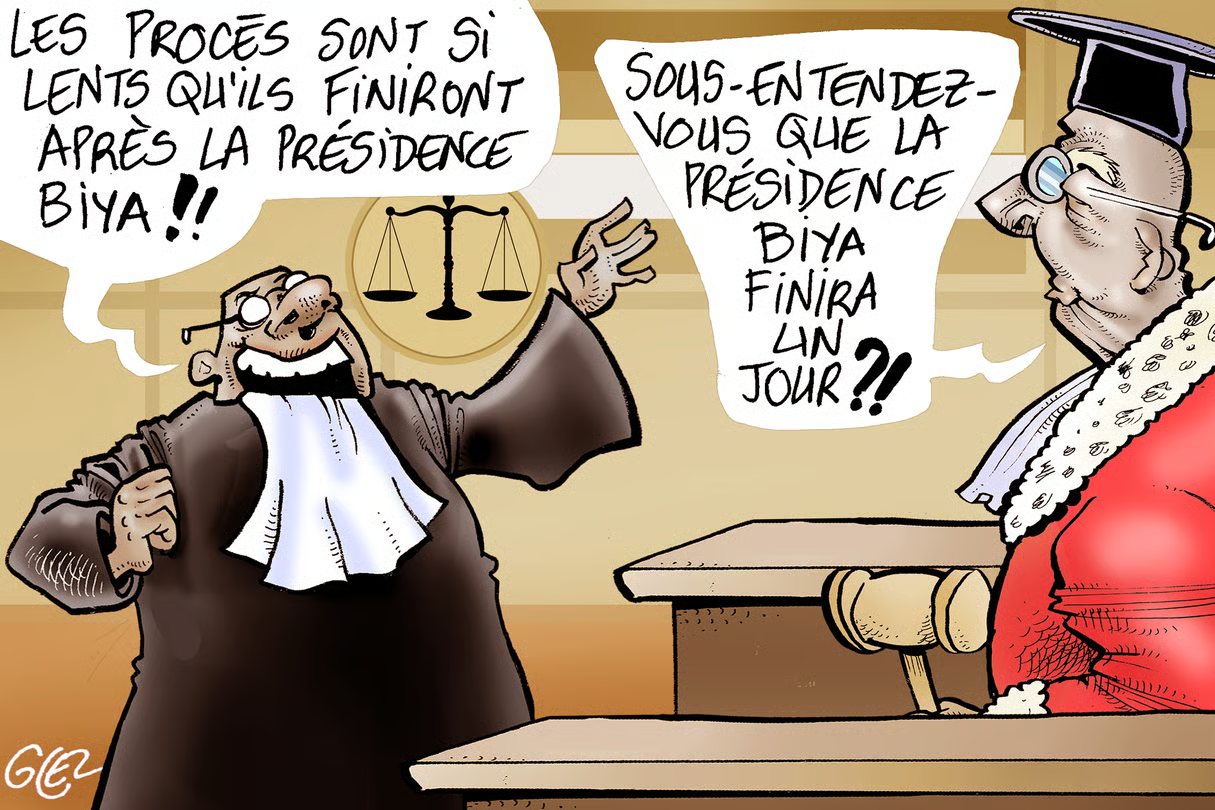
The judicial proceedings following Cameroon’s 2025 presidential election remain mired in procedural delays, leaving scores of detainees in legal limbo. Nearly two years after the vote, hearings continue at a glacial pace, frustrating both families of the accused and legal observers.
Courtrooms in Yaoundé and Douala have become stages for protracted legal battles, where procedural technicalities often overshadow the substance of the cases. Defense attorneys argue that repeated adjournments undermine the right to a fair trial, while prosecutors maintain that thorough investigations justify the delays.
Legal gridlock fuels public frustration
The prolonged trial has sparked widespread discontent, with critics accusing the judiciary of inefficiency. Activists in civil society warn that such prolonged uncertainty risks eroding public trust in Cameroon’s legal institutions. Community leaders have called for expedited proceedings, emphasizing the human cost of prolonged detention without resolution.
Among the detainees are individuals accused of involvement in postelection violence, though many have yet to face formal charges. Their prolonged incarceration without trial has drawn comparisons to systemic issues plaguing judicial systems across the region.
Families bear the brunt of uncertainty
For relatives of the accused, the wait has been agonizing. Spouses, children, and parents endure emotional and financial strain as legal proceedings drag on. Visits to overcrowded detention centers remain the only tangible connection to their loved ones, yet even these are constrained by bureaucratic hurdles.
Community support networks have emerged to assist families, offering legal guidance and financial aid. However, the scale of the crisis far outstrips available resources, leaving many in precarious situations.
Calls for judicial reform intensify
Legal experts and advocacy groups advocate for sweeping reforms to accelerate Cameroon’s judicial processes. Proposals include specialized courts for election-related cases and stricter timelines for case resolutions. The goal is to restore faith in the legal system while ensuring due process for all parties involved.
Meanwhile, the detainees’ plight underscores broader challenges within Cameroon’s judicial framework, where backlogs and inefficiencies remain persistent obstacles. As the trial drags into its second year, the pressure mounts on authorities to deliver justice without further delay.