Ousmane Sonko reignites odious debt discussion for Senegal’s public finances
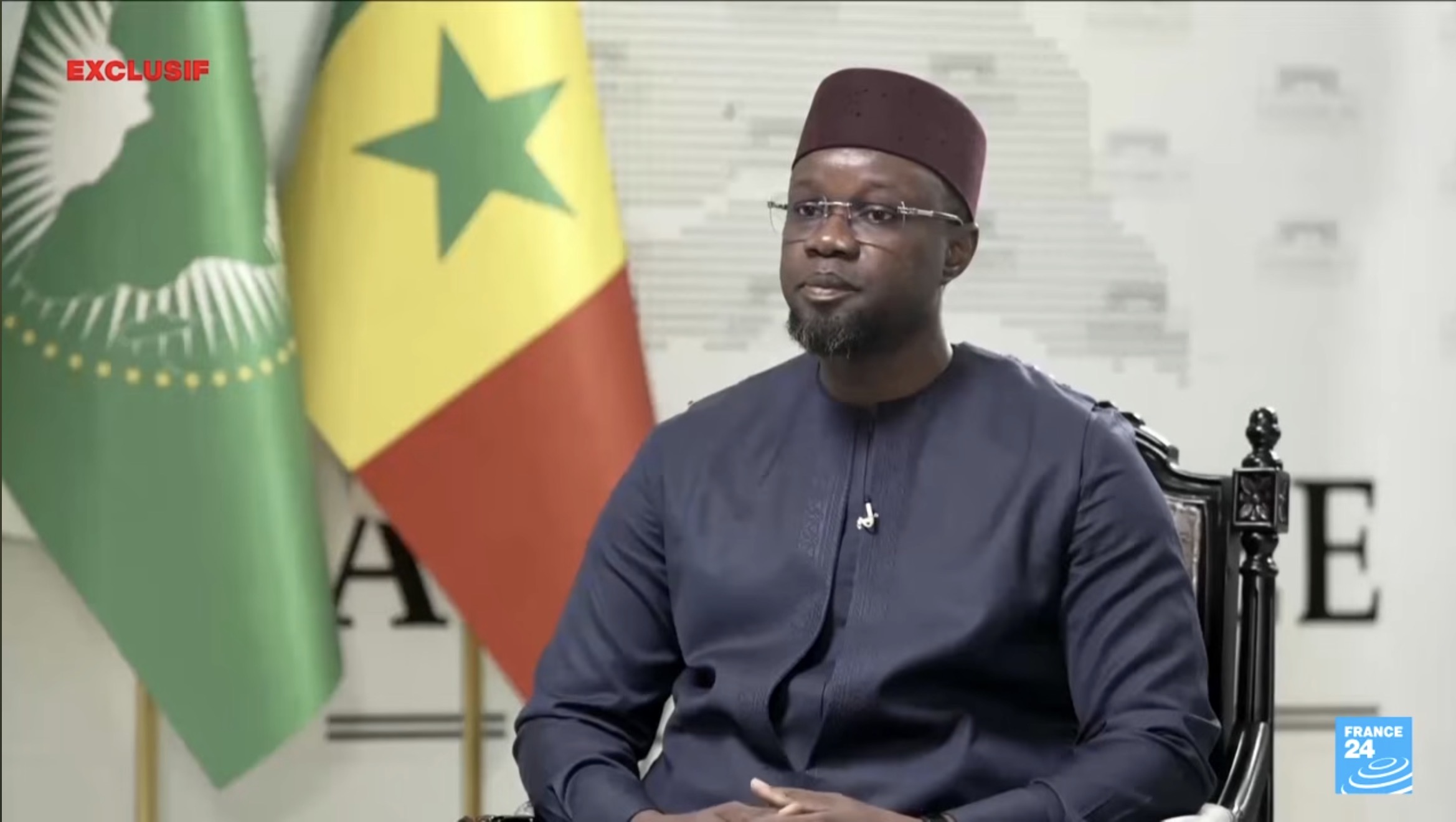
Ousmane Sonko, serving as President of the National Assembly, has brought the critical issue of Senegal’s public debt back into the national discourse. He suggests that a segment of the financial commitments inherited from the former administration might fall under the controversial concept of «odious debt».
The prominent PASTEF leader championed the new government’s commitment to presenting a transparent overview of public finances to both the citizenry and international stakeholders. He emphasized that this dedication to transparency was essential for establishing a credible and sustainable economic governance framework.
«We have opted to commence from a sound foundation,» Mr. Sonko affirmed, arguing that concealing the nation’s budgetary realities would have further undermined the national economy.
While acknowledging that any sovereign state must honor its financial obligations, the National Assembly President contended that specific debts incurred under unique circumstances warranted thorough scrutiny. Consequently, he advocated for initiating an international dialogue concerning the classification and management of what are termed «odious debts».
This principle, originating in international law, typically refers to financial liabilities acquired without clear benefit to the populace or under questionable conditions. However, its practical legal application continues to be a subject of ongoing debate within the global community.
Reflecting on his previous tenure as Prime Minister, Ousmane Sonko noted that he lacked the full range of institutional tools required to bring this financial reflection to fruition at that time. Nevertheless, he highlighted his shared vision with President Bassirou Diomaye Faye regarding the sound management of public finances.
The political leader also reiterated his firm opposition to any abrupt restructuring of the debt, emphasizing the crucial need to safeguard Senegal’s financial standing and credibility with its international partners, particularly the International Monetary Fund (FMI).
In his view, effective solutions to the current debt crisis must skillfully balance fiscal discipline, economic sovereignty, and the continued pursuit of essential structural reforms vital for the nation’s development.
Amidst a global landscape characterized by economic uncertainties and geopolitical tensions, the ongoing discussion surrounding the sustainability of public debt remains one of Senegal’s foremost economic challenges.
The prominent PASTEF leader championed the new government’s commitment to presenting a transparent overview of public finances to both the citizenry and international stakeholders. He emphasized that this dedication to transparency was essential for establishing a credible and sustainable economic governance framework.
«We have opted to commence from a sound foundation,» Mr. Sonko affirmed, arguing that concealing the nation’s budgetary realities would have further undermined the national economy.
While acknowledging that any sovereign state must honor its financial obligations, the National Assembly President contended that specific debts incurred under unique circumstances warranted thorough scrutiny. Consequently, he advocated for initiating an international dialogue concerning the classification and management of what are termed «odious debts».
This principle, originating in international law, typically refers to financial liabilities acquired without clear benefit to the populace or under questionable conditions. However, its practical legal application continues to be a subject of ongoing debate within the global community.
Reflecting on his previous tenure as Prime Minister, Ousmane Sonko noted that he lacked the full range of institutional tools required to bring this financial reflection to fruition at that time. Nevertheless, he highlighted his shared vision with President Bassirou Diomaye Faye regarding the sound management of public finances.
The political leader also reiterated his firm opposition to any abrupt restructuring of the debt, emphasizing the crucial need to safeguard Senegal’s financial standing and credibility with its international partners, particularly the International Monetary Fund (FMI).
In his view, effective solutions to the current debt crisis must skillfully balance fiscal discipline, economic sovereignty, and the continued pursuit of essential structural reforms vital for the nation’s development.
Amidst a global landscape characterized by economic uncertainties and geopolitical tensions, the ongoing discussion surrounding the sustainability of public debt remains one of Senegal’s foremost economic challenges.