The rise of rhdp in Ivory Coast’s political landscape
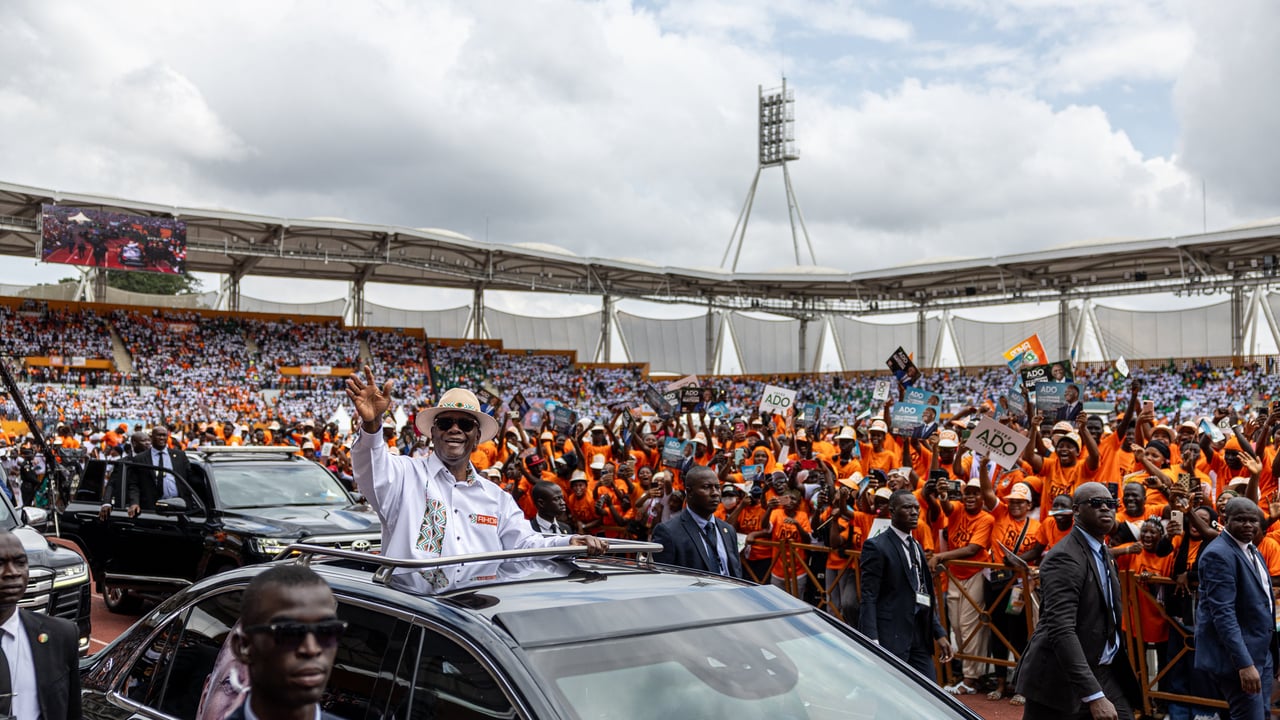
The Rally of Houphouëtists for Democracy and Peace (RHDP) stands today as Ivory Coast’s most dominant political force, shaping the nation’s governance for over a decade. This coalition, rooted in the legacy of former President Félix Houphouët-Boigny, has evolved from a unifying movement into a sophisticated political machine, steering Ivory Coast through pivotal moments in its post-independence history.
The RHDP’s journey reflects the country’s broader political narrative, marked by transitions, crises, and resilience. At its core, the coalition embodies the vision of stability and progress championed by Houphouët-Boigny, whose leadership laid the foundation for Ivory Coast’s economic and social development in the 20th century.
From Unity to Power: The RHDP’s Strategic Evolution
The RHDP emerged as a merger of political factions, consolidating support under a shared vision for national cohesion. Its formation was not merely a tactical alliance but a strategic move to unite diverse political forces under a single banner, ensuring continuity in governance and policy direction.
Under the leadership of President Alassane Ouattara, the RHDP has expanded its influence, absorbing smaller parties and absorbing key figures from rival factions. This consolidation has strengthened its grip on power, enabling it to implement sweeping reforms and drive Ivory Coast’s economic growth in recent years.
Key Figures and Ideological Foundations
The RHDP’s political identity is deeply intertwined with the legacies of its founding leaders. Félix Houphouët-Boigny, the nation’s first president, remains a symbolic figure whose policies of openness and economic liberalism continue to shape the coalition’s agenda. His successors, including Henri Konan Bédié and Laurent Gbagbo, have each left their mark on the RHDP’s evolution, though their tenures reflect the complexities of Ivory Coast’s political landscape.
Today, the RHDP stands as a testament to the enduring influence of Houphouët-Boigny’s vision, even as it adapts to the demands of a changing nation. The coalition’s ability to navigate internal divisions while maintaining a unified front has been instrumental in its sustained dominance.
The RHDP’s Impact on Ivory Coast’s Future
As Ivory Coast looks ahead, the RHDP remains a central player in shaping the country’s trajectory. Its policies have prioritized infrastructure development, economic diversification, and social welfare, positioning Ivory Coast as a leader in West Africa. However, the coalition also faces challenges, including the need to address youth unemployment, regional disparities, and the evolving expectations of a growing population.
The RHDP’s future will depend on its ability to balance tradition with innovation, ensuring that its legacy aligns with the aspirations of a new generation. Whether through electoral success or strategic adaptation, the coalition’s role in Ivory Coast’s political arena is far from over.