
Ousmane sonko’s path to leadership at pastef in Senegal
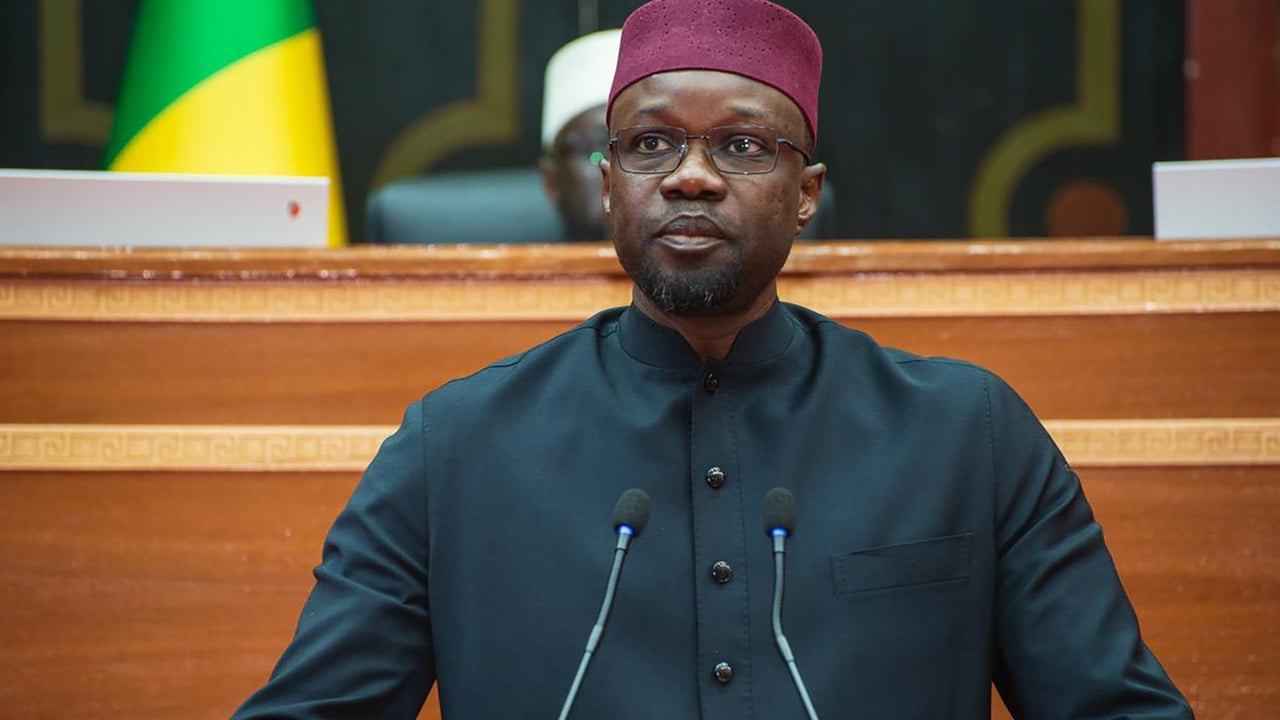

At the heart of Dakar’s political landscape, Ousmane Sonko is making final preparations to consolidate his influence within the Pastef movement. The opposition leader’s upcoming maneuvers signal not just a political shift, but a bold assertion of his vision for Senegal’s future.
From opposition to ascendancy: Sonko’s calculated rise
Ousmane Sonko’s trajectory in Senegalese politics reflects a masterclass in strategic positioning. Since emerging as a vocal critic of the establishment, he has transformed his initial defiance into a formidable platform for change. His party, Pastef, now stands on the brink of a defining moment—one that could reshape the nation’s governance.
With a reputation for fearless advocacy and grassroots support, Sonko has cultivated a following that transcends conventional party lines. His ability to mobilize citizens stems from a promise to dismantle entrenched corruption and prioritize public welfare. As he prepares to take the helm of Pastef, the stage is set for a dramatic showdown with the status quo.
Symbolic gestures ahead of the decisive step
The National Assembly’s hallways, where Sonko once clashed with opponents, now serve as a backdrop for his consolidation of power. His recent appearances there have been deliberate—each speech, each interaction, a calculated step toward solidifying his authority. Observers note that his every move is designed to project strength and unity within his ranks.
Insiders report that Sonko’s inner circle has been working tirelessly behind the scenes, ensuring that the transition to his leadership will be seamless. From policy blueprints to coalition-building, no stone is left unturned in this high-stakes game of political chess.
Pastef’s future: a new chapter or a gamble?
The Pastef movement faces a watershed moment. Under Sonko’s stewardship, the party could either emerge as the vanguard of reform or fracture under the weight of internal divisions. His leadership style, characterized by bold rhetoric and uncompromising stands, has won admirers but also alienated critics.
With Senegal’s political climate more volatile than ever, Sonko’s next moves will be watched closely. Will he deliver on his promises, or will the weight of expectations prove too heavy? One thing is certain: his ascent is not merely symbolic—it is a seismic shift in the country’s democratic fabric.
As the countdown to his official takeover begins, Senegal stands at a crossroads. The outcome of this power transition will echo far beyond the halls of the National Assembly, leaving an indelible mark on the nation’s political destiny.