
Ousmane sonko’s rise to power in Senegal’s pastef party
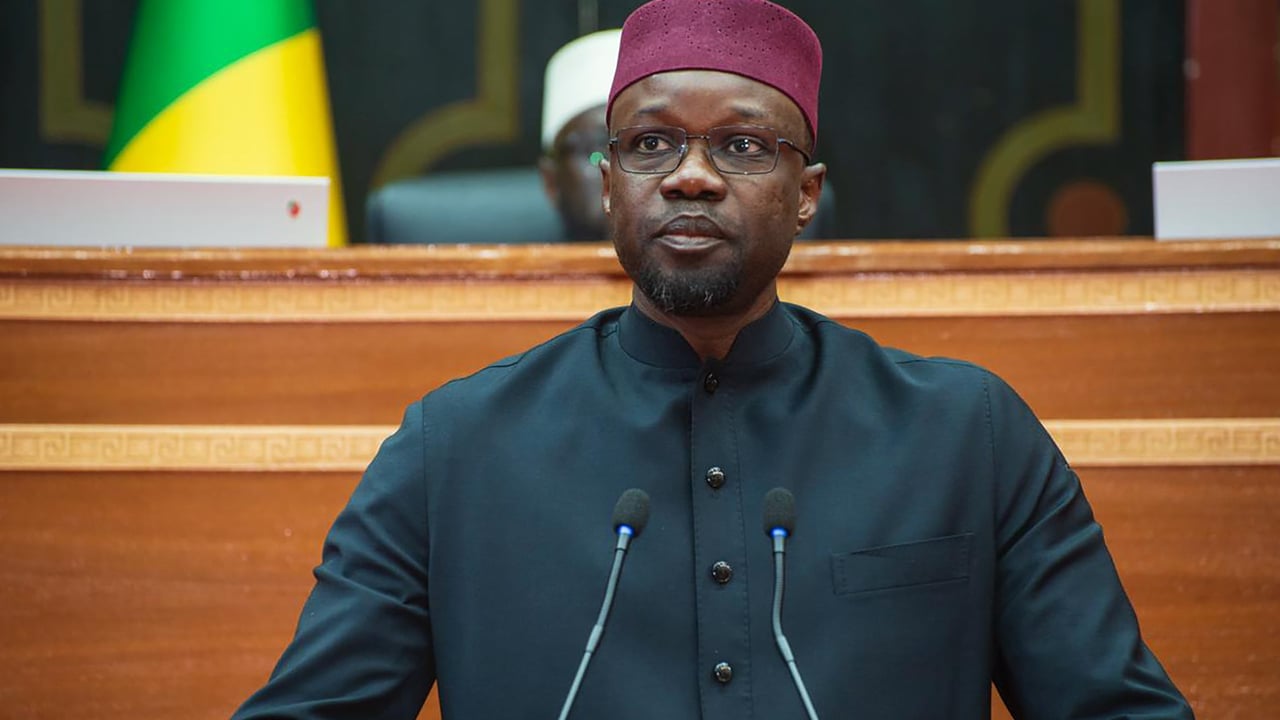

Ousmane Sonko stands at a pivotal moment in Senegal’s political landscape as he gears up to consolidate his leadership of the Pastef movement. The opposition figure’s upcoming congress promises to be a defining moment, signaling a potential shift in the country’s power dynamics.
From opposition to ascension: Sonko’s strategic moves
Since his emergence on the political scene, Ousmane Sonko has carved out a reputation as a bold and uncompromising voice for change. His party, Pastef, has grown from a grassroots movement into a formidable force capable of challenging established political structures. Now, with his sights set on leading the party to new heights, Sonko is preparing for a bold demonstration of strength at the upcoming congress.
The event is expected to draw thousands of supporters, eager to rally behind their leader as he outlines his vision for Pastef’s future. Sonko’s message is clear: a commitment to reform, transparency, and a break from decades of political stagnation in Senegal.
What to expect at the Pastef congress
The congress will serve as a platform for Sonko to reinforce his authority within the party and rally support for his agenda. Key discussions will likely focus on:
- Party governance and future direction: Sonko is expected to present a roadmap for Pastef’s evolution, emphasizing grassroots engagement and policy innovation.
- Youth mobilization: With a significant portion of Senegal’s population under 35, Sonko’s ability to energize young voters will be critical in shaping the party’s trajectory.
- Alliances and opposition strategies: The congress may also address potential collaborations with other political forces to challenge the ruling establishment.
Observers note that Sonko’s approach blends populist rhetoric with concrete policy proposals, a combination that has resonated with a broad segment of the electorate. His emphasis on economic justice and anti-corruption aligns with the aspirations of many Senegalese citizens.
Implications for Senegal’s political future
The outcome of this congress could have far-reaching consequences for Senegal’s political landscape. Pastef’s growing influence signals a potential realignment of power, with Sonko positioning himself as a central figure in the country’s democratic process.
As Sonko prepares to take the helm of Pastef, the event will also test his leadership style—whether he leans toward a more inclusive approach or doubles down on his confrontational stance against the political establishment. The coming weeks will reveal how these dynamics play out on the national stage.
For now, one thing is certain: Ousmane Sonko’s rise within Pastef is not just a personal triumph but a reflection of broader societal shifts in Senegal. The congress will be a litmus test for his ability to translate grassroots support into lasting political change.