

Updated today at 2:00 PM Reading time: 3 minutes.
Escalating tensions over national heritage management
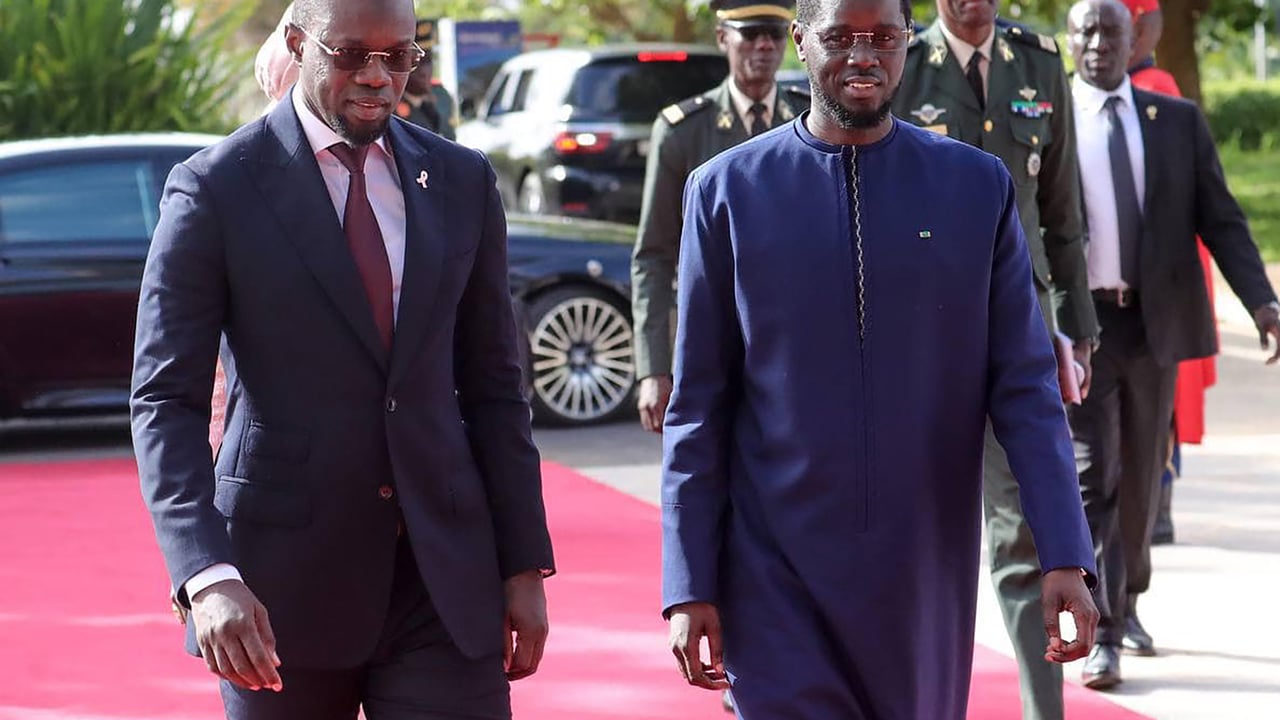
Senegal is witnessing a fresh wave of political friction as President Bassirou Diomaye Faye and Prime Minister Ousmane Sonko lock horns over the stewardship of the country’s cultural and historical assets. The disagreement, which has simmered beneath the surface for months, has now surfaced as a public dispute, raising questions about governance and institutional authority in the West African nation.
At the heart of the matter lies the administrative control of key cultural institutions, including museums and heritage sites. While the presidency insists on maintaining oversight of these entities, the prime minister’s office argues that decentralization and greater local governance should take precedence. This tug-of-war reflects deeper ideological divides within the ruling coalition, where views on state centralization and regional autonomy clash.
Legal and political ramifications
The dispute has already triggered a series of legal challenges. Cultural organizations have filed appeals challenging the legality of recent presidential decrees that reassign certain heritage management responsibilities to the presidency. Meanwhile, Sonko’s cabinet has accused Faye’s administration of overreach, arguing that such moves undermine the prime minister’s constitutional mandate to oversee national development plans—including those tied to cultural preservation.
Legal experts warn that the standoff could paralyze key projects, particularly those aimed at renovating historic landmarks in cities like Saint-Louis and Gorée Island. These efforts, long touted as priorities for national pride and tourism, now face uncertainty due to the institutional gridlock.
Public reaction and media scrutiny
The power struggle has not gone unnoticed by the Senegalese public. Social media platforms are abuzz with debates over who truly represents the will of the people—whether the president, elected by universal suffrage, or the prime minister, appointed to implement the government’s agenda. Analysts note that public sentiment is increasingly polarized, with some praising Faye’s push for stronger centralized leadership and others backing Sonko’s call for more inclusive, community-driven heritage policies.
Local media outlets have amplified the controversy, with editorials questioning the long-term implications for Senegal’s democratic institutions. The debate has also drawn comparisons to past conflicts between presidents and prime ministers in the region, underscoring a recurring theme in African governance dynamics.
What’s next for Senegal’s heritage governance?
The outcome of this confrontation could reshape Senegal’s approach to cultural stewardship for years to come. Should the presidency prevail, the country may see a consolidation of power in the executive branch, potentially accelerating flagship projects. However, if Sonko’s faction gains the upper hand, a more decentralized model—one that empowers local authorities—could emerge, reshaping the nation’s identity narrative.
For now, both leaders remain tight-lipped about potential compromises. Yet behind closed doors, negotiations are reportedly underway to find a middle ground. The stakes are high: Senegal’s cultural heritage is not just a matter of national pride—it is a cornerstone of its economy and global standing.
As the standoff continues, one thing is clear: the resolution of this dispute will set a precedent for how the nation balances unity and diversity in its quest to preserve its past while building its future.