Senegal’s political shifts amid middle east turmoil and 2026 world cup buzz
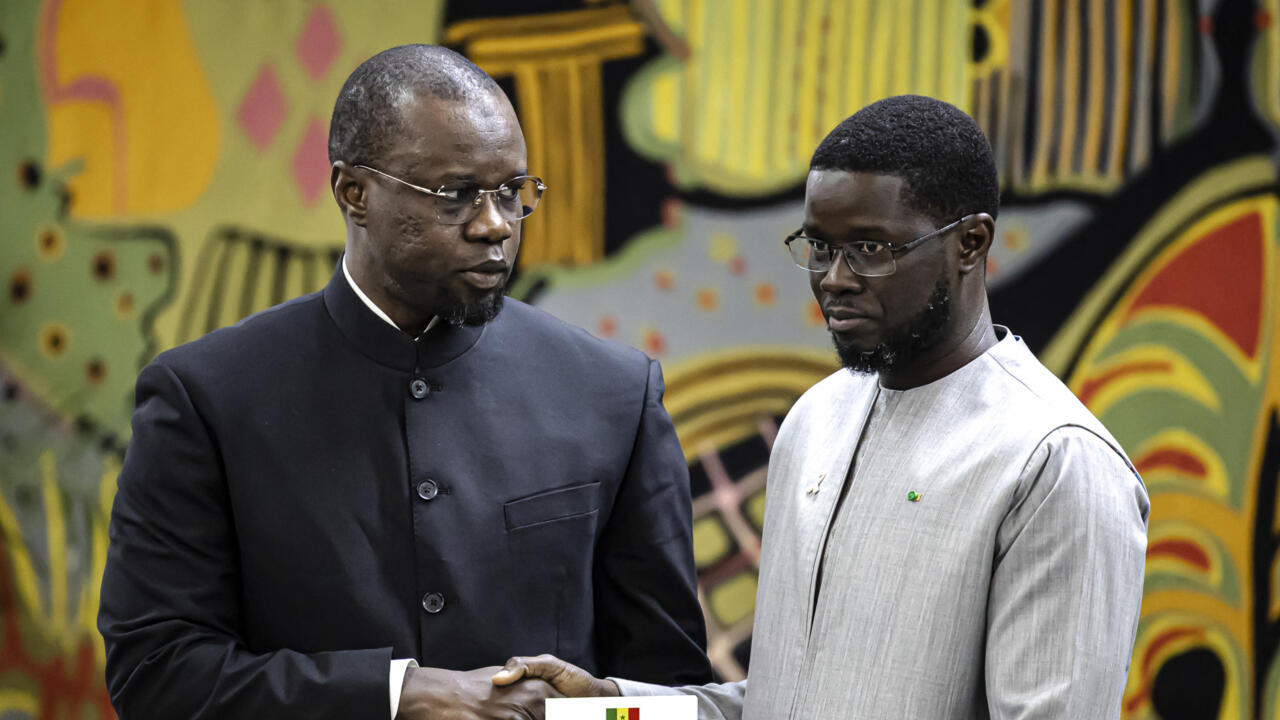
In Dakar, the political landscape of Senegal is evolving rapidly. President Bassirou Diomaye Faye’s administration is navigating uncharted waters following the establishment of a new presidential party and the Constitutional Council’s decision to invalidate a constitutional reform pushed by the parliamentary majority led by Ousmane Sonko’s Pastef. The move has sparked intense debate about the government’s next steps and its ability to unite a divided nation.
The ruling party’s strategy aims to consolidate support ahead of critical decisions, but will it succeed in bridging the gap with opposition factions and swaying public opinion? The coming months will be decisive in shaping Senegal’s political trajectory.

regional tensions and global stakes
Meanwhile, the Middle East remains a powder keg as Iran’s escalating tensions with Western powers show no signs of easing. Recent military exchanges have led to Washington’s blunt declaration that the ceasefire is effectively over. With Donald Trump dismissing negotiations with Tehran as a “waste of time,” the specter of further military intervention looms large. Could this push the region into another full-blown conflict?
As global powers grapple with these crises, African voices are playing a pivotal role in dissecting the implications. Each week, a panel of African analysts and journalists dissects pressing issues on the continent and beyond, offering insights on how these developments impact Africa’s future.
voices of africa
This week’s discussion features:
- Wuldath Mama – Beninese journalist and global affairs specialist
- Eric Topona – Chadian correspondent for Deutsche Welle’s Francophone Africa desk
- François Hiondi Nkam – Veteran Cameroonian reporter and Economics Editor for *Le Jour*
Together, they provide a unique perspective on the intersection of African politics, Middle Eastern conflicts, and the road to the 2026 World Cup, which is set to be co-hosted by Senegal and other nations.