Simporé’s TV admission sparks backlash: Burkina Faso questions the war narrative
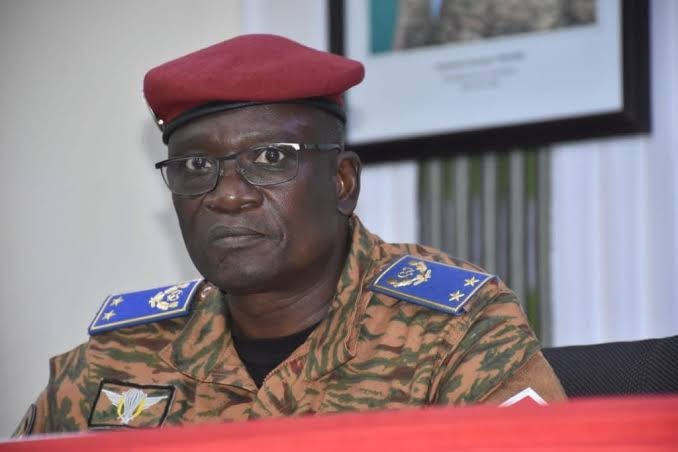
When General Célestin Simporé, Burkina Faso’s Minister of Defence, appeared on national television to praise Captain Ibrahim Traoré’s security record, he offered a familiar defence: the army had historically been “poorly trained.” The remark, broadcast on the state channel, was meant to explain the current stalemate. Instead, it has ignited a fierce public debate and left many wondering what comes next.
Why the admission struck a nerve
The general’s words did not land in a vacuum. For years, the transitional government has promised a rebuilt, better-equipped military. Yet the security situation has worsened, not improved. By blaming past training, Simporé appeared to shift responsibility away from the current leadership. That framing has not convinced a public exhausted by daily reports of attacks and territorial losses.
A historical claim that raises more questions
Simporé insisted that before the transition, the armed forces lacked tactical instruction and operational readiness. But many citizens remember a different reality. Under previous governments, despite chronic underfunding and structural weaknesses, the military managed to hold provincial capitals and maintain coherent defence lines. Today, with more than 30 new battalions created and military training declared a priority, state control has collapsed across more than 65% of the country.
The fallout from a failed training model
The shift to Russian-style instruction, delivered by Africa Corps personnel, was supposed to transform the army. Instead, it has produced a sharp rise in battlefield fatalities. The new units, rushed through abbreviated programmes, have suffered devastating losses from Mansila to recent setbacks in the Centre-Nord region. The doctrine’s emphasis on frontal assault and indiscriminate firepower has proven ineffective against mobile terrorist groups that operate in small motorcycle columns and deploy improvised explosive devices. Worse, the abandonment of contact intelligence and military ethics has alienated rural populations, cutting soldiers off from the very information they need to counter infiltration.
An insult to those who served
Calling yesterday’s troops “poorly trained” dishonours the thousands of soldiers and gendarmes who died over the past decade. With scant resources and limited rations, they held the line against a growing threat without abandoning entire regions—unlike the “tactical evacuations” now presented as strategy, such as the recent pullback from Boussouma.
What happens next
Simporé’s televised admission has not silenced critics; it has amplified them. Two years after Captain Traoré seized full power, blaming past training looks less like an explanation and more like an admission of impotence. The debate now is not about yesterday’s weapons, but about a strategy that is crumbling under the weight of its own propaganda—and a public that is demanding answers.