Soaring poultry prices in ati Chad impact households and local trade
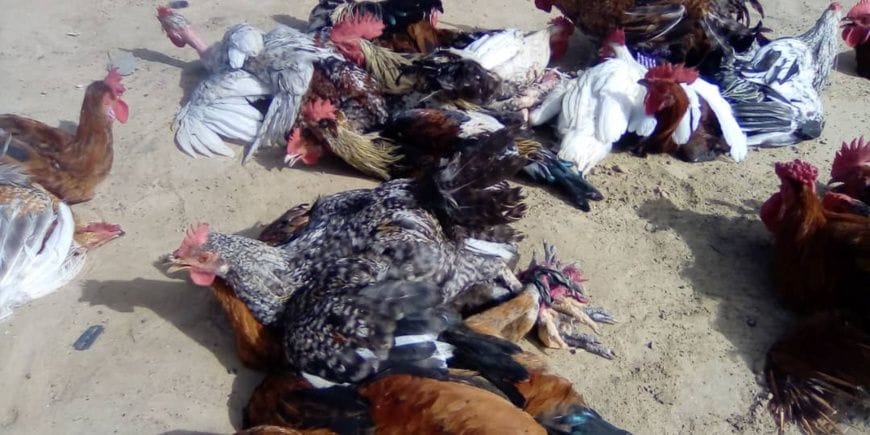
soaring poultry prices in ati Chad strain households and economy
The sharp rise in poultry prices in Ati, Chad, is putting immense pressure on households, traders, and farmers alike. This surge is not only disrupting local food security but also weakening the region’s economic fabric. As families and businesses navigate this challenging landscape, the call for urgent solutions grows louder.
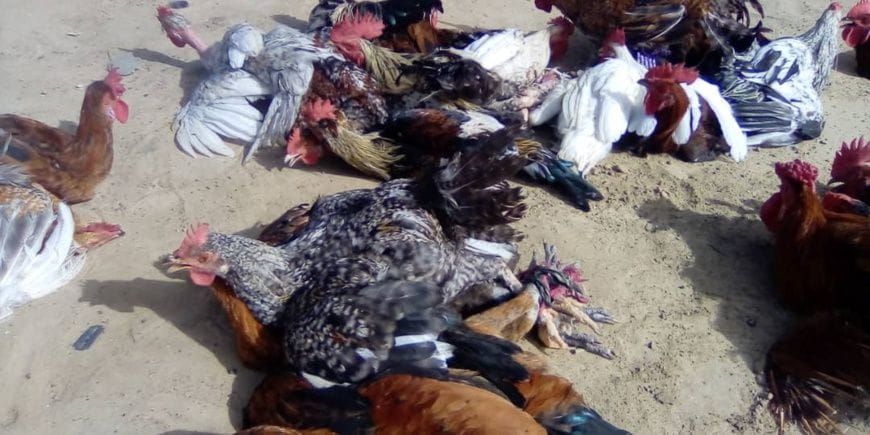
Households grapple with rising food costs
The escalating cost of poultry in Ati is forcing families to rethink their diets. Once a staple protein source, chicken and Guinea fowl now sit beyond the reach of many. Amina Mahamat, a mother of five, shares her struggle: “Earlier, we could afford a chicken every week for the children. Now, it’s become a luxury. We’re shifting to cheaper options.”
This shift is reshaping eating habits across the region. Poultry, a key protein for many households, is being replaced by less nutritious alternatives due to financial constraints. The impact on nutrition and food security is becoming increasingly evident as families adapt to rising costs.
Local traders face dwindling sales
For vendors at the central market, the price hikes haven’t translated into higher profits. Issa Hassan, a poultry seller for over a decade, explains: “Higher prices don’t mean more income. Customers are buying less, and some leave empty-handed.”
Restaurants and grilled meat vendors are also feeling the pinch. To stay afloat, many are either raising meal prices or reducing portion sizes, risking a further decline in customer traffic. The slowdown in trade is rippling through the local economy, affecting transporters, feed suppliers, and small-scale businesses tied to the poultry sector.
Farmers bear the burden of rising production costs
Behind the scenes, poultry farmers are struggling with soaring operational expenses. Abakar Abdoulaye, a local farmer, highlights the challenges: “Feed, veterinary supplies, and transport costs keep climbing. Add to that water shortages and pasture scarcity, and the situation becomes unsustainable.”
Disease outbreaks further exacerbate the problem, sometimes wiping out entire flocks. Farmers are forced to hike their prices to cover costs, but profits remain slim. The squeeze on their margins threatens the sustainability of the poultry industry in the region.
Economic ripple effects across the region
The poultry price surge is more than a food crisis—it’s an economic one. Markets in Ati are reporting a 20-30% drop in poultry sales compared to last year, though official data is still pending. The slowdown is felt across the supply chain, from feed distributors to transport workers, leaving many scrambling to adapt.
Economists warn that declining consumption weakens the entire economic chain, from household incomes to small business revenues. The situation underscores the fragility of local economies when staple food prices spiral out of control.
Urgent measures to stabilize the market
In response to the crisis, local stakeholders are urging authorities and development partners to intervene. Proposed solutions include:
- Subsidized access to affordable poultry feed;
- Strengthened veterinary services and vaccination campaigns;
- Financial support and technical training for small-scale farmers;
- Improved market infrastructure to reduce waste and spoilage.
These steps could help boost poultry supply, stabilize prices, and restore food security in the Batha region. Without action, the crisis risks deepening poverty and undermining economic progress.
A growing call for action
The poultry price surge in Ati is a stark reminder of the broader challenges facing communities in Chad. As families prioritize essential spending, the need for stable food prices has never been more urgent. Without timely interventions, the region’s food security and economic stability could face long-term setbacks.