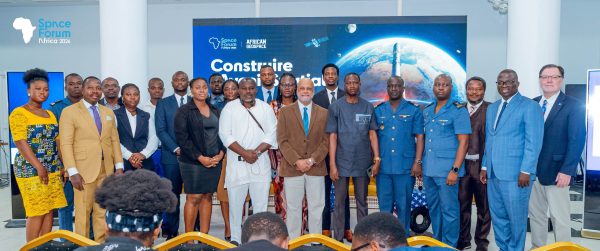
In Lomé, Space Forum Africa 2026 shifted perspectives. From July 28 to 30, policymakers, researchers, investors, and innovators delved into an understated truth: space technologies are no longer just about observing Earth from above. They now fuel agricultural productivity, disaster resilience, communication networks, and untapped economic opportunities.
For years, Africa’s space ambitions focused on distant goals—launching satellites, funding scientific programs, and training talent. Yet in Lomé, the conversation pivoted. The question wasn’t whether Africa could reach space, but how space could propel Africa forward.
ADVERTISING
With this vision, the U.S. Embassy in Lomé supported Space Forum Africa 2026, a three-day gathering of space sector leaders. Their shared mission? Turning orbital sciences into practical solutions for the continent’s most pressing challenges.
From orbit to field: leveraging satellite data for ground-level decisions
The forum’s standout insight: space isn’t just about scientific prestige or futuristic dreams. Satellite data now powers everyday sectors—farming, climate tracking, disaster forecasting, and connectivity. For African economies grappling with climate shifts and data gaps, these tools offer critical decision-making support.
This shift also creates fresh opportunities for homegrown tech ventures. As spatial data becomes more actionable, African startups can develop localized solutions, carving out high-value niches in the global market.
Jim Adams and the NASA legacy shaping Africa’s space future
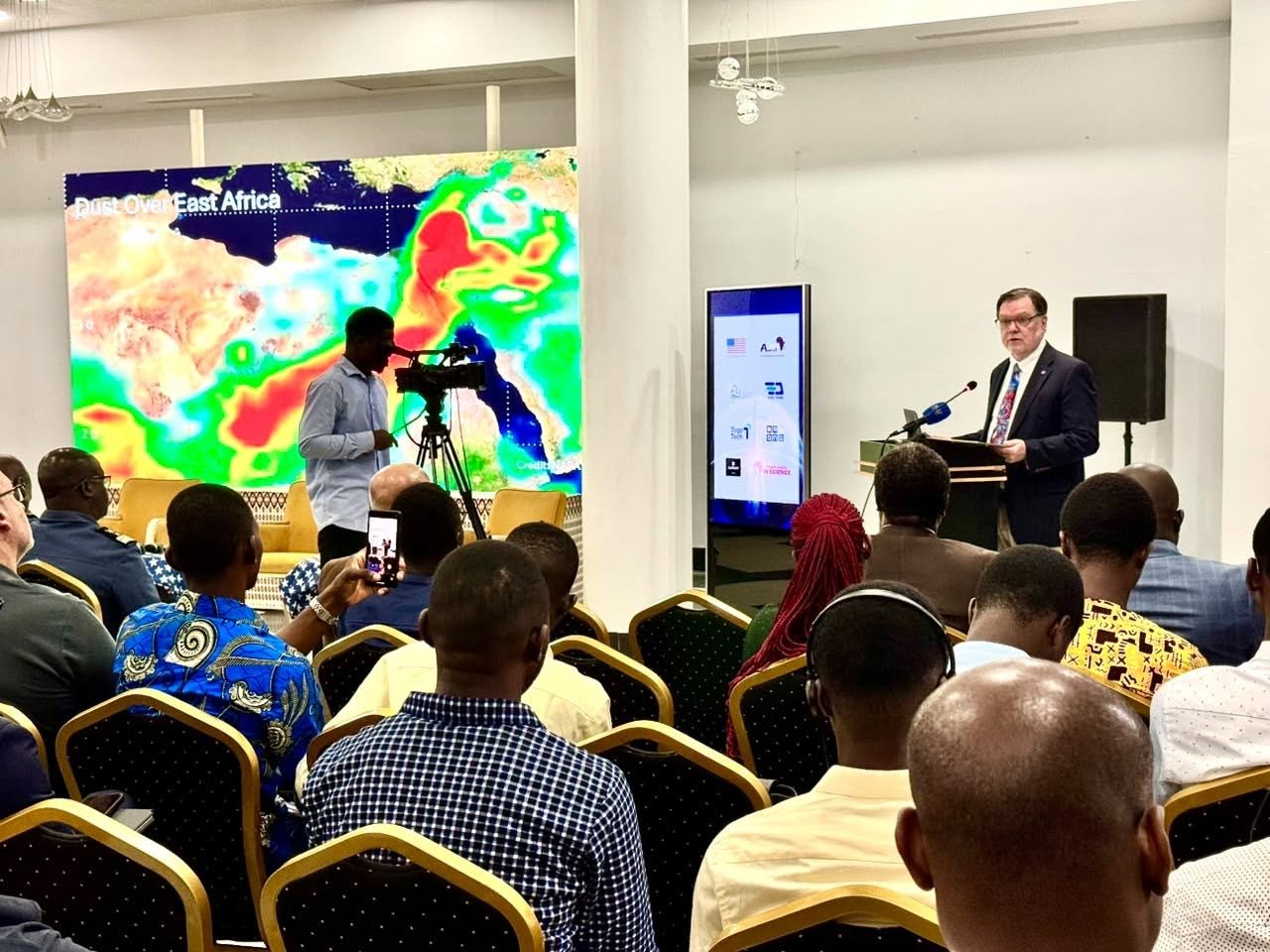
To ground these ideas, the U.S. Embassy invited Jim Adams, a NASA veteran with over 40 years in space exploration and satellite technology. His address highlighted how space capabilities intersect with agriculture, climate resilience, communications, and disaster response—while posing a bigger question: Who will build tomorrow’s technologies, and who will own their economic benefits?
Trade diplomacy and partnerships: bridging African startups with U.S. innovators
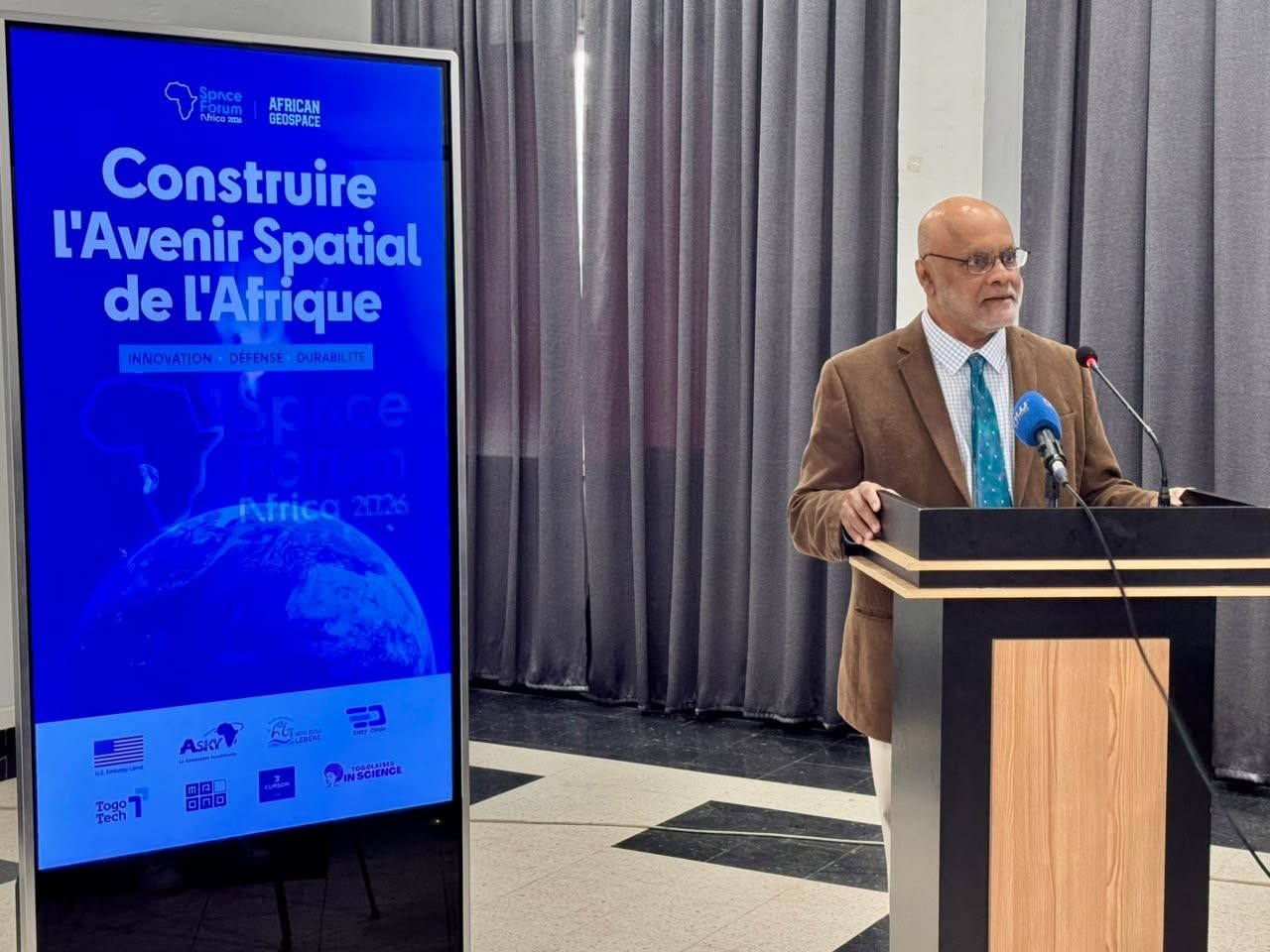
Africa’s space economy won’t thrive on infrastructure alone—it demands bridges between innovators. That’s where U.S.-African collaboration shines. The forum fostered connections between African institutions, tech pioneers, and American space firms, moving beyond mere science to commerce, knowledge transfer, and market creation.
For African entrepreneurs, the challenge is clear: avoid being passive consumers of foreign tech. For global partners, the opportunity lies in discovering local talent, unmet needs, and fresh demand. The goal? A two-way street where Africa shapes—and benefits from—the next generation of space solutions.
Space as an invisible backbone for economic resilience
This evolution redefines Africa’s space narrative. A satellite can optimize crop yields. Climate data can predict disasters. Communication tech can connect remote regions. Orbital insights can guide crisis responses. Space, once a symbol of distant ambition, is now an invisible infrastructure with tangible earthly impacts.
Space Forum Africa 2026 in Lomé championed this shift: moving space tech from scientific fascination to economic and social utility. The message? Africa’s future is not just under its feet—it’s written in the stars.
Washington and Lomé: expanding the frontiers of peaceful space innovation
The U.S. Embassy’s backing of the forum aligns with a broader mission: fostering peaceful, responsible space use. As the U.S. marks 250 years of innovation, its partnership with Lomé underscores a commitment to equitable technological progress.
The next chapter of Africa’s space journey may not hinge on rocket launches, but on transforming satellite data into viable businesses, research into marketable products, and cooperation into sustainable growth. In Lomé, the sky wasn’t just observed—it was reimagined as a launchpad for Africa’s development.