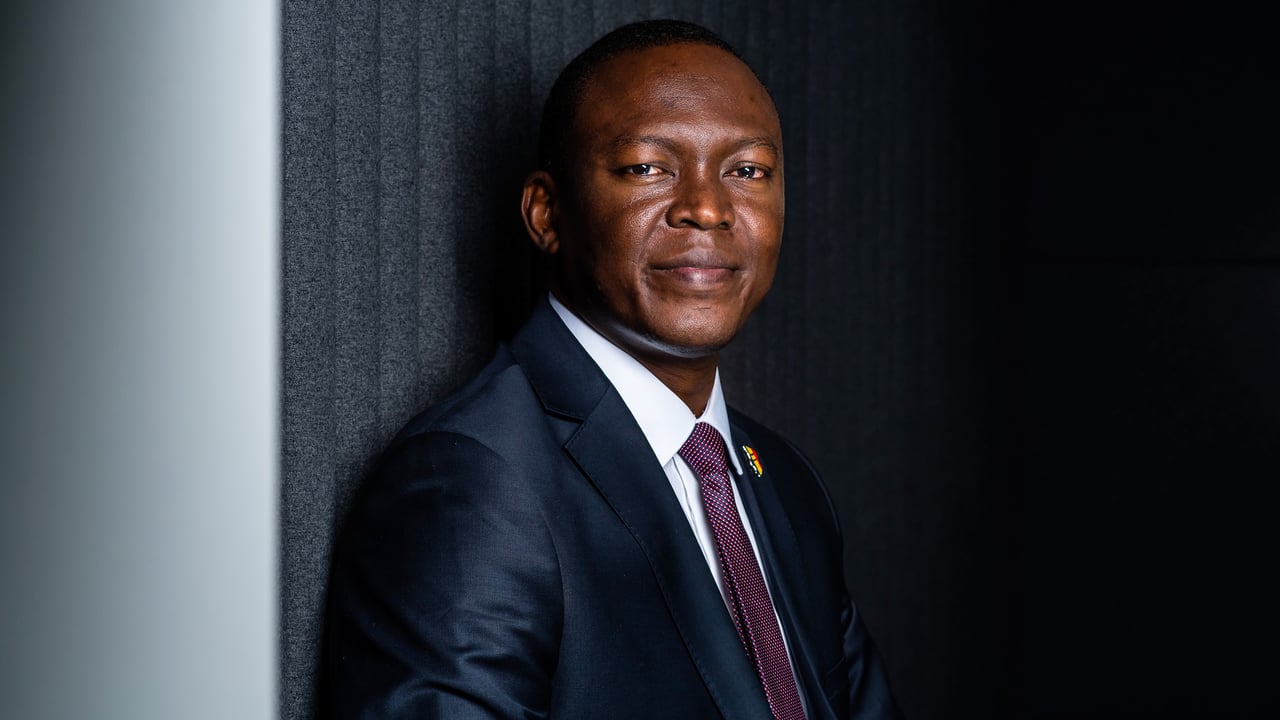


A historic decision has sent ripples through Chad’s political landscape, as the transitional authorities under Mahamat Idriss Déby Itno granted a full pardon to opposition leader Succès Masra. This move, announced amid growing calls for national reconciliation, marks a potential turning point in the young leader’s tumultuous journey between exile and domestic politics.
From Exile Back to the Political Forefront
Succès Masra, whose activism once forced him into years of asylum abroad, now finds himself at the center of Chad’s unfolding political narrative. His recent return—facilitated by this unexpected clemency—has fueled speculation about a possible thaw in relations between the ruling authorities and the opposition. Observers are closely watching to see whether this gesture will translate into broader engagement on national issues or remain a symbolic gesture.
A Gesture with Far-Reaching Implications
The pardon comes after months of heightened tensions, during which Masra had emerged as a vocal critic of the transitional government. His release, secured through a formal decree, not only ends his legal ordeal but also raises questions about the government’s long-term strategy for political inclusion. Will this be the first step toward a more open dialogue, or is it merely a tactical move to ease international pressure?
Analysts suggest that the timing of the pardon—amid regional instability—could signal a deliberate effort to stabilize Chad’s internal dynamics before deeper challenges arise. The move has already drawn praise from some quarters, while others remain cautious, emphasizing the need for tangible follow-up actions.
Reactions from Civil Society and Political Circles
Civil society organizations have hailed the decision as a positive sign, though many insist that real change will require more than just symbolic gestures. Political analysts, meanwhile, highlight the delicate balance the transitional government must maintain between asserting authority and fostering inclusivity.
Within opposition circles, opinions are divided. Some view the pardon as a rare opportunity to re-engage constructively, while skeptics argue that past promises of reform have often fallen short in practice.
What Lies Ahead for Chad’s Political Future?
The implications of this decision extend beyond Masra’s personal freedom. It could redefine the relationship between the state and its critics, setting a precedent for how dissent is managed in Chad’s evolving governance model. For now, the nation watches as the dust begins to settle—eager to see whether this moment will indeed herald a new chapter, as some hope, or merely a temporary pause in an ongoing struggle.