
Tchad: Mahamat Idriss Déby’s pardon announcement sparks political thaw debate
On the 66th anniversary of Chad’s independence, President Mahamat Idriss Déby Itno declared his intention to exercise his clemency power in favor of multiple convicted individuals. While the identities of the beneficiaries remain undisclosed, the announcement has heightened anticipation regarding the fate of several opposition figures, including former Prime Minister Succès Masra.
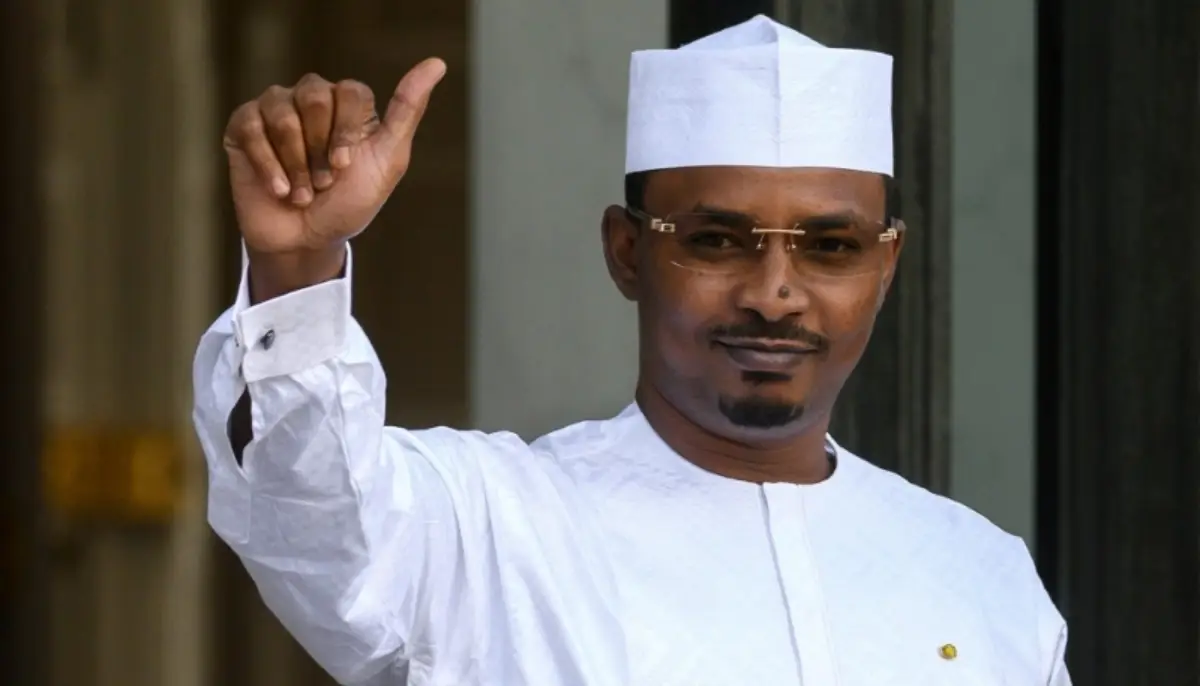
The presidential address, delivered during the national independence celebrations, emphasized national unity and reconciliation. The actual impact of this declaration will hinge on the upcoming decree, which will specify the identities of the beneficiaries and the terms of sentence reduction or remission.
Uncertainty is particularly fueling speculation about detained opposition figures. For months, various political formations have called for gestures of political easing, especially since the establishment of the Coalition to Save Democracy in Chad (COSADT) in January 2026. The coalition has demanded a political dialogue and the release of individuals it considers to be political prisoners.
Succès Masra: the pivotal figure in the clemency debate
At the forefront of discussions is Succès Masra, former Prime Minister and leader of the Les Transformateurs party. In August 2025, he was sentenced to 20 years in prison for his alleged role in intercommunal violence. The court found him guilty of spreading hate speech and inciting murder.
His appeal was rejected by the Supreme Court on May 21, 2026, finalizing his conviction in Chad’s judicial system. This legal milestone paves the way for a potential presidential pardon, a prospect frequently discussed in recent months. However, The Transformers party has consistently advocated for an amnesty instead, arguing that it would offer a more comprehensive political resolution.
The distinction is significant. A presidential pardon primarily affects the execution of a sentence, reducing or terminating it without erasing the conviction. An amnesty, on the other hand, addresses the legal consequences of the acts in question and can carry greater political weight.
For Succès Masra, the choice between the two mechanisms could shape his future in politics. A pardon would provide immediate relief, while an amnesty could facilitate his reintegration into the political arena. As of now, there is no confirmation that he is among those targeted by the presidential announcement.
Broader implications: other opposition figures await clemency
The focus is not solely on Succès Masra. The COSADT and other opposition groups have intensified calls since the beginning of the year for the release of imprisoned leaders and activists, as well as the initiation of a dialogue with the government.
The coalition contends that the political climate has deteriorated and urges measures to restore trust between authorities and opposition forces. These claims are contested by the government, which highlights institutional stability and adherence to judicial procedures.
The context is further complicated by Chad’s July 27, 2026, announcement to withdraw from the Rome Statute of the International Criminal Court (ICC). The withdrawal will take effect one year after notification, in line with ICC rules. Opposition appeals are not necessarily about an immediate return to the Court but rather about abandoning or reconsidering this withdrawal process.
The upcoming presidential decree will reveal whether the announced clemency is a traditional national celebration gesture or a politically charged decision with broader implications. If Succès Masra or other opposition leaders are included among the beneficiaries, it could mark one of the most significant acts of political easing since the end of Chad’s political transition.