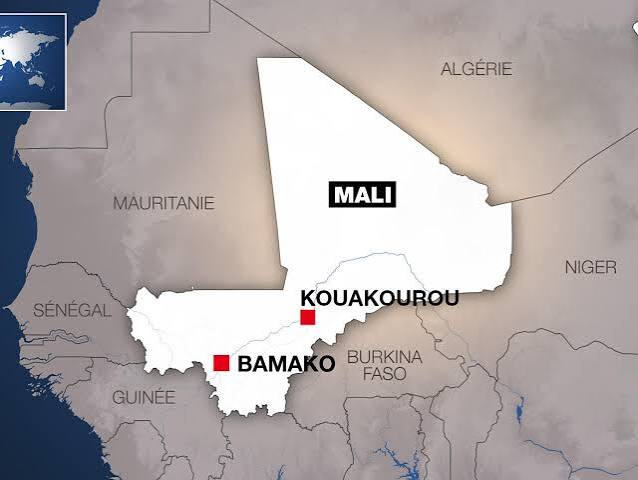
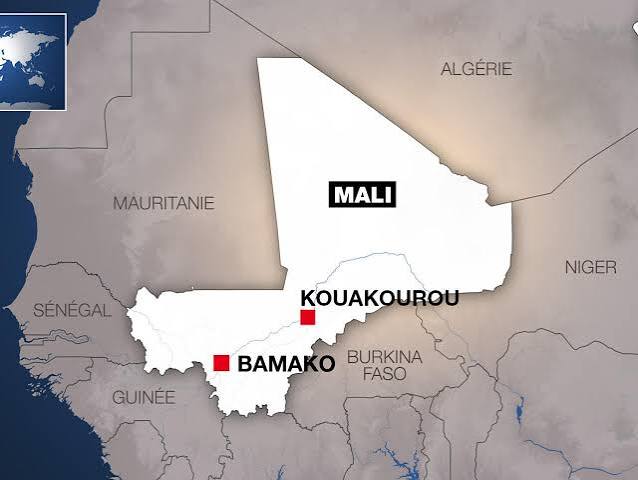
Two weeks have passed since thousands of residents were forced to abandon their homes in Kouakourou, central Mali, and their ordeal continues amidst dire conditions. These communities were driven out following a stark ultimatum issued by fighters from the Group for the Support of Islam and Muslims (JNIM), an Al-Qaïda affiliate, and are now struggling to forge a new existence far from everything they knew.
The jihadist group’s demand for the entire population to depart came swiftly after their capture of Kouakourou’s military camp. An estimated 5,000 individuals embarked on a desperate exodus, seeking refuge in nearby villages, or journeying further to towns like Djenné, Bamako, and Mopti. In Mopti alone, over 400 displaced people are currently housed in an emergency shelter set up within a local school by municipal authorities.
While food aid, generously provided by donors and the Mopti mayor’s office, offers some relief, the humanitarian situation remains extremely challenging. Classrooms have been repurposed as makeshift dormitories, and with space at a premium, many families are compelled to sleep in the school’s open courtyard. The recent onset of rains has only compounded their misery, forcing everyone to huddle indoors, exacerbating overcrowding.
Beyond the immediate physical hardships, these families grapple with the profound emotional impact of being forcibly separated from their homes and livelihoods. Numerous residents recount fleeing Kouakourou with little more than the clothes on their backs, their phones reportedly confiscated by the jihadist militants, severing vital connections to their past and future.
This mass displacement coincides critically with the agricultural season, jeopardizing essential harvests and threatening the long-term food security for countless families. For these displaced individuals, the dream of returning to Kouakourou remains a powerful, yet distant, hope, as the prevailing security landscape offers no immediate prospect of safe return.