Togo’s university of datcha gets first president as higher education expands
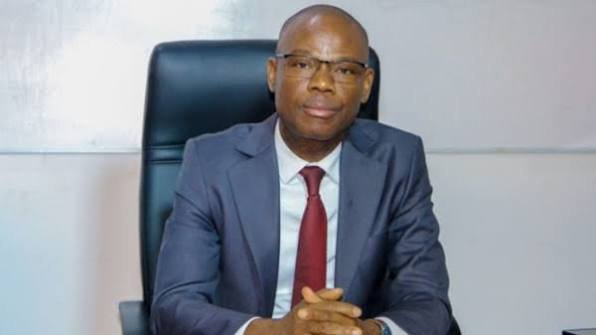
Togo has taken a significant step in reshaping its higher education landscape with the appointment of a new leadership team for the University of Datcha. The government officially named Professor Essohanam Batchana as the first president of the institution during a recent cabinet meeting. This strategic decision marks the beginning of a new era for the third public university in the country, situated in the Plateaux region.
Building a solid foundation with seasoned academics
Professor Batchana brings a wealth of experience to his new role. As a distinguished historian specializing in political history and international relations, he previously served as the Director of Academic Affairs and Registrar at the University of Lomé. His deep understanding of academic administration will be crucial in establishing the University of Datcha as a center of excellence.
The new president will be supported by Professor Kperkouma Walla, an expert in botany and plant ecology, who has been appointed as the first vice-president. Together, they will oversee the development of the university’s administrative, scientific, and pedagogical frameworks, ensuring a strong start for the institution.
Addressing educational challenges and fostering local growth
The creation of the University of Datcha, approved in September 2023, addresses two key priorities for Togo’s education sector:
- Relieving pressure on existing campuses: The university aims to ease the overcrowding issues at the public universities in Lomé and Kara, creating more opportunities for students across the country.
- Boosting regional development: By aligning its programs with the economic, social, and cultural needs of the Plateaux region, the university seeks to drive local growth and provide relevant, career-focused education.
The University of Datcha is designed to be forward-thinking, with a curriculum centered on cutting-edge technologies, applied sciences, and vocational training. This approach ensures graduates are well-prepared to meet the demands of the job market and contribute to the nation’s development.