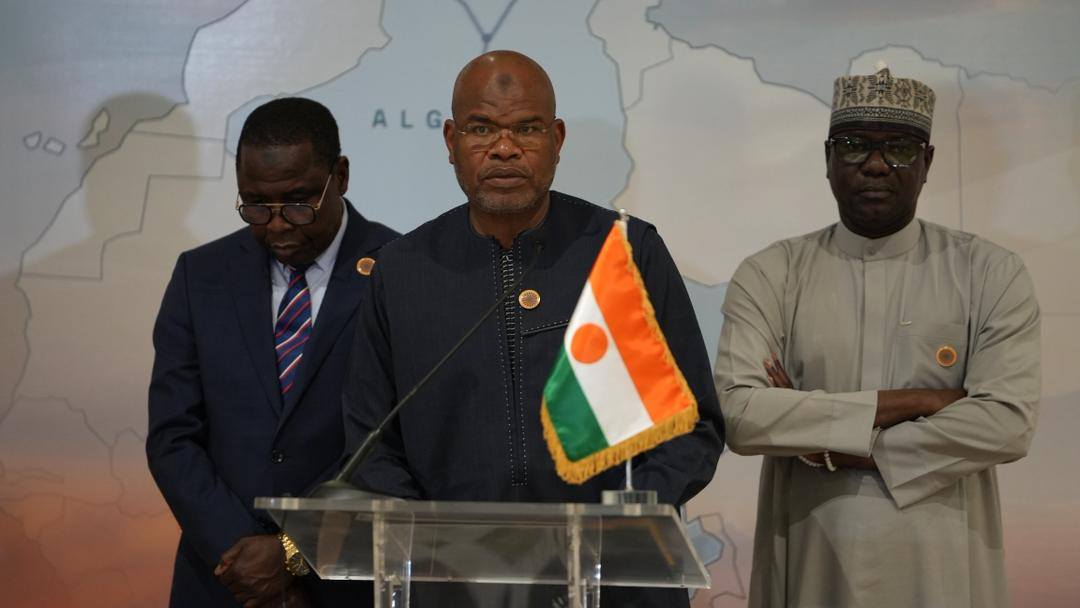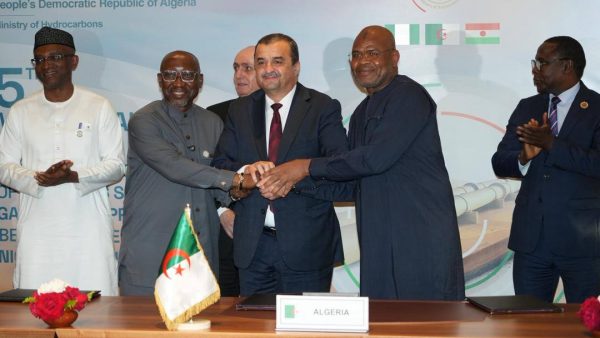
Algiers, June 4, 2026 — A long-awaited milestone has been achieved in the trans-Saharan gas pipeline (TSGP) project. On Wednesday, energy officials from Niger, Algeria, and Nigeria gathered in Algiers to approve the updated feasibility study for this ambitious cross-continental infrastructure, signaling a renewed commitment to accelerating its implementation.
From vision to reality: a pipeline crossing three nations
The TSGP, spanning approximately 4,128 kilometers, aims to transport Nigerian natural gas through Niger and into Algeria, eventually reaching European and global markets. For the three participating countries, this project stands as one of Africa’s most critical energy initiatives, promising to reshape the continent’s role in the global energy landscape.
A catalyst for economic growth across the Sahel
The newly validated feasibility study underscores the pipeline’s potential to drive economic transformation in the region. By facilitating gas exports, the project could unlock new revenue streams, create thousands of jobs, and stimulate infrastructure development in transit zones. Officials from all three countries emphasize that the TSGP will serve as a cornerstone for regional integration and sustainable growth.
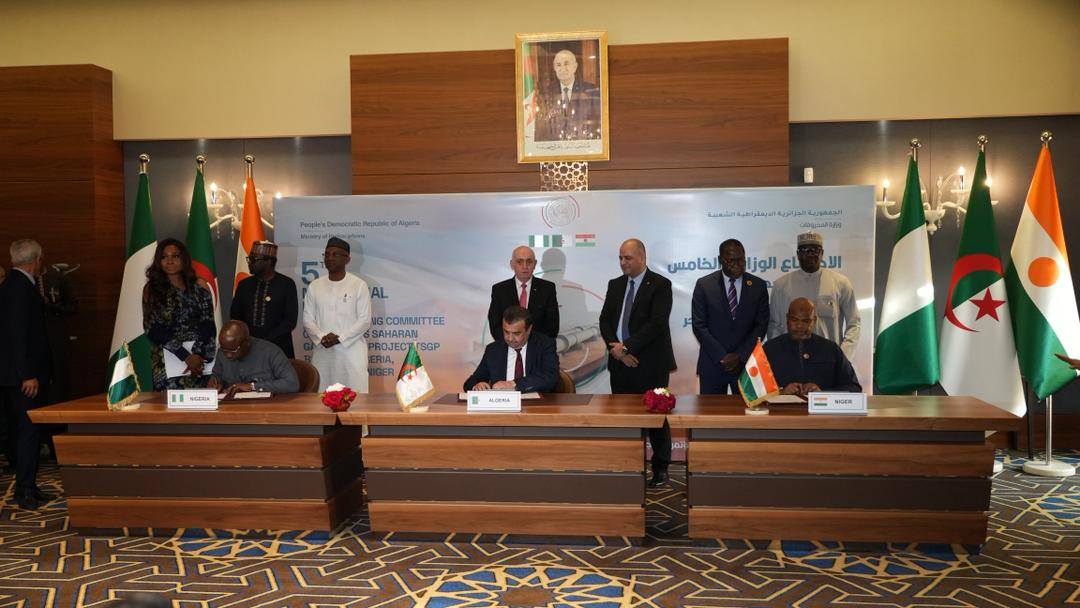
Strengthening regional cooperation for energy independence
Following the study’s approval, the three nations have intensified coordination between their national hydrocarbon companies to expedite project phases. This collaboration is vital for ensuring the pipeline’s financial and operational viability. Algeria has already taken concrete steps by initiating construction on its national section, reinforcing its position as a key European energy supplier.
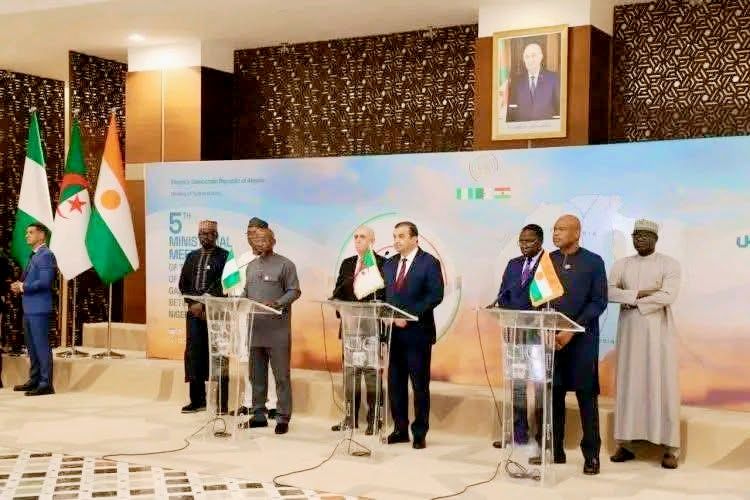
Niger’s strategic advantage in the TSGP
For Niger, positioned at the heart of the route, the pipeline represents a historic opportunity to bolster its geostrategic influence. Beyond transit revenues, the project could invigorate the nation’s energy sector, modernize infrastructure, and enhance regional connectivity. In a shifting economic landscape, Niamey views this partnership as a pathway to economic sovereignty and deeper regional integration.
The next critical phase will involve translating technical progress into tangible results. While experts highlight the TSGP’s transformative potential, its success hinges on sustained political will, cross-border collaboration, and strategic investments. Together, Algeria, Niger, and Nigeria can turn this visionary project into a cornerstone of Africa’s energy future.