
The World Health Organization (WHO) has raised the alarm over an unprecedented Ebola outbreak in the Democratic Republic of Congo (DRC), now ranked as the third-largest Ebola epidemic ever recorded. Speaking from Geneva, WHO Director-General Dr. Tedros Adhanom Ghebreyesus described the situation as critical, with transmission accelerating faster than in any previous outbreak affecting the country.
Two months after the DRC government declared the epidemic, 2,073 cases and 796 deaths have been reported. In stark contrast, the 2018-2019 Ebola outbreak in the DRC took over ten months to reach 2,000 confirmed cases. The situation is particularly dire in Ituri Province, where more than 80% of new cases are detected outside known contact lists, revealing undetected transmission chains.
challenges mount as insecurity disrupts response efforts
The WHO and partners, including the Africa Centres for Disease Control and Prevention (Africa CDC), are scaling up their response despite significant obstacles. Key achievements include:
- Expanded treatment capacity: Isolation beds now exceed 800, up from just a handful at the outbreak’s start.
- Improved laboratory diagnostics: Testing sites have grown from one to 16 facilities nationwide.
- Community engagement: Nearly 80% of contacts are being monitored, with over 21,000 community health workers in training.
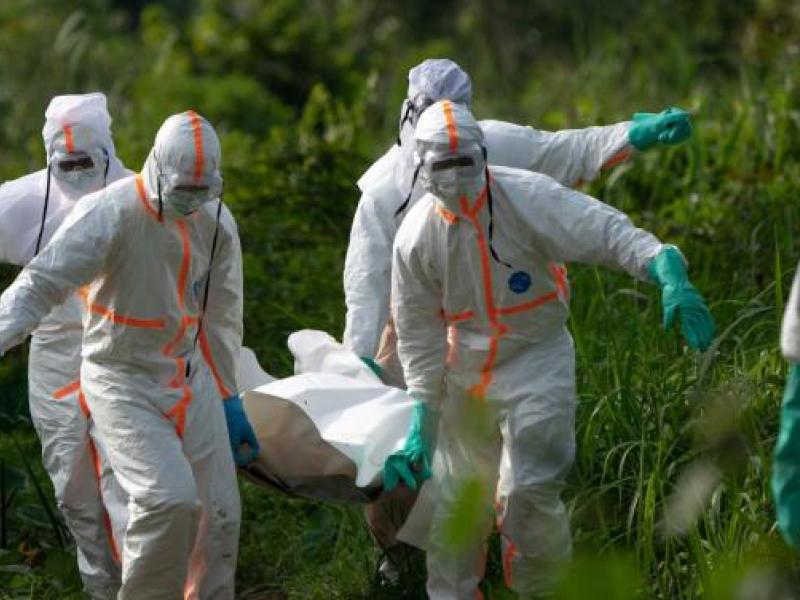
- Safe burial practices: Protocols for dignified burials have been widely adopted.
However, armed conflict continues to hamper access to affected zones. The recent attack on an Ebola treatment center in Bunia, Ituri’s capital, underscored the security risks facing both patients and healthcare workers. Dr. Tedros emphasized that “political intervention is essential to accelerate the response and protect vulnerable communities.”
scientific breakthroughs amid crisis
Despite the absence of licensed vaccines or treatments, progress is being made in clinical research. Two experimental therapies—monoclonal antibody MBP134 and antiviral remdesivir—are undergoing trials. Additionally, Oxford University has initiated the first safety trial of the ChAdOx1 vaccine, while the DRC’s National Institute for Biomedical Research launched a post-exposure prophylaxis study using obeldesivir.
To date, 377 recoveries have been recorded, demonstrating that early diagnosis and supportive care can save lives. Meanwhile, neighboring Uganda has made strides in containing its Ebola outbreak, with the last patient discharged and a 42-day countdown to declaring the epidemic over underway.
urgent priorities for containment
The WHO’s immediate priorities include:
- Strengthening surveillance: Identifying and isolating cases promptly to break transmission chains.
- Ensuring safe burials: Preventing post-mortem transmission through community-led burial teams.
- Enhancing clinical care: Providing high-quality treatment to improve survival rates.
- Community mobilization: Empowering local leaders to promote prevention measures.
- Scaling up response: Preparing provinces at risk to prevent further spread.
The DRC has managed 16 previous Ebola outbreaks, but the scale and speed of this surge, combined with ongoing insecurity, present unprecedented challenges. Authorities stress that while the situation is serious, coordinated international support and sustained political commitment are vital to overcoming it.