
After months of persistent calls, President Félix Tshisekedi has finally endorsed the launch of an inclusive national dialogue in the Democratic Republic of Congo. This decision follows a landmark meeting with religious leaders in Kinshasa, where he outlined the framework for this long-awaited initiative.
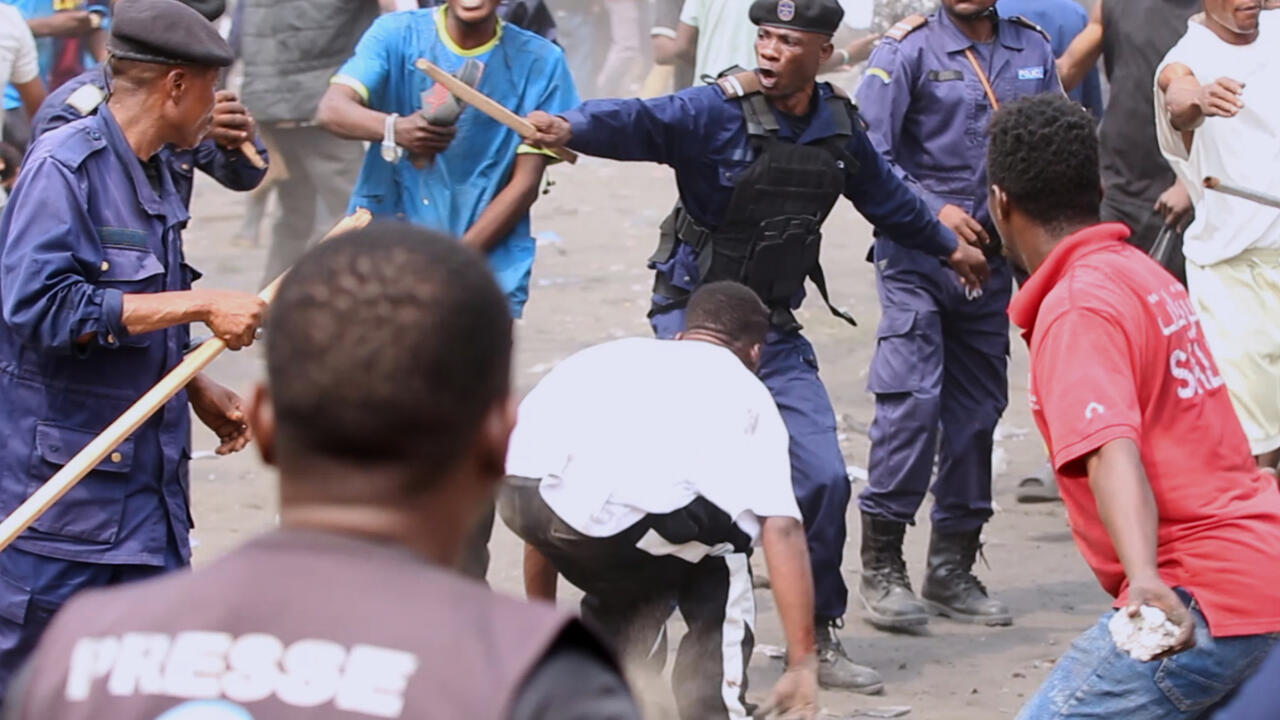
The move comes after the opposition coalition C64 suspended plans for a major protest scheduled for July 22. However, the coalition has set a firm deadline: President Tshisekedi must issue the official decree convening the dialogue by August 15. The opposition warns that failure to meet this timeline could reignite civil unrest.
what’s next for the inclusive national dialogue?
The president’s commitment remains a first step. To make this dialogue a reality, several key actions must follow:
- Official decree: The president must sign an executive order to formally launch the process.
- Appointment of facilitators: Neutral mediators will be chosen to guide discussions and ensure fairness.
- Mandate and timeline: Clear objectives and a structured schedule must be established to keep the dialogue on track.
- Participation framework: A transparent process for inviting stakeholders—including opposition groups, civil society, and religious leaders—will be critical.
why the sudden shift?
The president’s decision to engage in dialogue reflects mounting pressure from both domestic and international actors. With political tensions running high, Tshisekedi appears to recognize the need for a negotiated solution to address the country’s deepening challenges.
Religious leaders, who have played a pivotal role in mediation efforts, have emphasized the urgency of inclusive negotiations. Their involvement underscores the broad societal demand for stability and reform.
can the deadline be met?
The August 15 deadline poses a significant challenge. While the president’s willingness to act is encouraging, the logistical and political hurdles ahead are substantial. Opposition groups remain skeptical, citing past unfulfilled promises. The coming weeks will test whether this initiative can deliver tangible progress or further erode public trust.
As the situation evolves, all eyes will be on Kinshasa to see if President Tshisekedi can translate his commitment into action—before the opposition’s patience runs out.