

Russia’s growing footprint in the Sahel through air logistics
The Africa Corps Airline, an air transport network suspected of ferrying weapons and military personnel into the Sahel, is emerging as a critical tool in Russia’s expanding influence across West Africa. Recent aerial operations suggest a deliberate strategy to reinforce partnerships with the Alliance of Sahel States, bypassing traditional supply chains and diplomatic constraints.
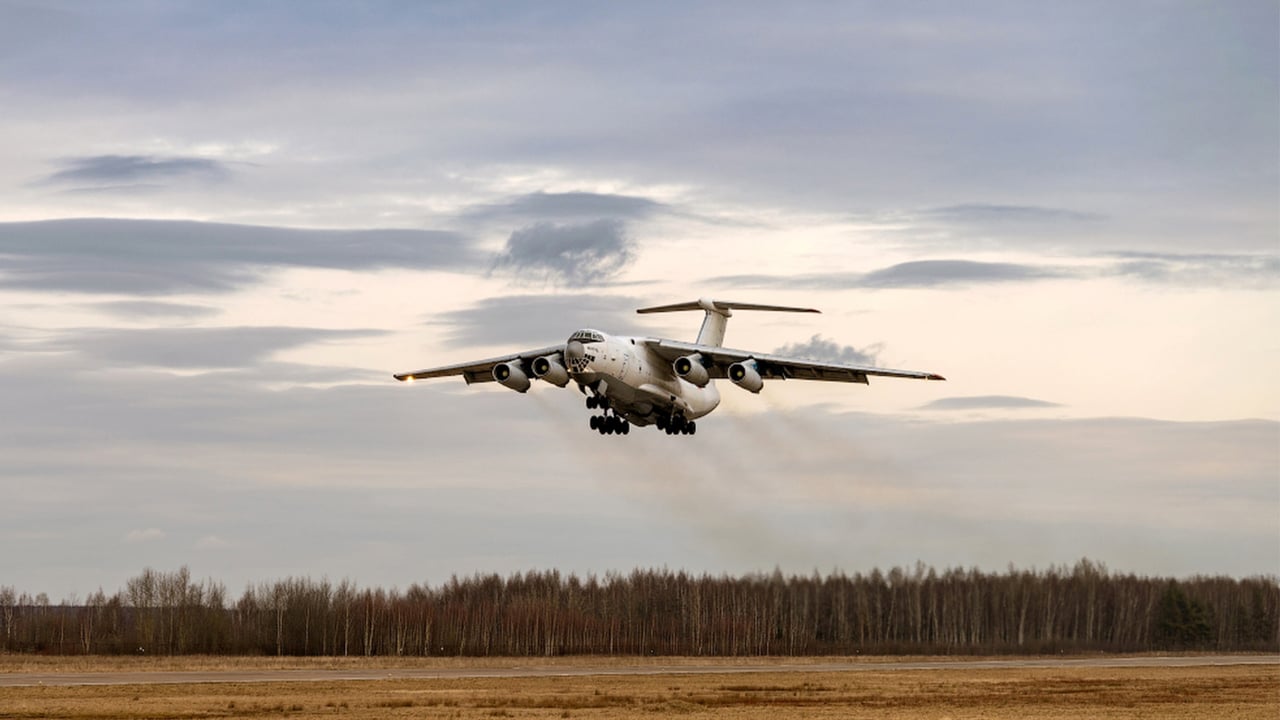
At the heart of this operation is Zitotrans, a Russian cargo airline whose fleet of IL-76 transport planes has become a familiar sight in the skies over Niger, Mali, and Burkina Faso. These aircraft, capable of carrying heavy cargo over long distances, are now a staple in the logistical backbone supporting Russia’s growing military presence in the region.
How Africa Corps leverages air transport for strategic gains
Military analysts tracking these flights report that the Africa Corps Airline operates under a civilian guise, providing plausible deniability for Moscow. The planes often depart from Russian airbases before landing at remote airstrips in the Sahel, where ground crews unload crates marked as “construction materials” or “humanitarian aid.” In reality, these consignments frequently contain small arms, ammunition, and technical equipment destined for allied armed groups.
The Alliance of Sahel States, formed in 2023 by Mali, Burkina Faso, and Niger, has openly embraced Russian support as Western powers reduce their engagement in the region. This shift has coincided with a surge in cargo flights attributed to Africa Corps, particularly in the aftermath of the juntas’ decisions to sever military ties with former colonial powers.
Sahel nations’ shifting alliances and their airlift implications
For the governments of Bamako, Ouagadougou, and Niamey, the Africa Corps Airline offers more than just logistical convenience—it symbolizes a break from decades of dependency. By relying on Russian air transport, these nations are not only securing military deliveries but also signaling a geopolitical realignment that challenges the status quo in the Sahel.
Yet, the air bridge raises concerns among regional observers. The unchecked movement of military hardware via civilian aircraft complicates efforts to monitor arms trafficking and could exacerbate instability in an already volatile region. Meanwhile, local populations remain largely unaware of the scale of these operations, as flights operate under restrictive security protocols.
Inside the Africa Corps Airline network
The operational model of the Africa Corps Airline relies on a mix of leased and state-owned aircraft, coordinated through a network of front companies and shell entities. While the fleet includes a variety of models, the IL-76 remains the workhorse, prized for its payload capacity and ability to land on unpaved runways—a necessity in the Sahel’s often rudimentary infrastructure.
Flight paths frequently follow indirect routes, with refueling stops in countries like Algeria or Sudan before reaching their final destinations. This circuitous approach helps evade scrutiny from international aviation authorities, though satellite tracking has begun to expose the true nature of these operations.
Key players in the operation
- Zitotrans: The primary civilian airline linked to Africa Corps, known for its opaque ownership structure and ties to Russian defense entities.
- Russian Ministry of Defense: Provides logistical support and coordinates the movement of personnel and equipment.
- Alliance of Sahel States: Recipient of the airlifted supplies, though officials deny direct involvement in the transport chain.
- Private security firms: Hired to manage ground operations at remote airstrips, ensuring discreet handling of sensitive cargo.
Impact on Sahel security dynamics
Analysts warn that the Africa Corps Airline is reshaping the security landscape in the Sahel. The influx of Russian-supplied weapons has emboldened allied militias, while simultaneously straining relations with neighboring countries like the Bénin and Côte d’Ivoire, which view the developments with growing unease.
The air bridge has also intensified competition among external actors vying for influence in the Sahel. With France and the United States scaling back their military footprints, Russia is positioning itself as the primary security partner for the region’s ruling juntas, further consolidating its geopolitical foothold.
What’s next for Africa Corps and the Sahel?
As the Africa Corps Airline continues to expand its operations, the long-term implications for the Sahel remain uncertain. On one hand, the airlift provides a lifeline for regimes facing internal and external threats. On the other, it risks deepening regional divisions and fueling proxy conflicts that could destabilize the entire West African bloc.
One thing is clear: the skies over the Sahel are no longer just a transit route for commercial or humanitarian flights. They have become a strategic battleground where Russia, through the Africa Corps Airline, is redefining the rules of engagement in one of Africa’s most volatile regions.