The immediate fallout: a nation parsing a double message
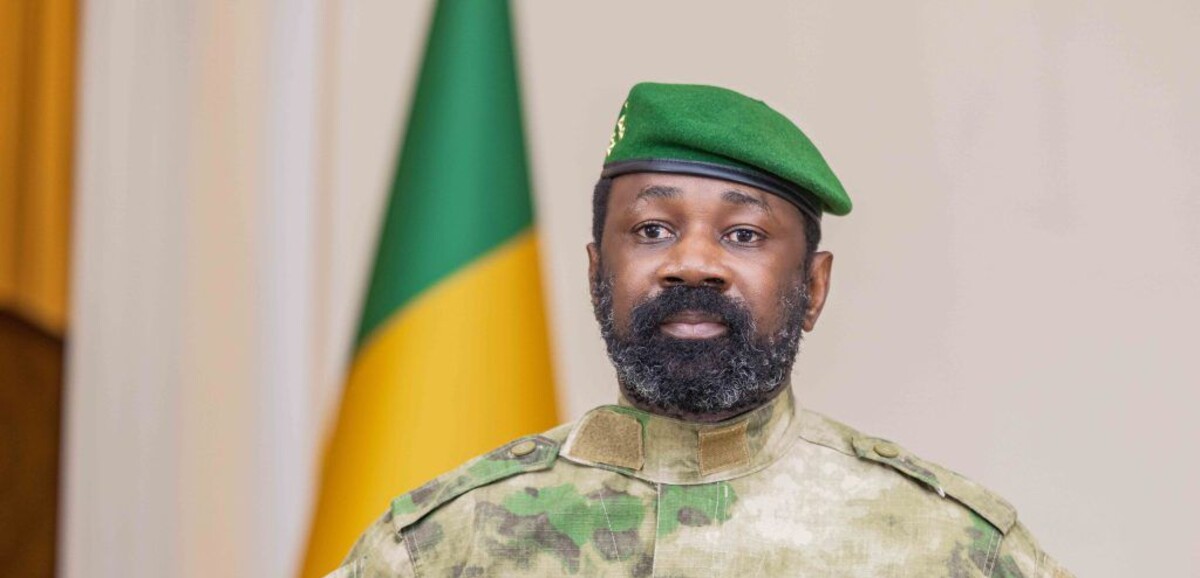
Within hours of the address, the core question dominating public debate was straightforward: how can a state simultaneously intensify a war and extend a hand to the very groups it is fighting? Goïta framed the two as complementary rather than contradictory, insisting that Mali’s territorial integrity and national unity remain non-negotiable while the door to dialogue stays open.
“While remaining open to dialogue and reconciliation between Malian brothers, our firm will to defend the integrity of our territory and national unity remains intact,” he said. On the security front, he was equally direct: “In this context, the fight against insecurity and armed terrorist groups will be further strengthened.”
That framing has not settled the argument. Critics see a familiar pattern in the Sahel: calls for talks that buy time while military pressure builds, or military pressure that makes genuine talks impossible. Supporters counter that no conflict ends on the battlefield alone, and that keeping a dialogue channel open is a strategic necessity, not a concession.
What comes next: the shadow of Dioura hangs over the strategy
The timing of the speech matters. It followed weeks of deadly assaults on Malian positions, most devastatingly the September 10 attack on the Dioura camp in central Mali, where more than 100 soldiers were killed and dozens more taken prisoner. The Group for the Support of Islam and Muslims (JNIM), Al-Qaeda’s Sahel affiliate, claimed or was blamed for several of these operations.
For the Malian armed forces (FAMA), Dioura represents one of the heaviest single losses in years of counter-insurgency. It has sharpened scrutiny of whether a reinforced campaign can reverse momentum, or whether it risks repeating the same cycle of attrition. The coming weeks will test whether Goïta’s promised escalation translates into better-protected bases, improved intelligence and fewer mass-casualty incidents, or whether the insurgents continue to dictate the tempo.
A tribute to the fallen, and a strategic bet on Moscow
Beyond the security pledges, Goïta honoured soldiers killed in combat, presenting their sacrifice as the price of defending the homeland. He also reaffirmed plans to boost the army’s capabilities, pointing to continued cooperation with Russia, which has become Bamako’s principal strategic partner since French forces and several Western partners withdrew.
That alignment is itself part of the fallout being watched closely. For supporters, it offers a reliable security lifeline; for sceptics, it deepens Mali’s isolation and raises questions about long-term dependency. Either way, the trajectory is set: Mali’s military doctrine and its diplomacy are increasingly intertwined with Moscow.
Independence day under the cloud of an unfinished war
Mali marked the 66th anniversary of its independence on September 22 with ceremonies unfolding against a particularly tense security backdrop. Jihadist groups continue to mount attacks on security forces and press to extend their reach across several regions of the country.
What happens next will be measured less by the applause at official events than by the situation on the ground: whether the promised reinforcement changes the balance, whether any credible dialogue channel emerges, and whether ordinary Malians feel safer in the months ahead. For now, the country is left to debate the wisdom of a strategy that wages war and offers peace in the same breath.
- jihadist attacks Mali
- Russia
- Mali
- Assimi Goïta
- AES
- counter-terrorism
- FAMA
- Malian armed forces