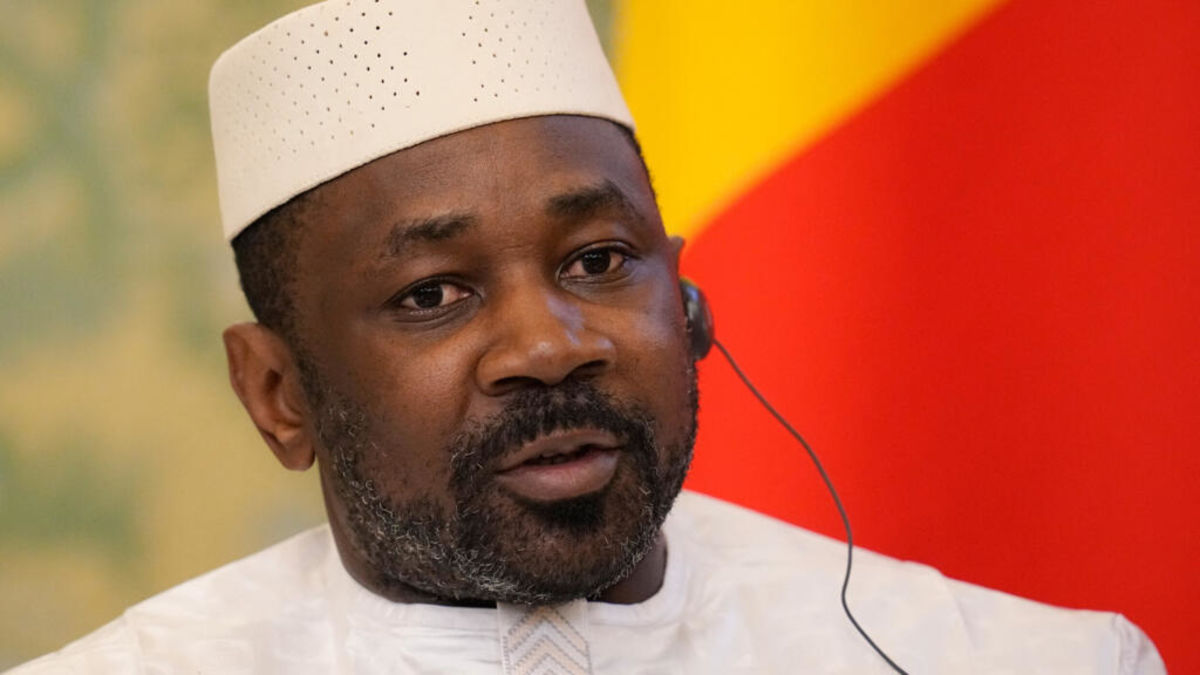

The Mali celebrated its Independence Day on September 22, a national occasion marked by a televised address from transitional President Assimi Goïta. Speaking on the evening of September 21, Goïta highlighted economic progress, reaffirmed his commitment to combating armed terrorist groups, and emphasized national reconciliation as key priorities for the country’s future.
Since seizing power in 2020—without elections and with the backing of Russia’s Africa Corps—Goïta has framed Mali’s path forward within the Alliance of Sahel States (AES), positioning the nation as advancing toward greater sovereignty. However, his celebration of progress contrasts sharply with the realities faced by many Malians, including those living under persistent insecurity and economic hardship.
opposition voices demand answers amid national celebration
Not all voices in Mali are celebrating. Inside the country, dissent is largely suppressed, leaving few avenues for public criticism. But outside its borders, opposition figures are speaking out. Among them is Etienne Fakaba Sissoko, a former academic turned prominent critic, now serving as spokesperson for the Coalition of Forces for the Republic (CFR). The group, led by Imam Dicko, unites exiled political and civil society leaders in a shared call for accountability.
In an exclusive interview, Sissoko challenged Goïta’s narrative, questioning the connection between national pride and the current transitional government’s performance. “We can love Mali deeply, support our soldiers, and defend our sovereignty—and still demand accountability from those who have seized power,” he stated. “The people of Mali are waiting for results: safety in movement, jobs, electricity, freedom, and a real political future.”
Sissoko also criticized the omission of Russia in Goïta’s speech, calling it an implicit admission of failure. “Everyone sees the outcome of this partnership now. Just ten days ago, the attack on Dioura happened!” he said, referring to a devastating assault by the Group to Support Islam and Muslims (JNIM)—an al-Qaeda affiliate—that left over a hundred Malian soldiers dead and dozens captured.
a nation in mourning, not in celebration
As the country marks its 66th year of independence, Sissoko paints a far grimmer picture. “Today, Mali is not in a celebratory mood. The level of national decline has reached heights never before seen in our political history. I refuse to say I am celebrating. I am in mourning. The state of our nation does not honor the regime that governs it.”
With opposition figures silenced at home and active abroad, the gap between official rhetoric and public sentiment continues to widen—raising critical questions about governance, security, and the true meaning of sovereignty in today’s Mali.