Olympe Bhêly-Quenum turns 100: the literary world reacts and looks ahead
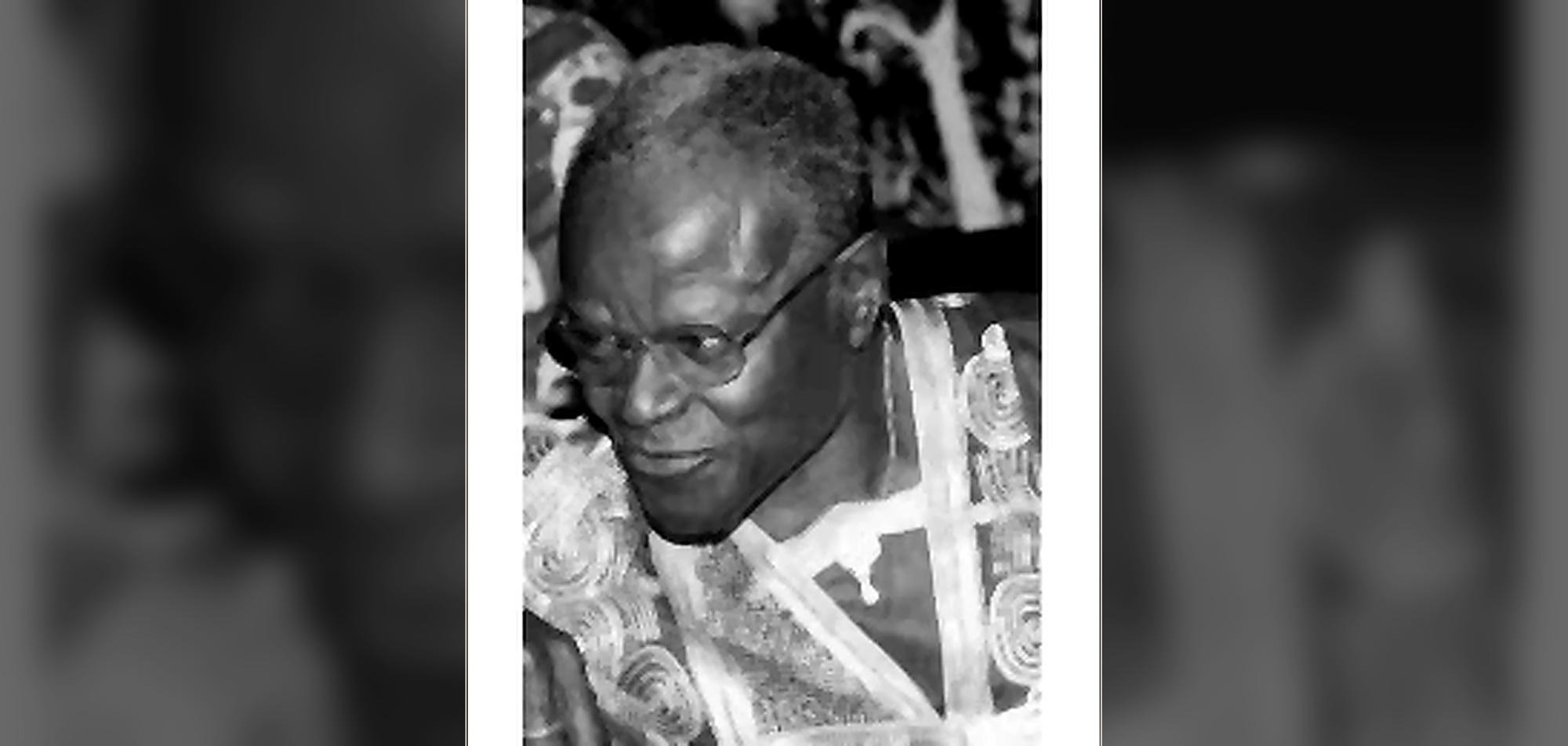
Olympe Bhêly-Quenum, born on 20 September 1926 in Ouidah, has reached his 100th birthday. The milestone has triggered a wave of reactions across Bénin and beyond, with writers, critics and cultural figures weighing in on what his century of life and literary work means for African letters today.
Reactions pour in from across the literary community
The centenary has sparked public debate about the place of Bhêly-Quenum’s work in the canon of French-language African literature. Many voices have highlighted how his novels and essays continue to shape discussions on spirituality, social realism and the role of the writer in society. The conversation has extended beyond academic circles, with readers and journalists sharing personal reflections on his influence.
A life rooted in Ouidah’s spiritual and cultural heritage
Born in Gléxwé (Ouidah), the heart of Vodoun culture and worship, Bhêly-Quenum grew up in an influential noble family with deep ties to the history of the Kingdom of Dahomey. His mother served as a Grand Priestess of Vodoun. That early immersion in the sacred and the mystical left a lasting mark on his entire artistic output, where African spirituality, social realism and the unseen world often intersect.
Milestones that defined a literary trajectory
After studying in Bénin and later in France, Bhêly-Quenum established himself with works that have become landmarks of African literature:
- Un piège sans fin (1960): His first novel, a poignant drama about fate and the human condition, is now a staple in schools and universities across the continent.
- Le Chant du lac (1965): Awarded the Grand Prix Littéraire d’Afrique Noire in 1966, this novel explores the tension between progress, the breaking of myths and ancestral beliefs around Lake Nokoué.
- La Naissance d’Abikou (1998): A literary journey into the mythical figure of the spirit-child in Yoruba and Fon cosmology.
The journalist and cultural bridge-builder
Beyond his fiction, Bhêly-Quenum was a pioneer for African cultural journalism. As director and editor-in-chief of the renowned magazine La Vie Africaine, and later as founder of L’Afrique Actuelle, he acted as an intellectual bridge between writers from the continent and the wider world, tirelessly advocating for the revaluation of African heritage.
What comes next for his legacy?
As Bénin’s literary elder statesman celebrates his 100th year, the question on many minds is how his legacy will evolve. His work remains a living reference, and the ongoing reactions suggest that his influence will continue to inspire new generations of writers. The debate now turns to how to carry forward his commitment to cultural reclamation and literary excellence in a changing world.