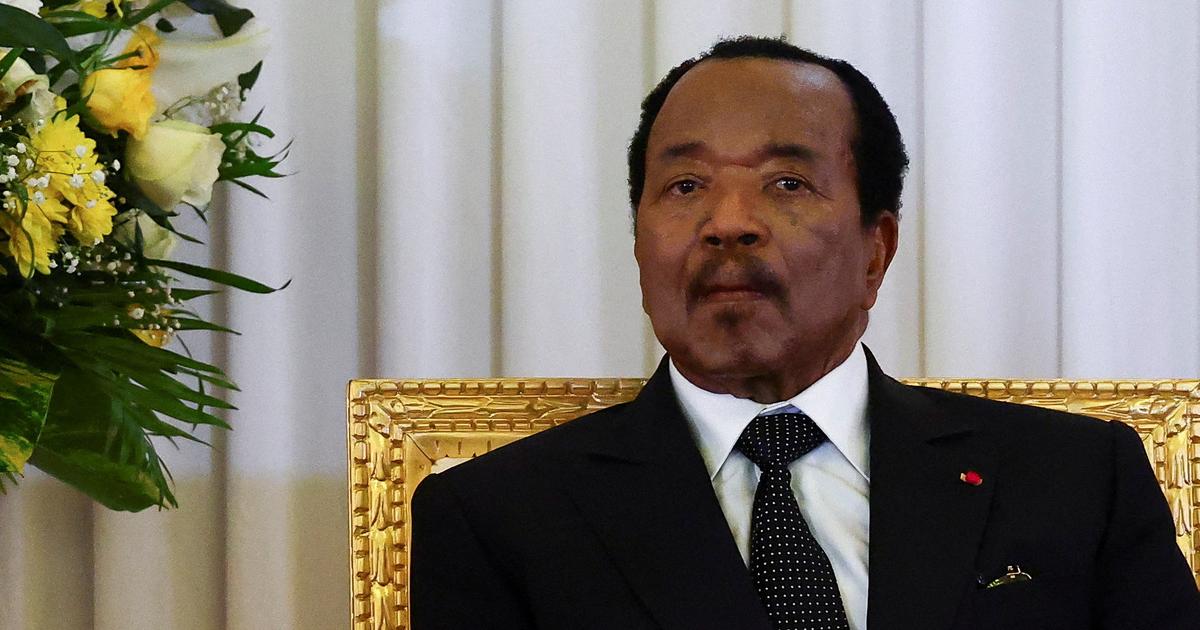

Yaoundé — The whereabouts of President Paul Biya, one of Africa’s longest-serving leaders, have sparked speculation across Cameroon as the 93-year-old leader completes two months abroad. Civil society groups and opposition parties question not only his absence but also his current health and capacity to govern the country.
Officially, Biya left Yaoundé on June 7 for what was described as a “brief private visit” to Geneva, Switzerland. However, this trip has now surpassed 50 days, marking the longest absence from the presidential palace since he took office in 1982. The unusual duration has fueled debates about transparency and governance in a nation where power has remained concentrated in the hands of a single leader for over four decades.
Government functions continue despite presidential silence
While Biya remains out of the public eye, state institutions appear to be functioning as usual. On August 3, the presidency released a series of presidential decrees signed from Geneva, including a major military reshuffle that appointed key officers to strategic positions. The move raises questions about who is truly pulling the strings behind the scenes and whether decisions are being made in the president’s name without his direct oversight.
Analysts point out that Cameroon’s political system is deeply centralized, with power radiating from the presidency. The prolonged absence of its octogenarian leader has left many wondering about the stability of the regime and the mechanisms in place to ensure continuity in governance.
Public reaction: skepticism and concern
Social media and public discourse are abuzz with theories and concerns. Critics argue that the government’s silence only deepens uncertainty. “It’s no secret that Cameroon operates in a state of institutional opacity. When the world’s oldest president spends more time abroad than at home, it’s hard to believe the country is being led responsibly,” commented a political observer based in Douala.
Opposition figures have called for clarification, demanding that authorities disclose Biya’s current health status and the reasons behind such a prolonged absence. Meanwhile, state media continues to broadcast images of an empty presidency, reinforcing the image of a leader whose physical presence is increasingly symbolic rather than operational.
What happens next?
The situation remains fluid, with no official update on Biya’s return. The international community, including regional partners, is closely monitoring the developments. As the days go by, the pressure grows for the government to address growing concerns and reassure both citizens and international observers about the country’s leadership and stability.