
The hidden roots of global student unrest in 2026
Behind the wave of protests sweeping schools and universities in 2026 lies a deeper crisis: decades of underfunding, shifting priorities, and a widening gap between educational offerings and labor market realities. From European capitals to African campuses, the anger stems from more than immediate grievances—it reflects a systemic failure to prepare young people for an increasingly unstable future. The question isn’t just why students are taking to the streets, but how we got here.
Funding gaps, crumbling infrastructure: the silent drivers of dissatisfaction
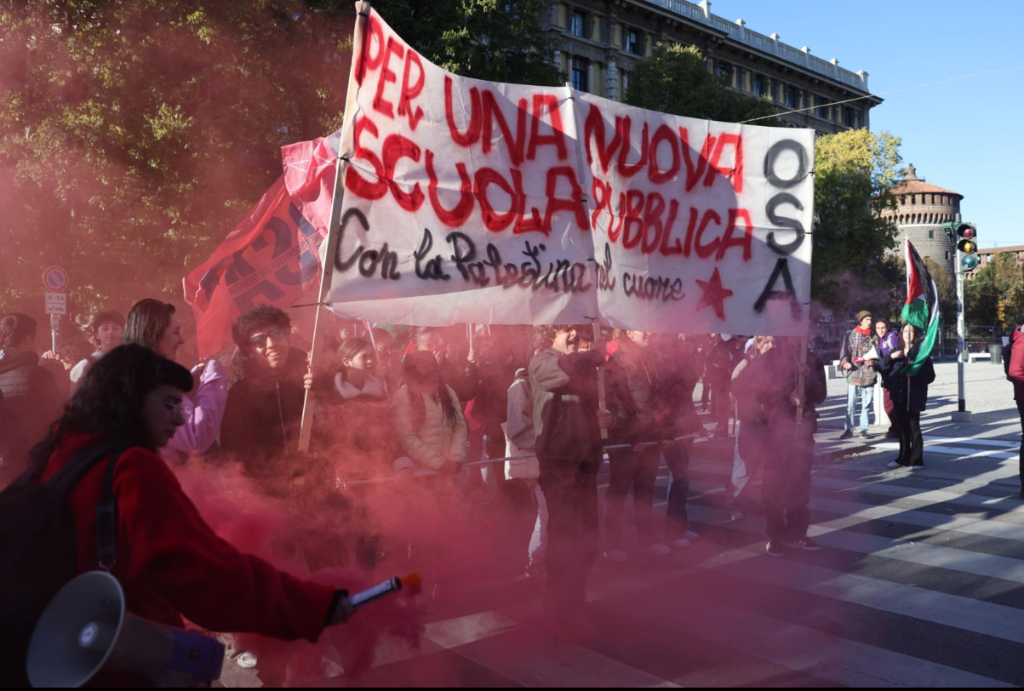
In France, the 2026 school year began with over 1,000 high schools paralyzed by strikes not just over teacher shortages, but over a decade of deferred maintenance in classrooms and facilities. Italy’s October marches targeted a law limiting foreign students in classrooms—a policy seen as both symbolic and shortsighted in an aging population. Meanwhile, in Senegal’s Cheikh Anta Diop University, unpaid scholarships didn’t just delay exams—they left students without food or housing, highlighting how financial aid, when broken, tears apart the fabric of education itself.
- Public disinterest: Years of budget cuts have left classrooms overcrowded, textbooks outdated, and digital tools absent, turning learning into a privilege instead of a right.
- Promise vs. reality: University degrees no longer guarantee stable careers, eroding trust in the system that promised upward mobility.
- Urban squeeze: In Greece and Belgium, rent hikes and rising food prices have made student life unaffordable, shifting focus from learning to survival.
From policy failures to political distrust: what the protests reveal
The movements in Albania and Argentina expose a dangerous disconnect. In Tirana, corruption scandals within education ministries fueled rage that spilled beyond campuses, with arson targeting not just schools but banks and government buildings. In Buenos Aires, the federal university march wasn’t just about salaries—it was a protest against a government accused of sidelining higher education in favor of short-term fiscal gains. These aren’t isolated outbursts; they’re symptoms of governance that treats youth as an afterthought.
When Abdoulaye Ba, a student in Dakar, died during protests over unpaid stipends, the tragedy underscored a brutal truth: for many, the scholarship check isn’t just income—it’s survival. The fact that his death sparked nationwide rallies wasn’t a spontaneous reaction; it was the breaking point of a system that had ignored repeated warnings.
Security vs. solutions: why force alone can’t fix the crisis
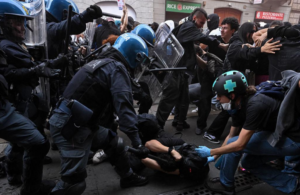
Governments have responded with a mix of concessions and crackdowns. France deployed riot police during school blockades; Belgium arrested students during clashes over budget reforms. These tactics may restore order temporarily, but they do nothing to address the structural issues fueling the anger—crumbling buildings, unaffordable living costs, and the erosion of public trust in education as a ladder to opportunity.
In Kenya, university strikes over unpaid lecturers led to canceled exams, derailing academic years for thousands. In South Africa, students at Rhodes University protested fee structures that could bar them from re-enrolling—only to face arrests. In each case, the response prioritized control over dialogue, deepening the belief that authorities care more about appearance than substance.
The long-term cost: what happens when education loses its promise
When a generation realizes that climbing the educational ladder doesn’t lead to a stable future, the consequences ripple far beyond classrooms. Trust in public institutions erodes. Social mobility stalls. And the very idea of education as a pathway to progress—once a cornerstone of modern societies—begins to crumble.
This isn’t just about youth anger. It’s about a collective failure to invest in the one resource that could stabilize economies and societies: human potential. Without real change—not just in budgets, but in priorities—the cycle of unrest will only intensify, leaving governments playing a dangerous game of whack-a-mole with symptoms instead of curing the disease.
What’s next: beyond protests to systemic reform
The 2026 mobilizations aren’t a fleeting trend. They’re a loud, urgent signal that the social contract between youth and the state is broken. Fixing it won’t come from temporary fixes or security theater. It demands:
- Transparent funding: Regular, on-time disbursement of scholarships, with clear criteria and accountability.
- Modern infrastructure: Renovation of schools and universities, equitable access to technology, and fair classroom sizes.
- Economic alignment: Policies that ensure education leads to viable careers, not just degrees.
- Youth inclusion: Genuine seats at decision-making tables—within ministries, university boards, and budget committees.
The alternative is clear: a generation that no longer believes in the power of education is a generation that stops investing in the future. And that’s a risk no society can afford to take.

The 2026 protests are not just about schools—they’re about what kind of world we’re building for those who will inherit it.