
The hidden roots of a transboundary water crisis
Beyond headlines of political disputes and frozen diplomacy, a quieter but far-reaching crisis is unfolding along the Algeria-Morocco border. At its center lies the Mouilah River—now at the heart of a growing environmental controversy that exposes deeper systemic issues in North Africa’s water security.
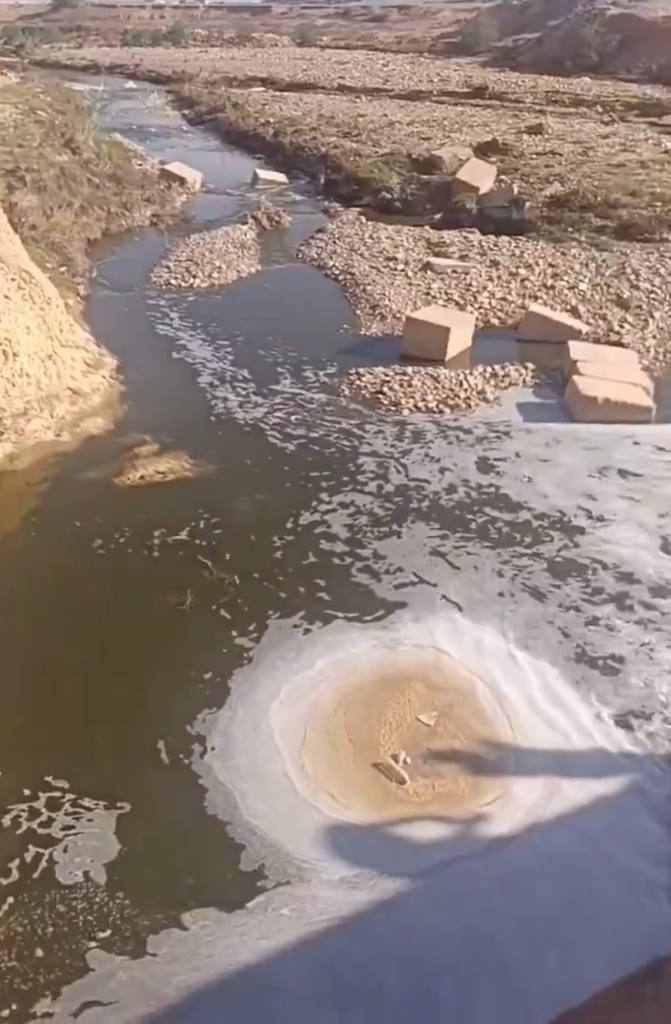
Algerian authorities have identified a severe degradation of water quality in the Mouilah, a critical tributary flowing through Tlemcen Province. The contamination, they allege, originates from industrial and domestic discharges crossing from Moroccan territory via the Isly River. This is not just an ecological alarm—it is a geopolitical signal, revealing how environmental neglect can ignite long-standing tensions between neighbors.
What the data reveals: toxic traces and unseen dangers
Laboratory findings from Algerian environmental agencies have detected elevated levels of nitrites, heavy metal residues, pharmaceutical compounds, and microbial contaminants. These pollutants threaten not only aquatic ecosystems but also the safety of drinking water drawn from the Hammam Bougara Dam, which serves multiple communes in western Algeria.
Such findings raise immediate red flags. Persistent chemical contamination could overwhelm water treatment facilities, drive up operational costs, and force authorities to restrict water use—disproportionately impacting rural and underserved communities already facing water shortages.
The unanswered question: who is responsible?
While Algerian officials have pointed to industrial and urban outflows from Morocco as the likely source, establishing a definitive link is complex. Pollutants detected in a cross-border river can travel long distances, mix with local runoff, and degrade over time, making it difficult to trace them back to a single origin without robust, ongoing sampling and analysis.
To validate their claims, Algerian authorities have stressed the need for transparent, independent investigations involving joint hydrological monitoring and third-party environmental audits. Only through shared data, standardized testing protocols, and peer-reviewed results can the true source of pollution be identified—and accountability established.
Diplomatic leverage or environmental emergency? The stakes of international action
As the crisis deepens, voices in Algeria’s Tlemcen region have urged formal international intervention, suggesting recourse to global bodies under environmental protection treaties. Such a move would leverage international law, including principles of transboundary harm prevention and shared resource stewardship—key tenets of frameworks like the UN Watercourses Convention.
Yet the path from political rhetoric to legal action remains unclear. Public calls for international scrutiny do not equate to an official complaint or filed lawsuit. Still, the mere possibility of international arbitration underscores a growing reality: environmental disputes are no longer confined to technical boards—they now sit squarely within the realm of international relations.
Water in the shadow of geopolitical fractures
The timing of this crisis could not be more delicate. Since diplomatic ties between Algeria and Morocco collapsed in 2021, bilateral communication has been largely suspended, leaving few channels for resolving technical disputes. The introduction of a water-related conflict adds another layer of complexity to an already fragile relationship.Both nations are grappling with severe water stress, driven by climate change, urban expansion, and agricultural demand. In such a context, pollution that crosses borders is not just an ecological issue—it becomes a matter of national sovereignty, public health, and state responsibility.
Yet despite the high stakes, there is no indication of military escalation. Current indicators point to an environmental emergency in urgent need of scientific resolution rather than a prelude to conflict.
From crisis to cooperation: can science defuse political tensions?
The way forward must begin with objectivity. A joint scientific commission—comprising hydrologists, toxicologists, and environmental engineers from both countries—could jointly map pollution sources, model water flow patterns, and assess health risks to downstream populations.
Such collaboration would not only clarify responsibilities but also set a precedent for managing shared rivers in North Africa, where water scarcity and cross-border flows are increasingly under strain. The lesson from the Mouilah River is clear: water does not respect borders. Without transparency and cooperation, environmental degradation will continue to erode trust—and that erosion, over time, can reshape geopolitics itself.