Bénin: Patrice Talon leads newly formed senate amid political reforms
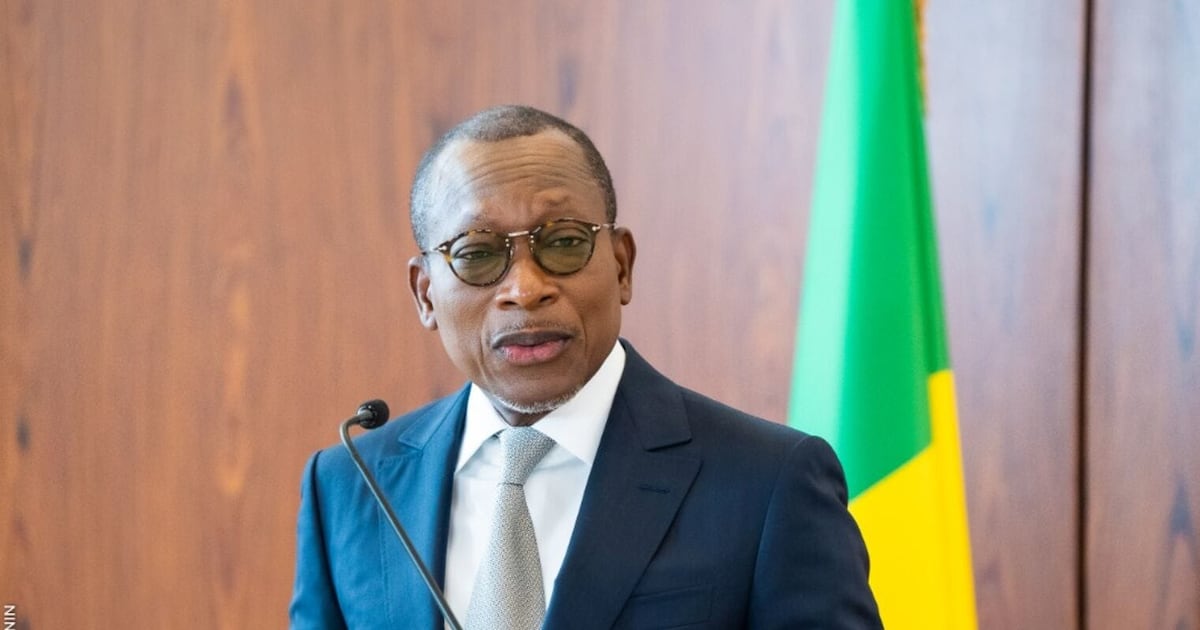
In a landmark move for Bénin’s democratic landscape, the nation’s first-ever Senate convened this month, following a constitutional amendment passed in late 2025. The reform, designed to enhance political stability, established an institution tasked with overseeing the nation’s governance framework.
The Senate’s structure and membership
The upper house comprises 25 members, a mix of former heads of state and appointees chosen directly by the President. Unlike traditional legislative bodies, these senators hold their positions by constitutional right or presidential designation rather than through elections, reflecting a unique approach to political representation.
Patrice Talon assumes Senate leadership
Former President Patrice Talon, who served two consecutive terms from 2016 to 2026—the maximum allowed under the Constitution—now leads the Senate. Speaking at the inaugural session in Porto-Novo, he emphasized his commitment to fostering national unity, political stability, and democratic values. “I pledge my full dedication to ensuring this Senate operates as a cohesive family,” he stated, addressing the assembled members.
Talon’s election to the top role was decisive, securing 24 votes in favor, with a single blank ballot cast against. His leadership transition comes as the nation continues to evolve under a revised governance model.
Notable figures in the Senate
The Senate also includes two former Presidents, Thomas Boni Yayi (2006–2016) and Nicéphore Soglo (1991–1996), both of whom bring decades of political experience to the chamber. Additionally, Paul Hounkpè, who ran as the sole opposition candidate in the most recent presidential election, holds a seat in the Senate.
The latest presidential election, held in April, saw Romuald Wadagni—a former Economy Minister and close ally of Patrice Talon—emerge victorious, continuing the current administration’s policy direction.