Benin–Spain cultural pact: the reactions, the debate, and what happens next
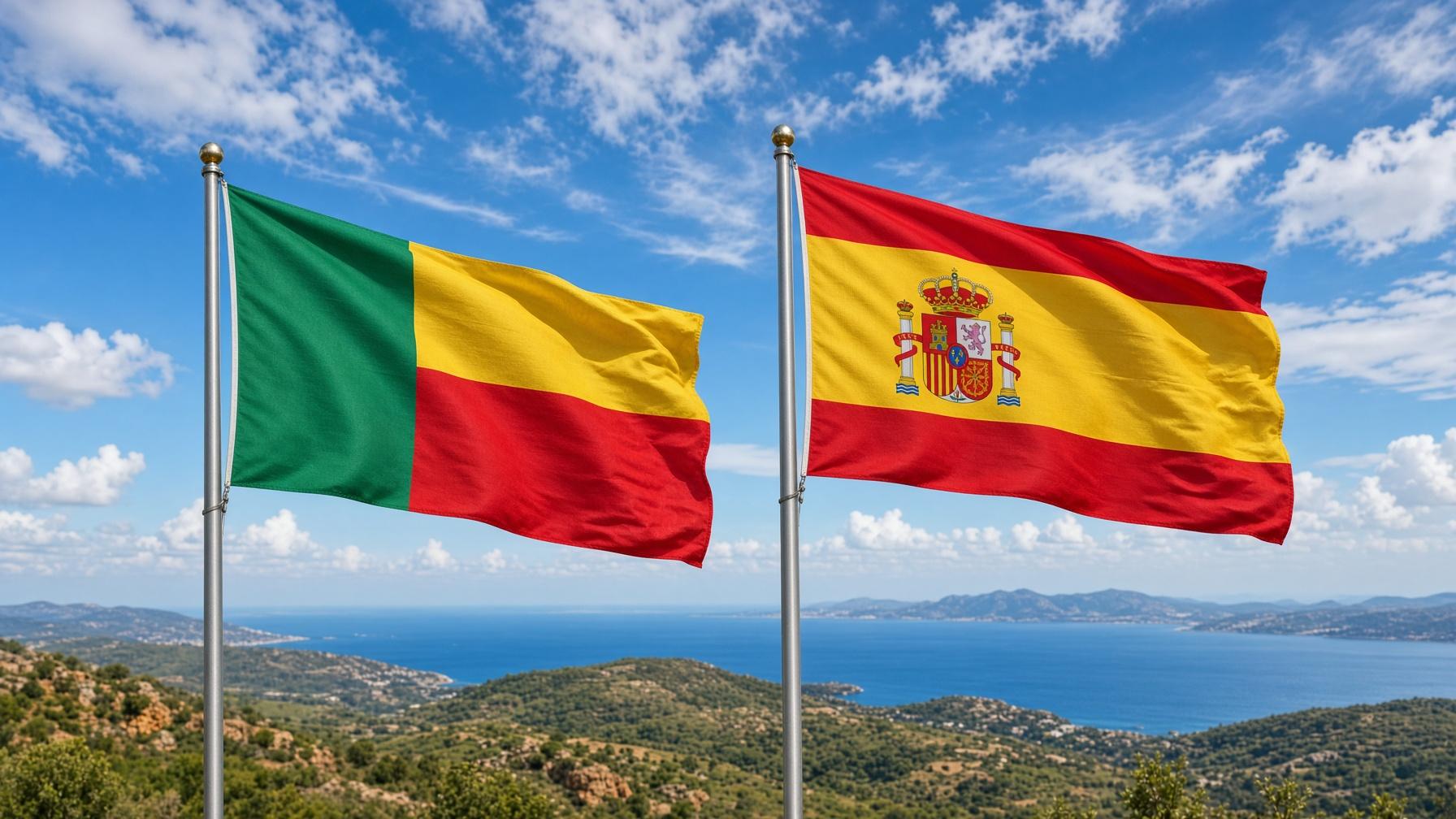
The ink has barely dried on the Benin–Spain cultural cooperation framework, and the reaction has been immediate. In Cotonou, artists and cultural operators are asking how quickly the promised residencies and exchanges will materialise. In Madrid, diplomats are weighing what this partnership signals for Spain’s broader engagement with West Africa. What began as a bilateral gesture is now a public conversation about priorities, expectations and follow-through.
How the announcement landed on both sides
The initial response has been broadly positive, but not uncritical. Cultural stakeholders in Benin have welcomed the emphasis on concrete programmes over ceremonial declarations, while also pressing for clarity on funding timelines and selection criteria. In Spain, observers have framed the agreement as part of a wider effort to deepen ties with African partners through culture rather than commerce alone. The debate now centres less on whether the partnership is welcome and more on whether it can be delivered at the scale promised.
The agenda taking shape
Three areas appear to be driving the early momentum, each with its own set of expectations and open questions.
- Artist residencies and skills exchange: Planned programmes would place visual artists, performers and heritage restoration specialists in each other’s countries. The demand from practitioners is clear; the question is capacity and scheduling.
- Heritage preservation and museum cooperation: Both sides have signalled a shared interest in protecting and presenting cultural collections, with Spain offering long-standing expertise in cultural engineering and tourism management.
- Creative industries and professional training: A push to formalise training in stagecraft and to digitise artworks is under discussion, with an eye on turning cultural output into sustainable livelihoods.
Why the cultural route carries weight
Benin’s approach reflects a deliberate strategy: placing arts and tourism at the centre of its international outreach. By building a network of high-level cultural partnerships, the country reinforces its standing as a regional cultural hub and demonstrates that soft power can be a practical instrument of influence. The agreement with Spain is the latest addition to that portfolio, and it arrives at a moment when cultural diplomacy is being reassessed across the continent.
What to watch from here
The next phase will test the partnership’s substance. Early indicators will include the announcement of concrete residency cohorts, the identification of heritage projects with named institutional partners, and the rollout of training programmes with measurable enrolment. Funding mechanisms and governance structures will also need to be clarified if the initiative is to move beyond goodwill.
For now, the Benin–Spain cultural partnership has done something significant: it has shifted the conversation from aspiration to implementation. The coming months will determine whether that shift holds.