Bénin unveils its 2026-2035 climate roadmap for a resilient economy
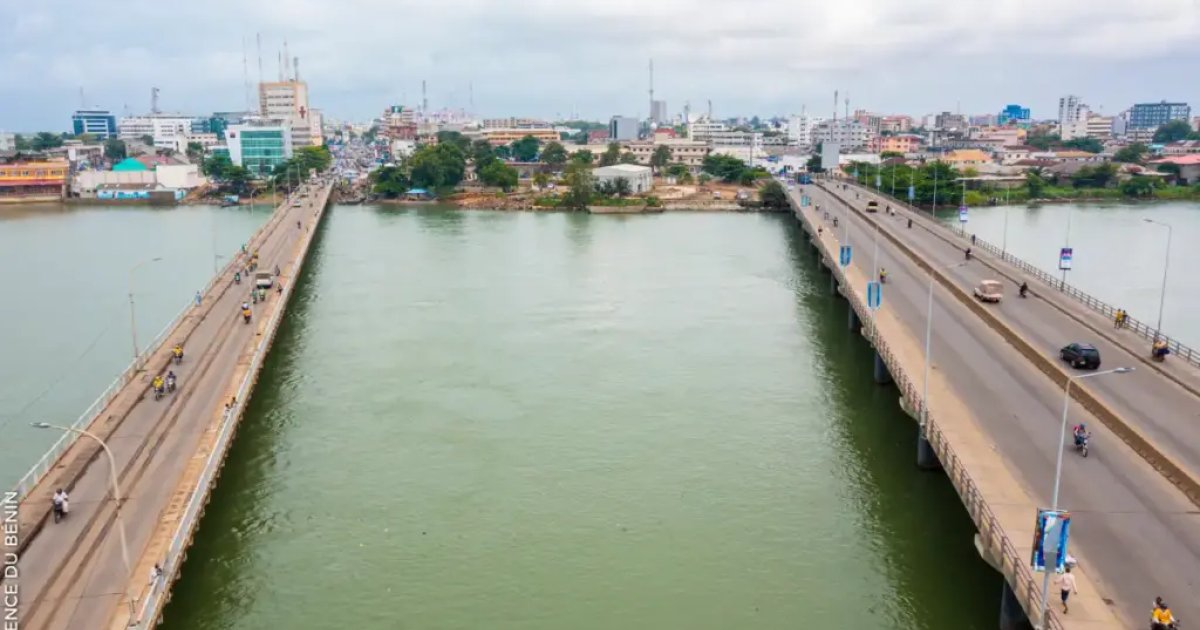
Bénin has officially launched its third Nationally Determined Contribution (NDC 3.0) for the period 2026-2035, a comprehensive climate roadmap designed to foster a more resilient economy. Unveiled on Tuesday, August 4, 2026, in Cotonou, this ambitious plan seeks to secure an investment of $14.5 billion. The document is set to become the foundational framework guiding Bénin’s climate change adaptation policies, strategic investment planning, and comprehensive territorial development.

The launch event, held at the Novotel Cotonou Orisha, brought together key stakeholders, including representatives from the Béninese government, the United Nations system, various technical and financial partners, and numerous actors dedicated to climate policies. Among the prominent figures present were Georges Alé, the Minister of Living Environment and Transport, responsible for Sustainable Development, and Aminatou Sar, the Resident Coordinator for the United Nations system in Bénin.
Also in attendance was Félix Kress, the cooperation attaché from the German Embassy in Bénin, whose presence underscored the vital role expected from international partners. These partners are crucial for providing financial support, technical assistance, and capacity building necessary for the successful implementation of Bénin’s new climate roadmap.
The NDC 3.0, spanning from 2026 to 2035, targets several critical sectors particularly vulnerable to the impacts of climate change. Key areas earmarked for adaptation and resilience measures include agriculture, energy, water resources, forestry, public health, infrastructure, tourism, and the nation’s coastline.
A significant funding requirement: $14.5 billion
Bénin anticipates needing $14.5 billion to fund the initiatives outlined in its NDC 3.0. This figure represents the projected financial requirement for the climate strategy; however, current information does not specify how much of this funding has already been secured or its breakdown between public resources, private investments, and external aid.
The planned investments are designed to significantly reduce the vulnerability of territories, safeguard essential infrastructure, and enhance the capacity of communities to withstand climatic events. Furthermore, these investments are vital for securing economic activities that are frequently exposed to threats such as droughts, floods, coastal erosion, and the degradation of natural resources.
For the Béninese authorities, the NDC 3.0 transcends a mere environmental commitment. It is envisioned as a strategic instrument to guide investment decisions and integrate climate risks into public policies, infrastructure projects, and broader economic development strategies.
The successful execution of this roadmap, however, will depend heavily on Bénin’s ability to translate its stated objectives into concrete, funded, and implemented projects. Technical and financial partners are thus encouraged to support the mobilization of resources, the development of specific projects, and the monitoring of results, particularly in the most exposed regions and among the most vulnerable populations.
Through this renewed contribution, Bénin aims to strategically connect the reduction of climate vulnerability with the protection of its economy and the advancement of territorial development. The operationalization of this ambitious vision for 2026-2035 will require further detailed clarification regarding project timelines, financing mechanisms, and monitoring frameworks.