
Unpacking Benin’s remarkable economic growth in 2026
The Beninese economy has defied expectations in 2026, posting an 8.2% real GDP growth in the first half of the year. This performance is not just a statistical milestone—it reflects a deeper shift in the country’s economic strategy, one that prioritizes industrialization over raw material exports. Behind this growth lies a carefully orchestrated effort to redefine Benin’s role in global trade by adding value to local resources and fostering a competitive industrial base.
The International Monetary Fund’s (IMF) mid-2026 assessment highlighted this growth as a testament to Benin’s evolving economic model. The numbers tell a story of resilience, innovation, and deliberate policy choices aimed at breaking away from traditional economic dependencies. But what are the real drivers behind this transformation?
From raw exports to industrial powerhouse: the strategic pivot
Benin’s economic narrative has long been tied to its agricultural and natural resource sectors. However, the 8.2% growth in 2026 signals a fundamental shift. The government’s push for industrialization is not merely about diversification—it’s about retaining more of the economic value generated within the country’s borders. By transforming local raw materials into finished goods, Benin aims to reduce its reliance on exporting unprocessed commodities and instead build a robust manufacturing sector.
This transition is rooted in several key pillars:
- Local value addition: Transforming cotton, cashews, and other agricultural products into higher-value goods before export.
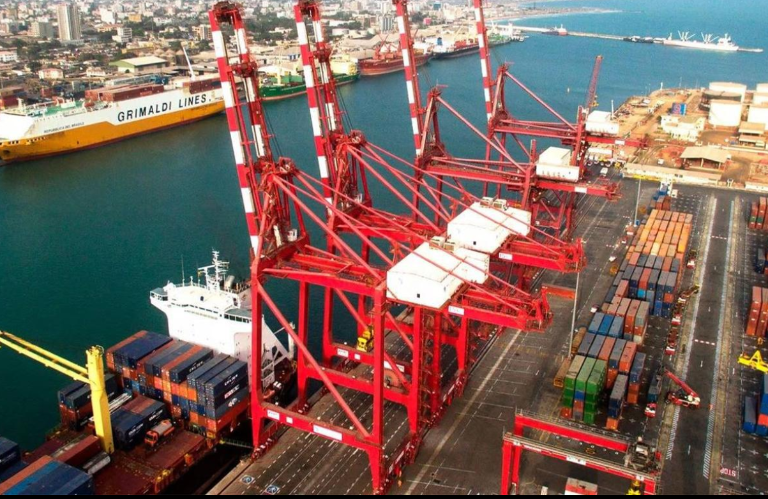
- Infrastructure modernization: Upgrading ports, roads, and industrial zones to support large-scale production and logistics.
- Business environment reforms: Streamlining regulations to attract private investment and foster entrepreneurship.
- Skills development: Investing in vocational training to build a workforce capable of supporting industrial growth.
The goal is clear: move beyond being a supplier of raw materials to becoming a hub for manufacturing and value-added exports.
The Glo-Djigbé Industrial Zone: a case study in ambition
At the heart of Benin’s industrial transformation lies the Glo-Djigbé Industrial Zone (GDIZ), a flagship project designed to catalyze economic diversification. Spanning over 1,500 hectares, GDIZ is more than just an industrial park—it’s a strategic initiative to create integrated value chains around Benin’s key resources.
The zone is strategically positioned to process agricultural commodities like cotton into textiles, food products, and other manufactured goods. By doing so, it aims to:
- Boost local employment: Creating thousands of jobs across manufacturing, logistics, and support services.
- Enhance export competitiveness: Producing goods that meet international standards and attract premium markets.
- Attract foreign direct investment (FDI): Positioning Benin as a reliable destination for multinational corporations seeking to establish regional manufacturing hubs.
The success of GDIZ could serve as a blueprint for similar initiatives across West Africa, demonstrating how targeted industrial policy can drive economic growth.
Targeting global markets: Europe, China, and the United States
Benin’s industrial ambitions are not confined to its borders. The government has set its sights on penetrating high-value markets in Europe, China, and the United States. These regions offer significant opportunities for Beninese manufacturers, particularly in agro-industrial and light manufacturing sectors.
To capitalize on these opportunities, Benin must address several critical challenges:
- Product quality and standards: Ensuring that Beninese goods meet the stringent requirements of international buyers.
- Logistics and infrastructure: Developing efficient supply chains to reduce costs and improve delivery times.
- Trade agreements and market access: Leveraging existing and future trade partnerships to secure favorable terms for Beninese exporters.
The potential rewards are substantial. Increased exports may lead to higher foreign exchange earnings, stronger local industries, and greater economic resilience. However, achieving this will require sustained investment in infrastructure, technology, and human capital.
The road ahead: risks and opportunities
While the 8.2% growth in 2026 is a cause for optimism, it is not without risks. The global economy remains volatile, with commodity prices fluctuating and geopolitical tensions affecting trade flows. For Benin, the following factors will be decisive in sustaining its economic momentum:
- Commodity price volatility: A sharp decline in global prices for cotton, cashews, or other key exports could impact revenue and investment.
- Regional security concerns: Instability in neighboring countries may disrupt trade routes and deter investors.
- Climate change: Droughts, floods, and erratic weather patterns pose risks to agricultural productivity, which underpins much of Benin’s industrial inputs.
To mitigate these risks, Benin must continue to:
- Diversify its economy: Reducing dependence on any single sector or commodity.
- Strengthen institutions: Ensuring transparent governance and effective policy implementation.
- Invest in resilience: Building adaptive infrastructure and social safety nets to protect vulnerable populations.
The ultimate measure of success will be whether this growth translates into tangible benefits for Beninese citizens—more jobs, higher incomes, and improved living standards. The government’s focus on youth employment and skills development will be particularly critical in ensuring that the benefits of industrialization are widely shared.
Redefining Benin’s economic future
Benin’s 8.2% growth in 2026 is more than a headline number—it’s a reflection of a bold vision to redefine the country’s economic identity. By shifting from raw material exports to a diversified, industrialized economy, Benin is positioning itself as a competitive player in the global marketplace.
The journey ahead is complex, with challenges that demand strategic foresight and persistent effort. Yet, the progress made so far demonstrates that Benin is on the right path. With continued investment in infrastructure, education, and innovation, the country could emerge as a model for economic transformation in West Africa.
The question now is whether Benin can sustain this momentum and turn its industrial ambitions into lasting prosperity for all its citizens.