
The unexpected consequences of being sent back to Burkina Faso
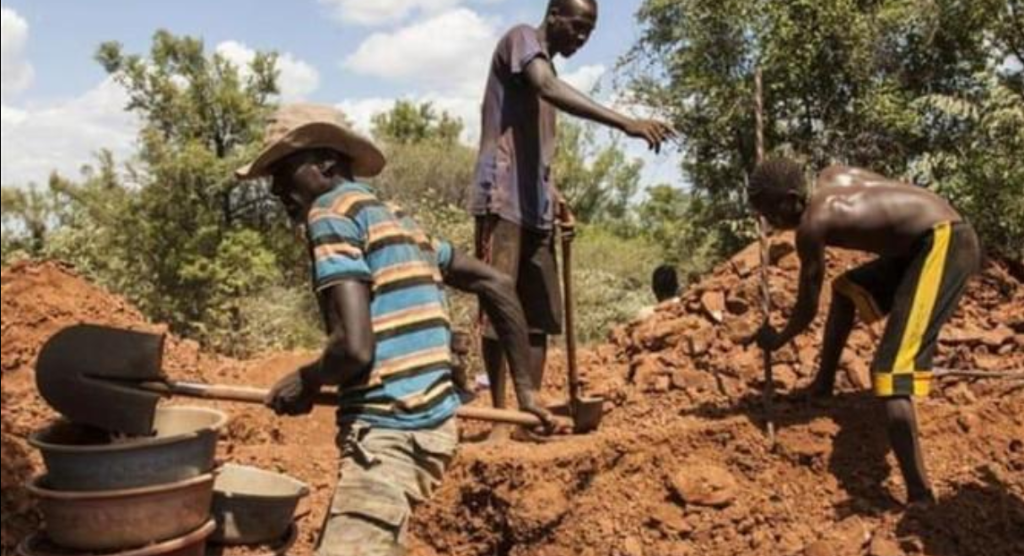
Hundreds of Burkinabè artisanal miners who were expelled from Guinea after fleeing instability at home now face an even harsher reality: returning to a Burkina Faso still grappling with terrorism, economic decline, and massive internal displacement. Their expulsion from West Africa’s gold-rich neighbor wasn’t just a setback—it was the loss of their primary means of survival in a country they were once forced to leave.
The root causes behind the exodus to Guinea
For years, Burkina Faso has been trapped in a cycle of violence. Terrorist groups have overrun rural areas, displacing entire communities and destroying local economies. Reports of abuses by state-backed militias have further eroded trust in institutions. When survival became impossible in their hometowns, many Burkinabè turned to migration—not by choice, but out of necessity. Guinea, with its booming artisanal gold sector in regions like Siguiri, offered a lifeline. The promise of steady income, however meager, allowed them to send remittances home and keep their families afloat.
But what started as an escape from conflict has now become another form of displacement. The Guinean government’s crackdown on irregular foreign miners abruptly ended their fragile stability. Most left with nothing more than the clothes on their backs, leaving behind mines that once provided their only source of livelihood.
Why returning isn’t the end of their struggle
Homecoming for these miners isn’t the relief they expected. Many villages remain under threat of attack, with homes abandoned and farmland inaccessible. Others return to overcrowded displacement camps where basic needs like food, shelter, and healthcare are already stretched thin. The arrival of more destitute returnees risks overwhelming already struggling host communities.
The most pressing question isn’t where they’ll sleep tonight—it’s what they’ll do tomorrow. With no savings left and no jobs to return to, how can they provide for themselves and their families? Without urgent intervention, their vulnerability could turn into a ticking time bomb, not just for them, but for the country’s fragile stability.
The hidden danger: recruitment by armed groups
Extreme poverty doesn’t always lead to extremism, but in a war-torn nation like Burkina Faso, the conditions are ripe for exploitation. Armed groups have a history of preying on the desperate—offering money, false promises of protection, or the illusion of purpose. A young man with no income, no home, and no hope is a prime target for recruitment, even if he never intended to pick up a weapon.
The risk isn’t just individual. It’s systemic. A crisis that began as an economic and humanitarian emergency could spiral into a security nightmare if thousands of returnees are left with no alternatives. The very people who fled violence are now being forced into a corner where they may have no choice but to engage with the groups they once escaped.
This isn’t just a matter of failed migration policy—it’s a warning sign of deeper instability. Burkina Faso’s future depends on whether it can offer these men a way forward or leave them to fend for themselves in a country that’s already struggling to protect its own.
A second chance at stability: what should come next?
Expelling Burkinabè miners solved no problems—it only created new ones. The government’s responsibility doesn’t end at repatriation; it must include reintegration. That means more than just handing them a bus ticket home. It requires a coordinated effort to assess each returnee’s situation:
- Mapping out which returnees come from high-risk areas where returning is unsafe
- Providing immediate financial aid to prevent destitution
- Offering vocational training or cash-for-work programs to rebuild livelihoods
- Strengthening ties with humanitarian partners to share resources and expertise
Diplomatic talks with Guinea must also prioritize the rights of these migrants. Forced removals without due process or humanitarian safeguards violate basic dignity—a principle that should guide cross-border negotiations. The goal isn’t just to send people back; it’s to ensure they don’t return to a future worse than the one they fled.
At its core, this crisis isn’t about borders or sovereignty. It’s about people caught in a cycle they never chose. A country that repeatedly displaces its own citizens—whether through violence or policy—isn’t just failing its people. It’s fueling the conditions that keep the conflict alive. The question Burkina Faso must answer now is clear: Will these returnees become victims again, or will they finally be given the chance to rebuild?
The heavy cost of turning a blind eye
To ignore the plight of these miners isn’t just cruel—it’s dangerous. Every day they remain without support, the harder it becomes to reclaim their lives. And every opportunity lost to integrate them peacefully into society is another step toward deeper instability. The time for temporary fixes is over. What Burkina Faso needs now is a long-term vision for resilience—one that includes those who’ve already paid the highest price.