
Inside the cyber breach: how hackers uncovered Russia’s hidden war casualties
The figure is staggering: more than 412,000 Russian soldiers may have perished since the full-scale invasion of Ukraine began in late February 2022. Behind this explosive revelation lies a sophisticated cyber operation targeting Rosstat, Russia’s federal statistical agency. Cybersecurity researchers and hacktivist groups claim to have infiltrated state databases, extracting sensitive administrative records including death certificates directly linked to military personnel.
If verified, these leaked documents would represent one of the most damning assessments of battlefield losses since the conflict erupted. Yet their authenticity remains hotly contested—raising critical questions about data provenance, verification methods, and the true human toll of Russia’s war effort.
Why Moscow’s official silence hides the real cost of war
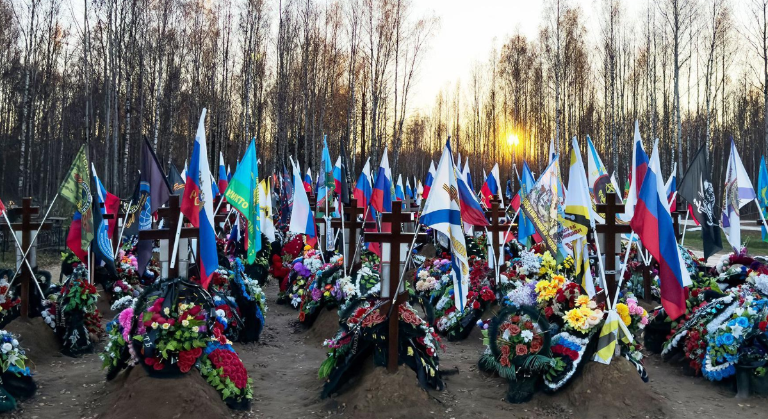
Since Russia launched its invasion, Kremlin authorities have maintained a veil of secrecy around military casualties. Official communications remain sparse and incomplete. In September 2022, Moscow acknowledged only 5,937 deaths. Since then, no further comprehensive casualty reports have been released, fueling persistent speculation about the true scale of losses.
Independent analysts and Western intelligence sources have long estimated Russian fatalities in the hundreds of thousands. But concrete evidence has been scarce—until now. The leaked Rosstat data, if genuine, could finally provide a rare window into the hidden demographics of Russia’s military fatalities, including combat deaths, battlefield injuries leading to death, and missing-in-action personnel presumed dead.
The ambiguity of the 412,576-death figure—whether it counts only combat deaths or extends to other wartime-related fatalities—highlights the urgency of thorough verification.
The silent demographic crisis unfolding across Russia
The human cost of the war extends far beyond battlefield fatalities. Russia is facing a slow-burning demographic crisis driven by wartime mobilization, mass casualties, and large-scale emigration. Regions like Siberia and the Russian Far East, already facing labor shortages and economic stagnation, are disproportionately affected by military recruitment drives.
Thousands of working-age men have either been killed, wounded, or forced to flee the country. The ripple effect on families is profound: grieving relatives, missing soldiers declared dead without official recognition, and communities left to cope with absences that may never be formally documented. For a nation already grappling with declining birth rates and an aging population, the war’s demographic impact may linger long after the last shot is fired.
From data theft to geopolitical game-changer: what’s next?
The cyber attackers behind the breach—reportedly including Belarusian hacktivist groups Silent Crow and Cyberpartisans—claim the documents were extracted directly from Rosstat’s internal systems. Russian authorities have acknowledged cyber intrusions but deny that sensitive data was compromised or made public. This official contradiction deepens the uncertainty surrounding the leak’s credibility.
Even if the numbers prove accurate, they require independent validation. Data selection, aggregation, and interpretation can introduce bias. Only through rigorous forensic analysis by neutral third parties can the true scope of Russia’s wartime losses be established. Yet one truth remains undeniable: the war in Ukraine has exacted a devastating human price on both nations.
As political narratives shift and territorial ambitions evolve, these hidden records serve as a stark reminder of the silent tragedy unfolding behind the scenes. Behind every statistic lies a life lost, a family shattered, and a nation forever changed—its future shaped not by victory, but by the weight of unspoken loss.