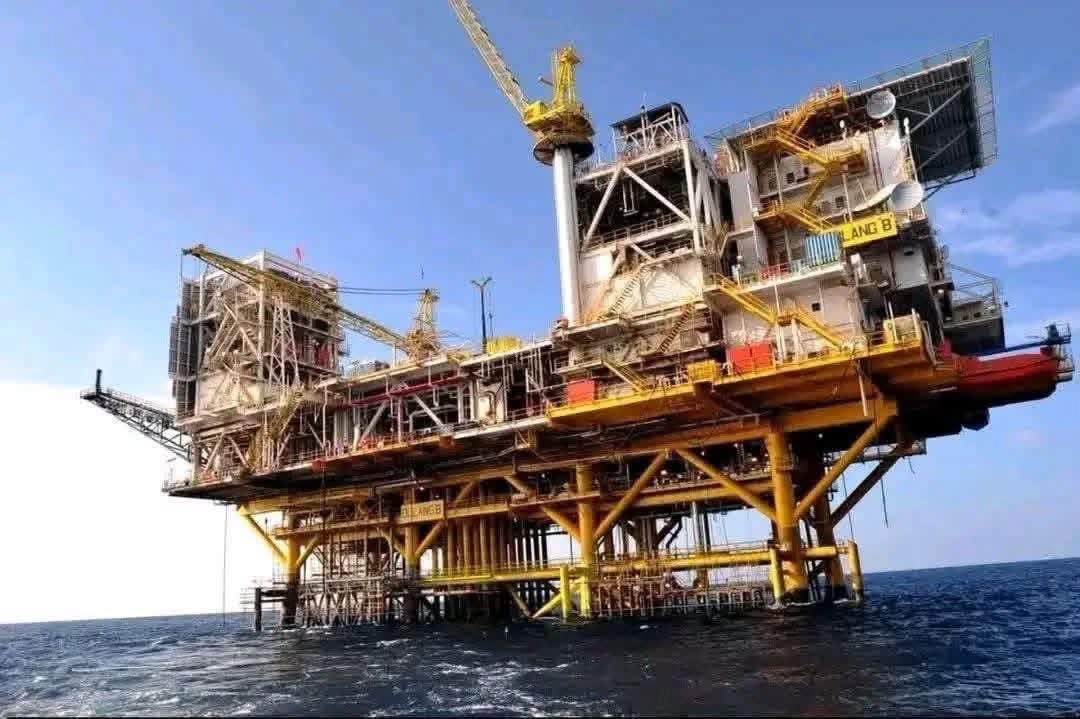

After decades of dormancy, a landmark moment is unfolding along Benin’s Atlantic coastline. The country has shipped its first commercial cargo of crude oil in nearly 30 years, signaling a quiet but meaningful shift in its economic and energy landscape. A tanker carrying approximately 330,000 barrels from the offshore Sème field is now en route to Rotterdam, marking the formal return of Benin as an oil exporter on the global stage.
Why Now? The Roots of a Long-Overdue Comeback
The restart of Sème field operations didn’t happen by chance. After its initial production phase from 1982 to 1998, the field went offline due to a combination of technical limitations, declining output, and shifting market conditions. What followed was not just a pause in production it was a near-total absence of the infrastructure, investment, and expertise required to revive it. That changed in 2026, when Akrake Petroleum Bénin, the field’s operator, completed rehabilitation work and resumed extraction in the first quarter of the year.
This revival reflects more than a technical achievement. It is the result of years of behind-the-scenes negotiations, feasibility studies, and strategic planning. The decision to restart operations hinged on a careful cost-benefit analysis: despite modest reserves compared to regional giants, the economic conditions rising global oil prices, improved extraction technology, and increased demand for African crude made a return viable. The fact that this shipment is headed to Europe underscores how Benin is positioning itself in a competitive, diversified energy market.
Beyond the Tanker: How Oil Reshapes a Nation’s Economic DNA
The immediate impact of this shipment is symbolic yet tangible. For a country whose economy has long relied on agriculture, port services, and trade, the export of crude oil introduces a new revenue stream. While Benin will not become a major oil producer overnight, the resumption of production allows the state to diversify its foreign exchange earnings and reduce reliance on volatile sectors.
Yet, the real transformation lies in the potential spillover effects. Offshore oil operations require a network of support services: logistics, marine engineering, supply chain management, and skilled labor. Local businesses now have an opportunity to integrate into this ecosystem, provided they meet technical and safety standards. The challenge ahead is ensuring that these opportunities translate into lasting job creation and skills development especially for young workers entering the labor market.
There’s also a strategic dimension. By re-entering the oil market, Benin signals to international investors that its energy sector is open for business. This credibility hinges not just on the ability to extract and export oil, but on maintaining regulatory stability, transparent contracting, and sustainable operations. The arrival of the Kriti Jade in Rotterdam is more than a logistical milestone; it’s a statement of intent.
Crude Reality: Why This Oil Won’t Immediately Cut Fuel Prices at Home
It’s important to clarify a common misconception: exporting crude oil does not automatically mean cheaper gasoline or diesel at the pump. Sème’s crude is a raw material, not refined fuel. Benin still lacks an operational refinery capable of processing its production onshore. For now, the country will continue to import refined petroleum products to meet domestic demand an arrangement that could persist for years.
That could change if further analysis supports the construction of a local refinery. Key considerations include the field’s long-term output, the quality of the crude, and whether processing it locally would yield higher economic returns than exporting raw. While such a project remains speculative, it highlights a strategic question: should Benin focus on extracting value through export, or invest in refining to capture more of the supply chain?
The Invisible Engine: How Sème Could Power Future Growth
The long-term benefits of Sème’s revival extend far beyond direct oil revenues. Offshore operations create demand for specialized services maritime transport, equipment maintenance, environmental monitoring, and safety compliance. These sectors can become hubs for innovation and employment, fostering a new generation of Beninese professionals in energy-related fields.
Moreover, the project could serve as a catalyst for broader industrial development. If structured with local content requirements, it could push domestic companies to upgrade their capabilities, meet international standards, and compete in higher-value segments of the energy industry.
This is not an abstract possibility. Similar models have emerged in Ghana and Senegal, where offshore oil has spurred ancillary industries and workforce training programs. Benin’s success will depend on its ability to replicate this model ensuring that the economic gains are shared broadly, not confined to a small circle of stakeholders.
The Sustainability Equation: Balancing Output, Costs, and the Environment
Operating an offshore oil field is a high-stakes endeavor. It requires continuous investment in technology, safety, and environmental protection. The risks are not only financial but ecological: oil spills, marine pollution, and disruption to coastal ecosystems are real threats that demand rigorous mitigation measures.
Sème’s production levels and long-term viability remain unproven. The initial 330,000-barrel shipment is a promising start, but sustained output will depend on reservoir performance, extraction efficiency, and global oil prices. Costs, too, must stay manageable if production becomes unprofitable, the project could stall, leaving behind stranded infrastructure and disappointed expectations.
For Benin, the challenge is to ensure that the benefits outweigh the risks. Transparency in revenue management will be critical. How much of the earnings will flow into public coffers? Will they be allocated to education, infrastructure, or social programs? Or will they be lost to inefficiency or mismanagement? The answers will determine whether this oil comeback becomes a true engine of development or just another missed opportunity.
A New Chapter for Benin’s Energy Ambitions
The shipment of crude from Sème field marks more than a commercial transaction; it represents the closing of a 30-year chapter in Benin’s economic history. It is a reminder that potential, once dormant, can be reawakened if the right conditions align.
The real test lies ahead. Will Benin use this moment to build a diversified, sustainable energy sector? Can it convert oil revenues into lasting infrastructure, skills, and opportunities? The answers will shape the country’s economic trajectory for decades to come. One thing is certain: the world is watching not just for the oil, but for the story behind it.
By Idriss MAMADOU — Journalist