Bodo/Glimt faces Union St. Gilloise in crucial Champions League return
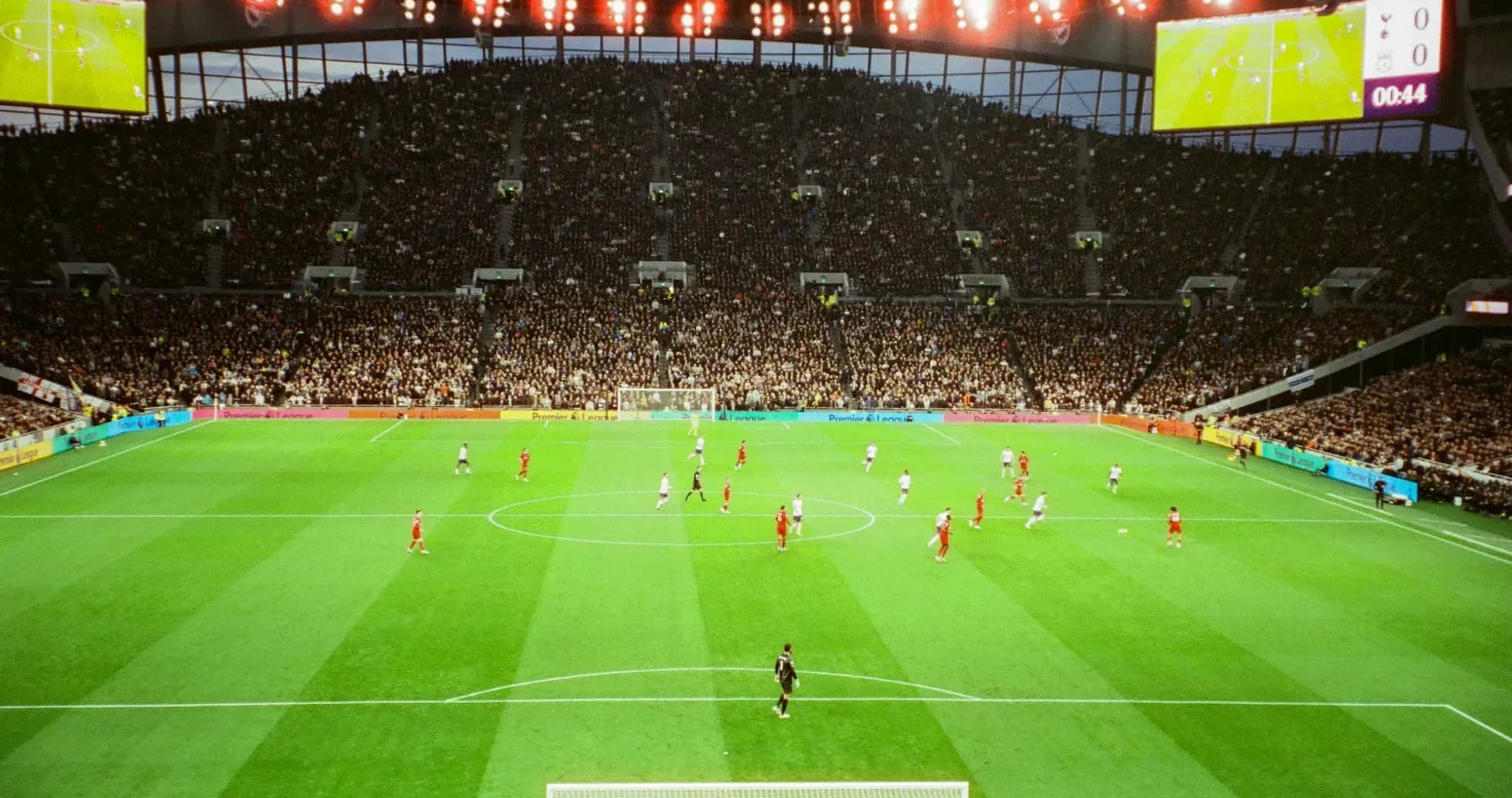
At the Aspmyra Stadion, the stakes could not be higher as Bodo/Glimt prepares to host Union St. Gilloise in a decisive UEFA Champions League second leg. After the thrilling 3-3 draw in the first meeting of the 3rd Qualifying Round, this return fixture becomes a sudden-death clash that could propel either side into the next stage—and shape their entire European campaign for 2026.
🔥🏆 Exclusive bet boost for readers: Put your football knowledge to the test! Use promo code PINBET2026 when placing your bet with Pin-Up. It’s simple: place 1 bet = get 1 Free Bet (up to $10). Don’t miss your chance to grow your betting balance ahead of the big match! 🎁 👉 Claim your Free Bet now ➔
Tactical preview of head-to-head battles
These two teams have already crossed paths twice in European competition. On October 4, 2024, during the UEFA Europa League League Stage 2 at the King Baudouin Stadium in Brussels, the match ended 0-0 after a cautious, low-scoring encounter. Fast forward to August 4, 2026, in the Champions League 3rd Qualifying Round first leg at AlbertPark in Oostende, and the result was again level—this time a high-scoring 3-3 draw, with the score tied 2-2 at halftime. Over two official meetings, the record stands at two draws: one goalless and one action-packed, confirming a closely matched rivalry where neither side has yet established dominance.
Season performance snapshot
- Current phase performance: In the 2026 UEFA Champions League, Bodo/Glimt has played one away match, drawing 3-3. Union St. Gilloise has also played one home match, ending 3-3. Both remain unbeaten but without a single victory—everything now hinges on this second leg in Norway.
- Season metrics: In the current Champions League stage, Bodo/Glimt averages 3.0 goals scored and conceded per game, with no clean sheets, one penalty won and converted, and a 4-3-3 formation. Union St. Gilloise matches these numbers exactly (3.0 goals for, 3.0 against, no clean sheets), playing in a 3-4-1-2 system. The Belgians show a higher yellow card rate, with bookings spread across the match, potentially complicating their ability to maintain intensity over 90 minutes.
- Current form rating: Both clubs are rated “D” in this Champions League campaign, reflecting a neutral start: one draw each, no wins or losses. Momentum isn’t swinging either way, but the side that tightens its defensive focus after the 3-3 thriller will likely come out on top.
Tactical efficiency analysis
The Champions League data reveals two attack-minded but defensively vulnerable teams: 3 goals scored and 3 conceded in a single game, with no defensive masterclass. Bodo/Glimt, in a 4-3-3, has shown creativity and penalty conversion, but its backline remains exposed, especially during fast transitions. Union St. Gilloise, operating in a 3-4-1-2, also generates plenty of offense, yet its three-at-the-back setup struggled when the pace increased—evident from the three goals conceded at home.
Attacking output appears nearly equal between both sides, while defensive solidity remains moderate, with lapses at critical moments. Discipline could be the deciding factor: Union St. Gilloise’s yellow cards were distributed throughout the game, suggesting occasional overaggression, whereas Bodo/Glimt’s cautions were concentrated in a short window, hinting at better emotional control. Over 90 minutes, reducing needless fouls and better defending in the box may matter more than pure attacking talent.
Season impact: what’s at stake
The stakes go beyond the pitch. Advancing to the next round would bring Bodo/Glimt or Union St. Gilloise closer to the group stage, delivering both sporting prestige and significant financial rewards. For Bodo/Glimt, a home victory would reinforce its reputation as a rising European force and strengthen its appeal to top players, while also securing domestic dominance. For Union St. Gilloise, overcoming this hurdle after the 3-3 draw would confirm its continental growth and position the club as a regular fixture in high-profile European nights.
Conversely, an early exit in the 3rd Qualifying Round would force the losing side to shift focus to domestic competitions or a less prestigious European path, resulting in a substantial loss of momentum and revenue. In such a tight contest, every nuance—card management, set-piece efficiency, bench depth—could redefine the season’s trajectory. The winner gains a realistic shot at making 2026 a breakthrough year in Europe, while the loser must reset expectations and refocus on domestic titles.