Kauno Žalgiris faces Dinamo Zagreb in crucial UEFA Champions League return
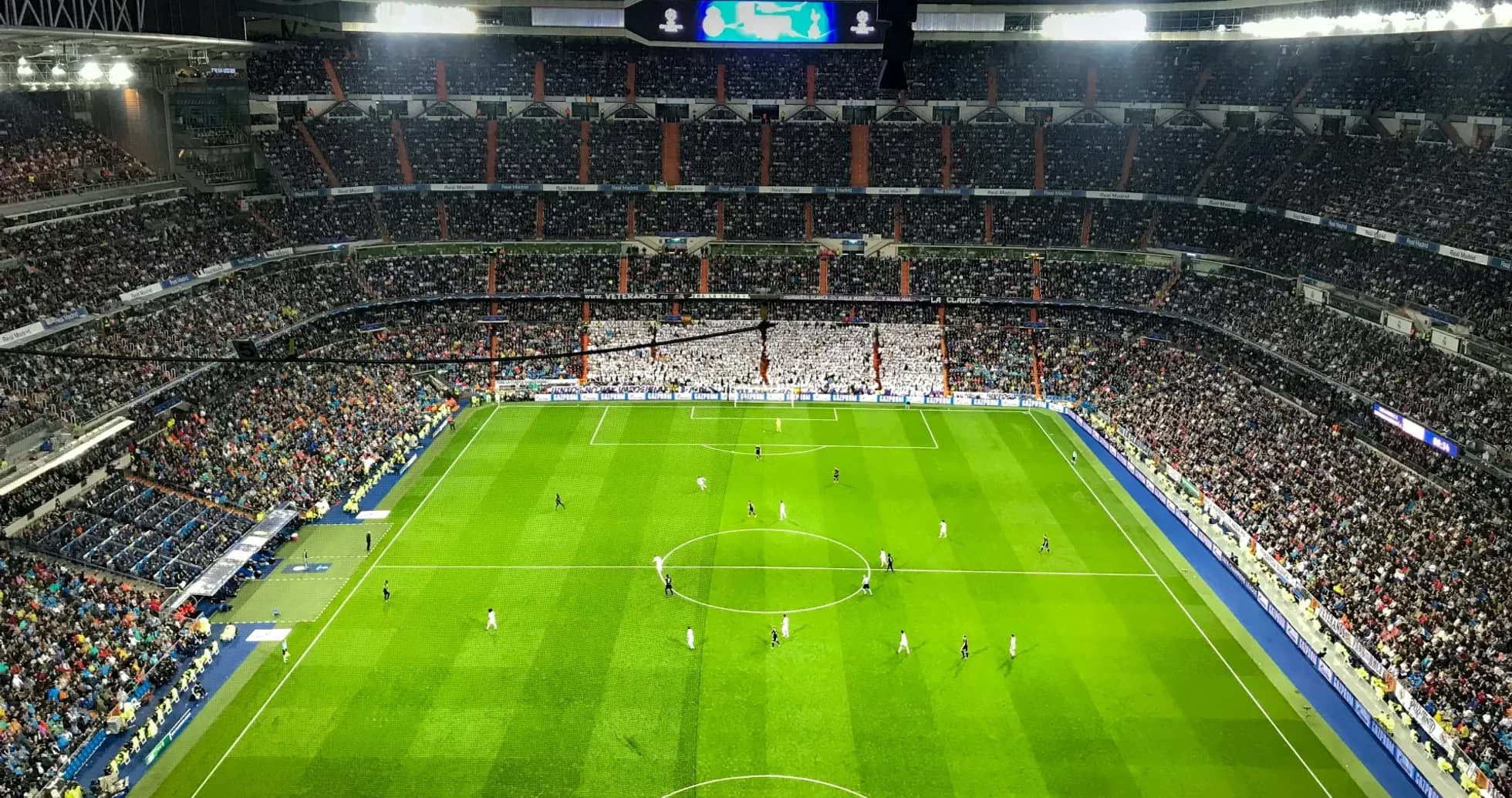
The highly anticipated second leg of the UEFA Champions League’s third qualifying round in Kaunas pits Kauno Žalgiris against Dinamo Zagreb, a match where the Lithuanian side faces an uphill battle. Following a crushing 5-0 away defeat in Zagreb, the home team’s primary focus shifts from overturning the deficit to salvaging some pride in European competition, while Dinamo Zagreb seeks to secure its progression to the next stage with professional consistency.
Quick betting tip for readers: Put your sports knowledge to the test! Use promo code PINBET2026 at Pin-Up to place a bet. It’s straightforward: wager on 1 bet = receive 1 Free Bet (up to $10). Don’t miss the chance to boost your betting balance ahead of the next big match! 🎁
Head-to-head tactical breakdown
The two sides have clashed just once before this return fixture, on August 4, 2026, at Stadion Maksimir in Zagreb, also in the UEFA Champions League’s third qualifying round. Dinamo Zagreb dominated from the outset, emerging 5-0 victors after leading 2-0 at halftime. The scoreline underscored a clear disparity in quality and execution, with Dinamo controlling play across both halves while Kauno Žalgiris struggled defensively and failed to create meaningful chances.
Season performance overview
- Current campaign form: Kauno Žalgiris has managed 2 wins, 2 draws, and 1 defeat in five UEFA Champions League qualifiers, scoring 5 goals while conceding 8. Dinamo Zagreb, meanwhile, has played three matches, netting 9 goals and conceding 3, boasting 2 wins and 1 draw without a single loss.
- Seasonal indicators: Kauno Žalgiris averages 1.0 goal scored and 1.6 conceded per game, with two clean sheets but also two scoreless draws. Dinamo Zagreb fires in 3.0 goals per match while conceding just 1.0, demonstrating an ability to deliver heavy victories (as seen in the 5-0 win) while maintaining overall defensive solidity. The Croatian outfit has deployed three formations (4-2-3-1, 4-1-4-1, 4-3-3), showcasing tactical adaptability.
- Momentum analysis: Kauno Žalgiris enters the match on a mixed run of results (Draw-Win-Draw-Loss), a sequence that highlights a team capable of earning points but now grappling with the psychological weight of a heavy defeat. Dinamo Zagreb, undefeated with a sequence of Draw-Win-Win, is riding a wave of increasing confidence as it prepares to travel to Lithuania.
Tactical efficiency analysis
The current campaign’s statistics reveal structural imbalances. Kauno Žalgiris concedes more goals (1.6 per match) than it scores (1.0), with particular defensive frailties on the road (7 goals conceded in three away matches) and two scoreless performances. Their 4-1-4-1 setup aims to strengthen midfield control, yet the 5-0 reverse in Zagreb exposed its inability to contain Dinamo Zagreb’s attacking prowess.
Dinamo Zagreb, by contrast, boasts a lethal attack, scoring in every match (9 goals in 3 games, 8 at home) and averaging just 1 goal conceded per fixture. While not flawless defensively, their defensive record is respectable given their offensive output. The team’s tactical versatility—shifting between 4-2-3-1, 4-1-4-1, and 4-3-3—allows them to balance control with attacking fluidity, a combination likely to translate into a cautious yet threatening approach in Kaunas. Given Kauno Žalgiris’ defensive vulnerabilities and Dinamo’s attacking efficiency, the Croatians remain heavy favorites, even in an away fixture.
Match implications for the season
For Kauno Žalgiris, this return leg is primarily symbolic and strategic. The realistic objective is to minimize damage, restore defensive solidity on home soil, and secure a positive result that could serve as a confidence booster for future European campaigns and domestic competitions. A heavy defeat would severely undermine the club’s credibility and complicate its ability to attract talent and investment.
For Dinamo Zagreb, qualification is already all but secured after the 5-0 first-leg win. A professional performance in Kaunas—regardless of style—would validate their progression while reinforcing their reputation as a habitual contender in UEFA Champions League qualifiers. Managing the squad’s workload and fitness in this match will also be critical as they prepare for sterner tests in the rounds ahead, where the level of opposition will rise significantly. Ultimately, the result will confirm—or challenge—Dinamo Zagreb’s capacity to uphold its favorite status throughout the 2026 European campaign.