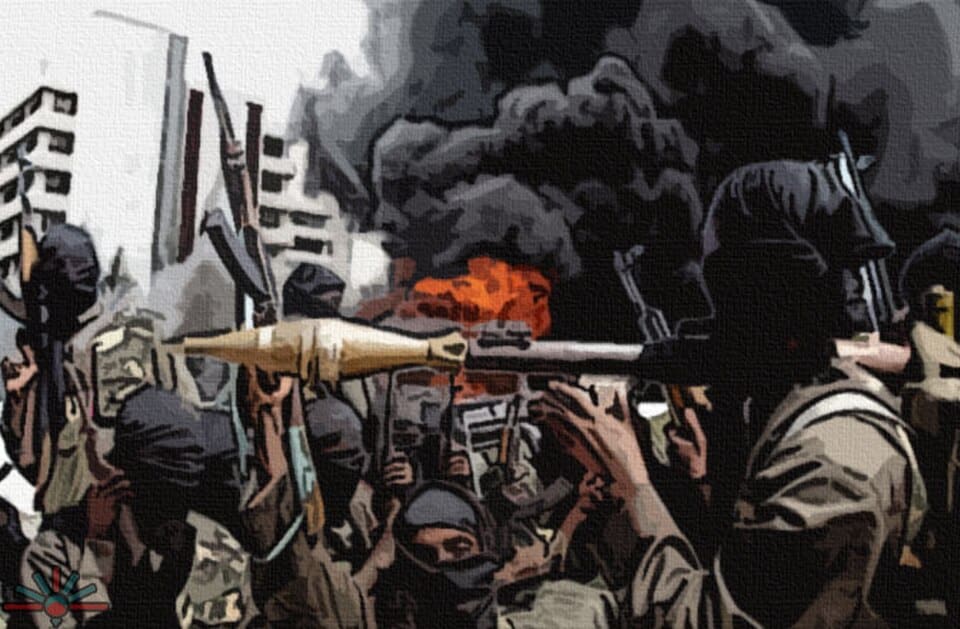

Exclusive field research reveals how the Boko Haram insurgency is integrating artificial intelligence into its operational planning, from technical troubleshooting to attack preparation. This development marks a significant shift in terrorist capabilities, forcing intelligence agencies and tech companies to rethink their counterterrorism strategies.
AI as a tactical advisor for Boko Haram fighters
For years, terrorism analysts warned that jihadist groups would eventually weaponize emerging technologies. Fresh evidence now confirms these suspicions, showing that Boko Haram has operationalized AI tools since 2023.
A groundbreaking investigation conducted by independent researchers, based on interviews with former Boko Haram members, demonstrates how generative AI models are being used beyond propaganda purposes. Fighters now consult these systems for real-time technical guidance, operational planning support, and post-attack analysis.
One former commander revealed that combatants view AI as an infinite knowledge source, capable of addressing virtually any operational question. While these systems sometimes provide inaccurate or incomplete responses, their perceived reliability has boosted fighters’ confidence in using them for critical decision-making.
Researchers emphasize that AI complements rather than replaces human expertise. It functions as a digital advisor that accelerates information gathering and enhances tactical decision-making. The tools are consulted at every operational stage – from pre-mission planning to post-operation review, helping identify and correct tactical errors.
This evolution represents a paradigm shift in terrorist operations. Previous studies focused primarily on online radicalization and recruitment. Now, AI has become integrated into the daily functioning of an active terrorist organization.
A threat that extends far beyond Nigeria’s borders
The findings raise serious concerns among counterterrorism experts across West Africa and the Sahel region. Boko Haram, which has caused thousands of deaths since its 2002 founding in Nigeria, may only represent the vanguard of a broader trend.
Researchers believe other armed groups could rapidly adopt similar capabilities as AI tools become more sophisticated and widely accessible. While current AI systems still have significant limitations – including the potential for factual inaccuracies and technical errors – they dramatically reduce the time required for information retrieval and problem-solving.
This democratization of advanced technology changes the nature of the threat. Unlike specialized military equipment, AI tools can be accessed through standard internet-connected devices. They provide capabilities that were previously reserved for experts or required extensive documentation.
Security experts warn that AI development companies must strengthen safeguards against malicious use. While current filters block explicit requests for weapons or explosives, determined users continuously develop new methods to bypass these restrictions through carefully crafted queries.
The report concludes that intelligence agencies must now incorporate AI analysis into their assessments of terrorist capabilities. Monitoring communication networks and financial flows is no longer sufficient – agencies must also track how groups are leveraging civilian technologies.
The new arms race in counterterrorism technology
The Boko Haram case exemplifies a fundamental shift in modern conflict. Digital innovations now spread faster than ever before, and their adoption isn’t limited to states or major corporations.
Terrorism analysts note that armed groups typically adopt new technologies based on practical utility rather than novelty. AI doesn’t fundamentally transform military capabilities but provides critical advantages in efficiency, knowledge access, and operational planning.
Governments face an urgent need to enhance cooperation between intelligence services, academic researchers, and AI developers. The goal is to better understand how terrorist organizations are using these tools, anticipate potential misuse, and develop more effective protection mechanisms.
This investigation represents one of the first documented cases of generative AI integration within an active terrorist organization. It confirms that the AI revolution isn’t just transforming economies and daily life – it’s becoming a crucial new dimension in international security.