Boussouma’s fall sparks national outcry as armed groups close in on Ouagadougou
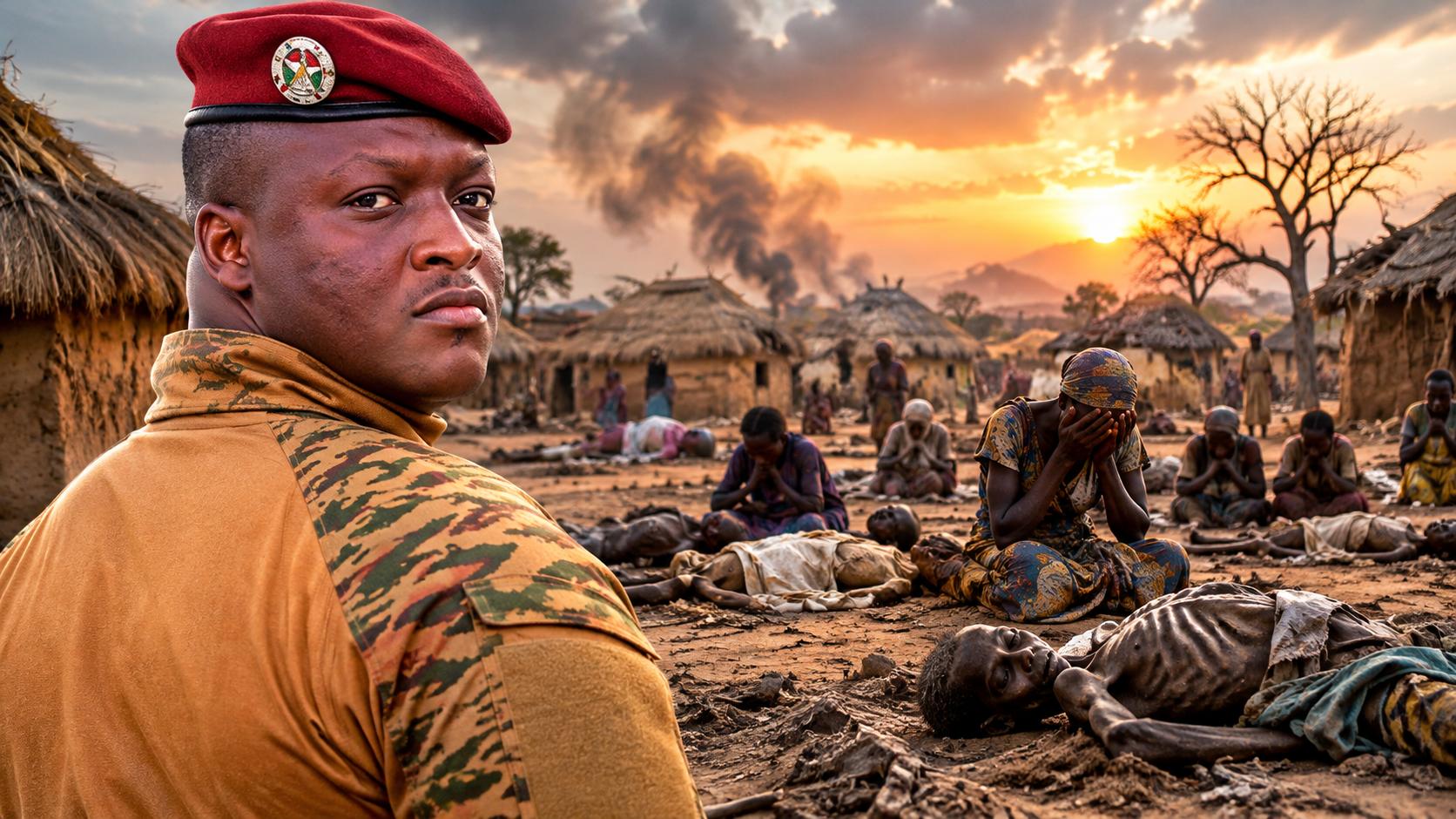
The forced emptying of Boussouma, a village barely 77 kilometres north-east of Ouagadougou, has triggered a wave of reactions across Burkina Faso and beyond. What was once a bustling crossroads and a symbol of community cohesion now stands deserted, its residents driven out by the relentless advance and entrenchment of armed terrorist groups. The scale of the displacement — and the proximity of the collapse to the capital — has ignited a fierce public debate about the direction of the country’s security strategy.
A reform that weakened the community’s defences
The security breakdown did not happen in a vacuum. It followed the recent reorganisation of administrative and traditional structures imposed by the authorities. By dismantling local customary authorities and disrupting the historic administrative network — through the application of legislation on the status of customary chieftaincy (law no. 002-2026/ALT) and adjustments within the royal court of Boussouma — the central government shattered the social shield and informal security anchor that had held the area together.
That institutional vacuum, and the loss of bearings it created, was quickly interpreted on the ground as a green light for armed groups. Exploiting the weakened traditional structures that had once provided community relay and local intelligence, the attackers moved in to impose their control.
Reactions mount as the noose tightens around the capital
The gradual entrenchment of armed groups and the near-total exodus from Boussouma mark a critical stage in the country’s security decline. The sight of a village less than 80 kilometres from the capital being emptied under terrorist pressure has laid bare the extent of the state’s territorial retreat.
Displaced families are streaming into neighbouring localities or trying to reach the outskirts of Ouagadougou in complete destitution. Their plight has amplified calls for a rethink of the institutional reforms currently under way, which many local populations see as disconnected from the life-or-death urgencies on the ground.
What comes next for Boussouma and the wider region
The abandonment of Boussouma now raises urgent questions about the future. Will the displaced ever be able to return? Can the traditional chieftaincy be restored in a way that rebuilds community trust? And, more broadly, does this episode signal that armed groups are now able to operate with impunity within striking distance of the capital?
As the public debate intensifies, the case of Boussouma stands as a stark warning: without a coherent strategy that re-engages local communities and restores their protective structures, the security crisis risks creeping ever closer to the nation’s heart.