Pope Leo XIV’s France visit: the reactions, the debate and what happens next
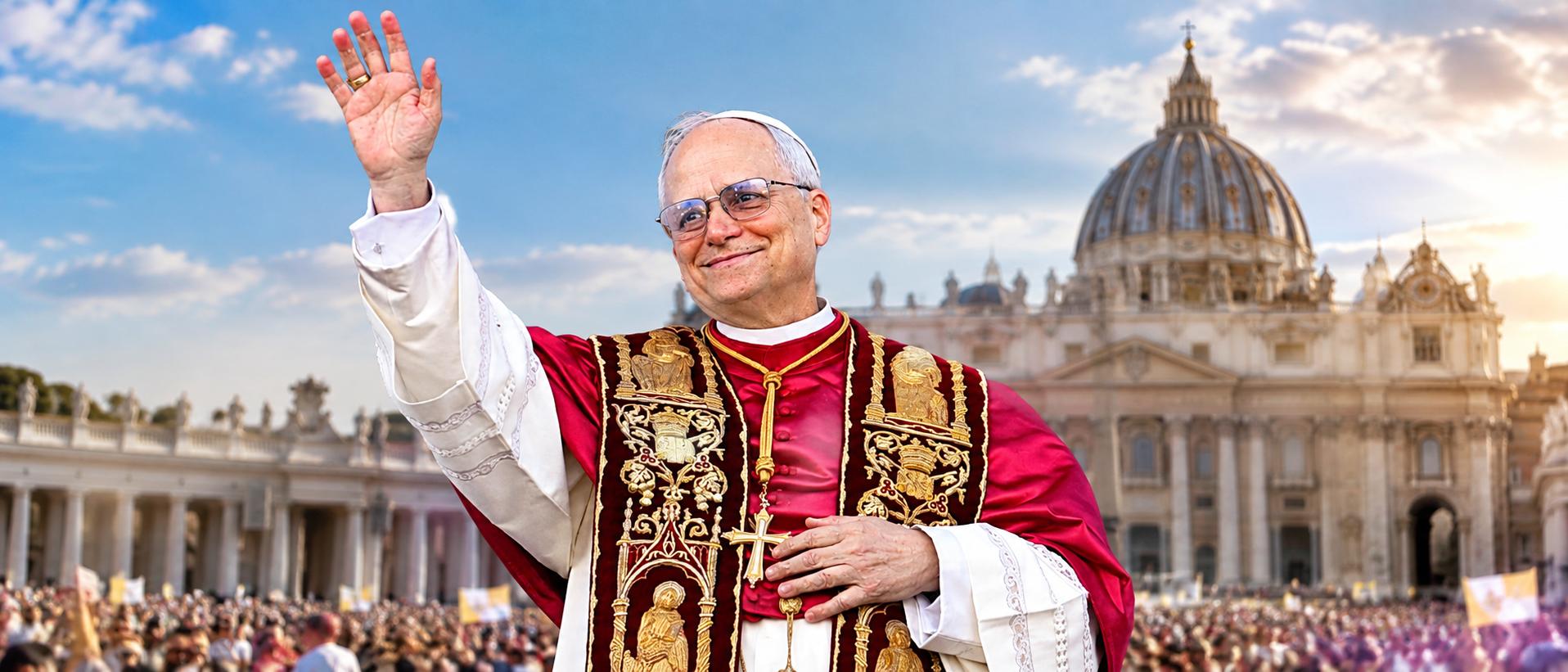
France is bracing for a landmark ecclesial and diplomatic moment as Pope Leo XIV arrives for a four-day apostolic journey that will take him from Paris to Saint-Denis, then to the Marian sanctuary of Lourdes, and finally to Metz. The visit, his first official trip to the country since his election, has already sparked widespread reactions and intense debate, and it is set to shape the conversation for months to come.
A state welcome and a packed Paris agenda
The pontiff is due to land at Paris-Orly airport on the morning of Friday 25 September. As he steps off the plane, church bells across France will ring out for seven minutes to mark the occasion. From that moment, the pope embarks on a demanding schedule that blends institutional duties with pastoral outreach.
- Diplomacy and institutions: A meeting with the president at the Élysée Palace, followed by an address to the diplomatic corps and a highly anticipated speech at UNESCO headquarters in the afternoon.
- Connecting with the public: A popemobile ride through the capital, from Notre-Dame des Champs church to Place Saint-Michel, ahead of vespers at Notre-Dame Cathedral.
- Youth gathering: In the evening, the pope will lead a large vigil with more than 75,000 young people at the Stade de France in Saint-Denis, where the Holy Tunic of Argenteuil will be displayed for the occasion.
On Saturday 26 September, the focus shifts to the vulnerable: the pope will visit the Maison Bakhita in the 18th arrondissement, exchange with the synodal assembly at the Institut Catholique de Paris, and then celebrate an open-air mass between Place de la Concorde and the Champs-Élysées.
Lourdes pilgrimage and a European finale in Metz
On Saturday evening, the pope flies to Tarbes-Lourdes on a special flight operated by Air France. Sunday 27 September is dedicated entirely to the Marian sanctuary: prayer at the Grotto of Massabielle, a Sunday mass on the Prairie before more than 150,000 faithful, encounters with the sick, and a torchlight procession.
The journey concludes on Monday 28 September in Lorraine. In Metz, Leo XIV will hold an ecumenical meeting centred on “the roots of Europe, peace and unity,” before presiding over a final mass at Saint-Étienne Cathedral and returning to Rome in the early evening.
Reactions from across society
The announcement has triggered a wave of responses from political leaders, church officials, civil society groups and ordinary citizens. Supporters see the visit as a moment of unity and hope, while critics question its cost and political implications. Public debate has been particularly lively around the pope’s planned address at UNESCO and his meeting with the president, with commentators weighing the potential impact on France’s secular traditions.
Local communities in Paris, Saint-Denis, Lourdes and Metz are preparing for an influx of pilgrims and visitors, raising expectations for economic benefits but also concerns about logistics and security. Interfaith groups have welcomed the ecumenical dimension, hoping it will foster dialogue among different Christian denominations and beyond.
What comes next
As the visit approaches, attention is turning to its long-term consequences. Observers will be watching for any shifts in church-state relations, the tone of public discourse on religion, and the mobilisation of young Catholics. The pope’s words and gestures could influence debates on social justice, migration and European identity.
Beyond the immediate spectacle, the journey is likely to leave a lasting mark on how France perceives the Catholic Church and how the Church engages with a rapidly changing society. The reactions and debates set in motion this week will continue to unfold long after the final blessing in Metz.