
Building community resilience and peace in Niger through inclusive dialogue
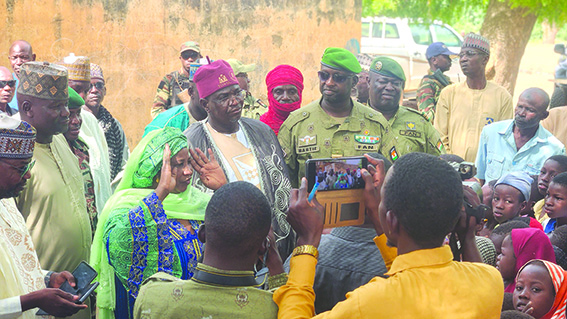
Across multiple regions in Niger, communities face persistent security threats and terrorist attacks that disrupt daily life. In response, a growing movement is emerging—one that prioritizes inclusive dialogue as a cornerstone for sustainable peace and social cohesion. This approach recognizes that lasting stability cannot be achieved by government alone; it requires the active involvement of every segment of society.
the power of inclusive dialogue in shaping peace
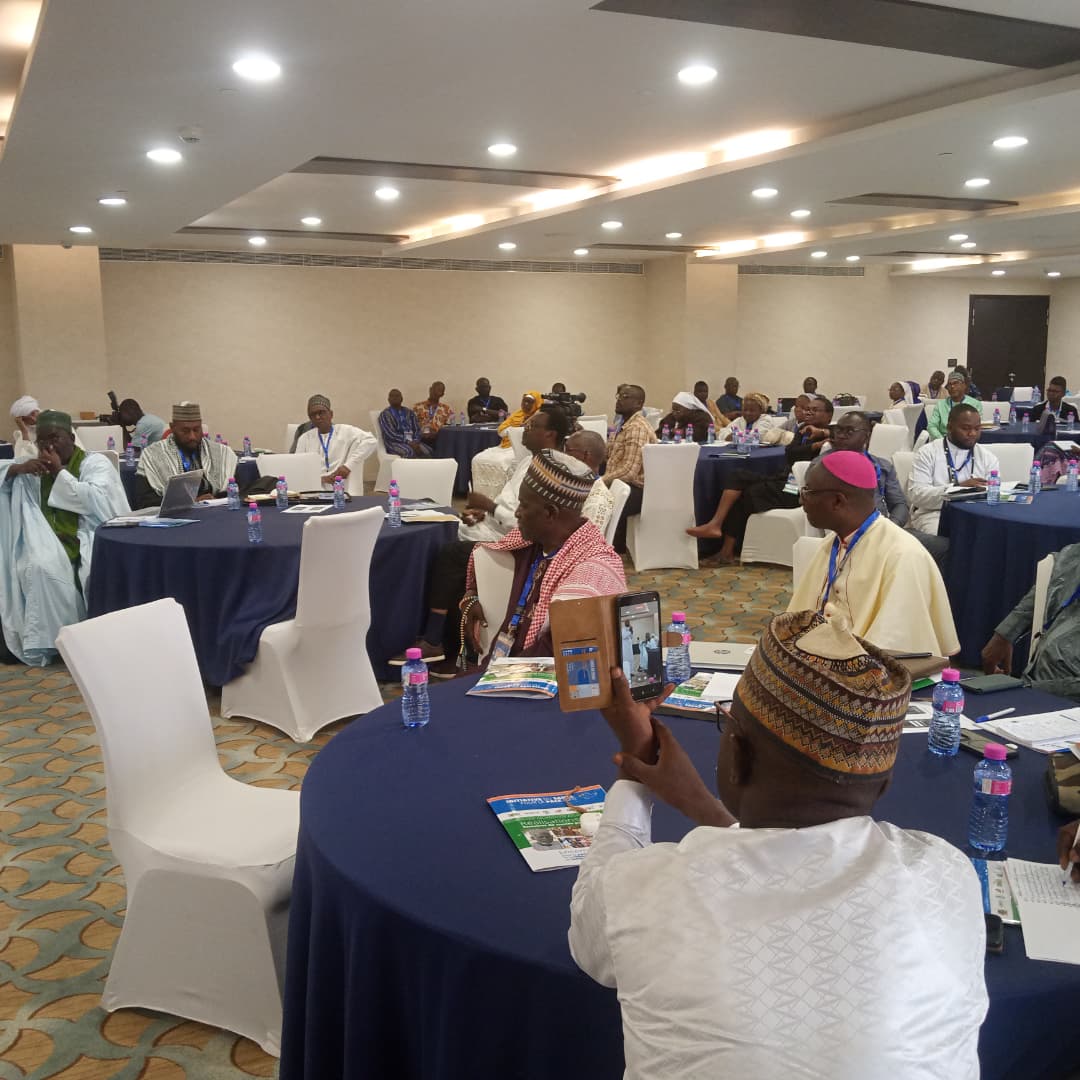
At the heart of Niger’s peacebuilding strategy is a bold commitment to inclusive dialogue. The first national forum of the Sahel Peace Initiative (SPI), held in Niamey on June 23–24, 2026, brought together a diverse coalition: community leaders from conflict zones, religious figures, security experts, youth representatives, and local officials. Together, they crafted a solidarity pact aimed at strengthening citizen engagement and collective resilience.
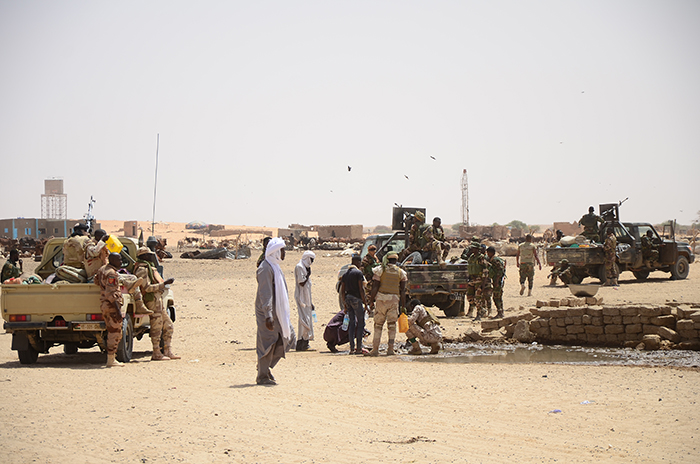
This forum underscored a critical truth: peace is not merely the absence of violence but the presence of trust, participation, and shared responsibility. By integrating voices from the most affected areas—including Tera, Makolondi, and Torodi—Niger is building a grassroots-driven peace agenda rooted in local realities.
voices from the frontlines: hope amid hardship
The security situation remains precarious in many parts of Niger. While government forces maintain regular patrols, the threat of armed groups looms large. Residents in Tera, Makolondi, and Torodi acknowledge the sacrifices made by defense and security forces, yet day-to-day life is still marked by fear and uncertainty.
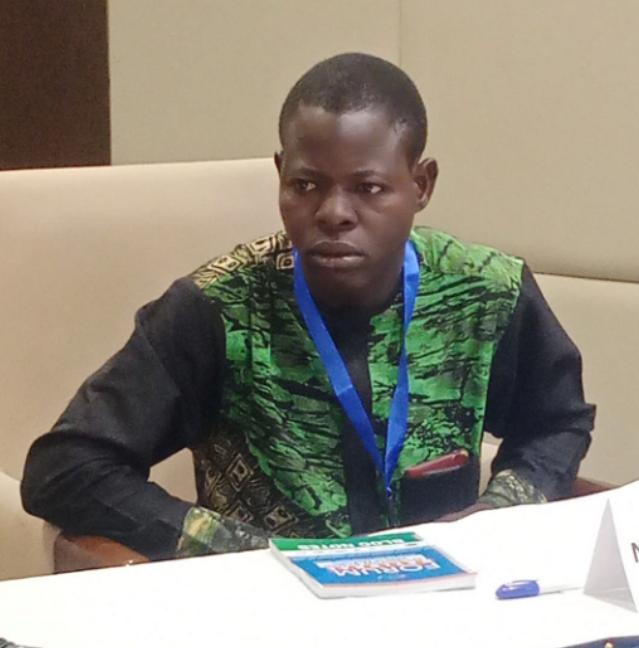
Seydou Hamidou, a youth leader from Bantéri in Makalondi’s rural commune, shares the daily struggles of young people in his community: “Without security, our youth face forced recruitment by armed groups, school dropout, and unemployment. Many are forced to flee the country. Bandits block our access to farmland, steal livestock, impose illegal taxes, and restrict our movement. Even those who wish to join the national army face threats—not only to themselves but to their families.”
Victor Harouna, a resident of Téra, highlights the economic toll of insecurity: “Transportation costs have skyrocketed. What once cost 3,000 CFA francs now demands 10,000 or even 15,000. Crops are sabotaged, and displaced families—once helped by military interventions—now struggle to rebuild their lives.”
Amina, a resident of Torodi, speaks for women across the region: “Women bear the heaviest burden. Many have lost husbands, seen children drop out of school, or been displaced with no means to survive. We call on authorities to increase military presence—not just for protection, but to restore dignity and hope.”
state-led efforts to restore stability and rebuild communities
The Nigerien government, through the National Council for the Safeguard of the Homeland (CNSP), has intensified efforts to stabilize the country and foster national cohesion. Central to this strategy is the High Authority for Peace Consolidation (HACP), a presidential body dedicated to peacebuilding, conflict prevention, and social resilience.
The HACP focuses on empowering local actors—community leaders, youth, and women—through capacity-building, peace education, and psychosocial support. It also collaborates with municipal councils to deliver development projects in conflict-affected areas.
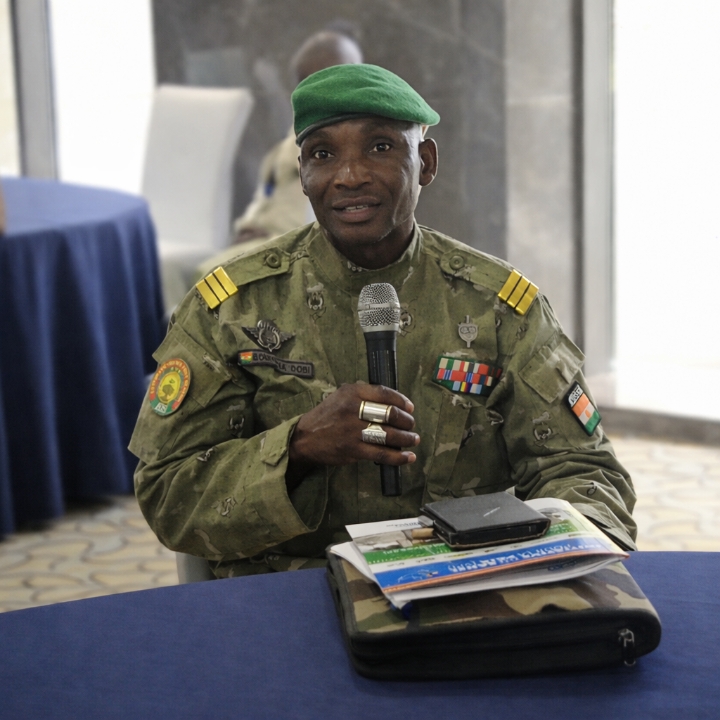
Captain Boureima Dobi, Prefect of Torodi, reports progress: “Over 800 displaced individuals have returned home in Makalondi thanks to military operations. A second wave of returns is being prepared. The State is not idle—we continue to provide food and support to returnees, and we call on all citizens to reject complicity with terrorists. Recently, four individuals surrendered their weapons and reintegrated into society. Through dialogue and sensitization, we are fostering a culture of patriotism and collective responsibility.”
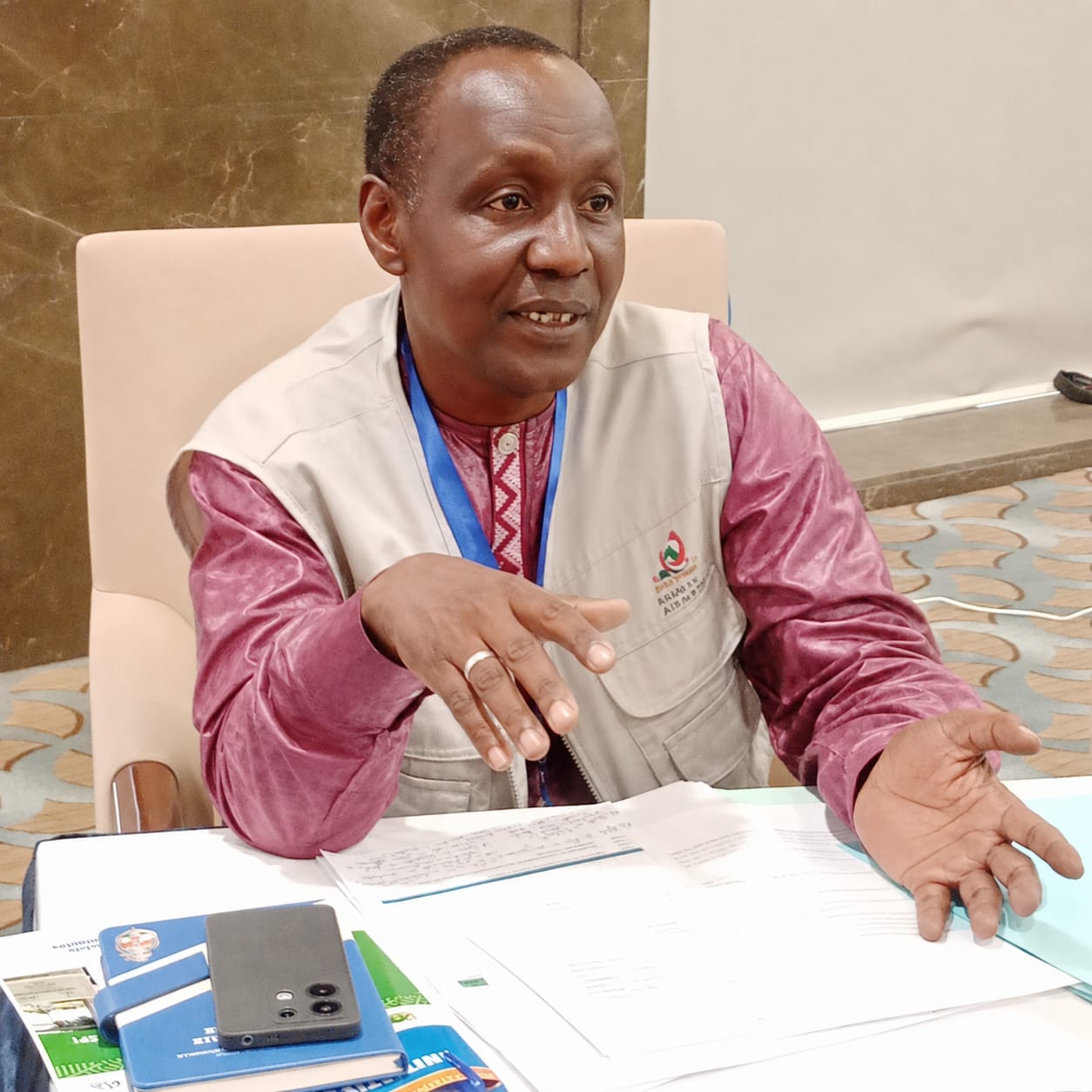
The HACP’s Boubacar Hamidou emphasizes the importance of local ownership: “We invest in community leaders, youth, and women to restore trust between citizens and institutions. We prevent conflicts, mediate disputes, and deliver development projects—always in partnership with local governments.”
the Sahel Peace Initiative: a regional alliance for local peace
The Sahel Peace Initiative (SPI), launched in 2019 under the umbrella of West African Episcopal Conferences and partners like the CJP Burkina, is a regional network promoting social cohesion and community resilience. It brings together Christian and Muslim communities across the Sahel—Niger, Mali, Burkina Faso—with a shared mission: to counter violent extremism through dialogue, interfaith collaboration, and inclusive peacebuilding.
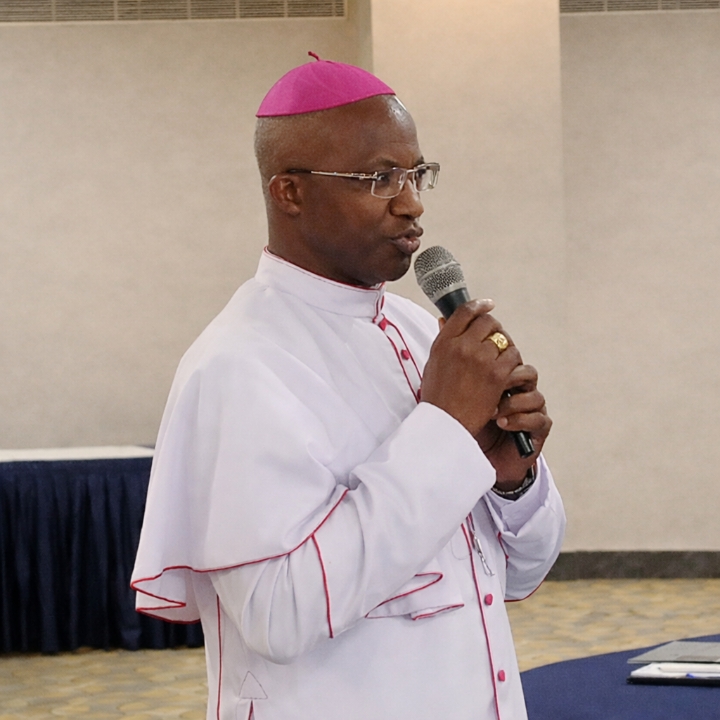
During the Niamey forum, Archbishop Laurent Lompo of Niamey stressed the urgency of dialogue: “We must foster peace through community gatherings and intergenerational forums that unite men, women, and youth. These platforms allow us to address security challenges together and build a future rooted in shared values.”
The SPI’s work spans capacity-building for peace actors, youth employment, peace education, citizen leadership, digital innovation for peace, community resilience, and the dissemination of best practices. The Niamey forum culminated in actionable recommendations to strengthen social cohesion and stability across Niger.
religious leaders and women: pillars of peace and resilience
Religion plays a pivotal role in Niger’s peace narrative. Extremist groups often exploit faith to justify violence, making religious leaders indispensable in countering hate speech and fostering coexistence.
The National Committee for Intra- and Interreligious Dialogue (CDIR) emerged in response to Boko Haram’s rise in Diffa and has since expanded nationwide. Its mission: to dismantle hate speech, mediate communal conflicts, and promote peaceful coexistence rooted in shared cultural and religious values.
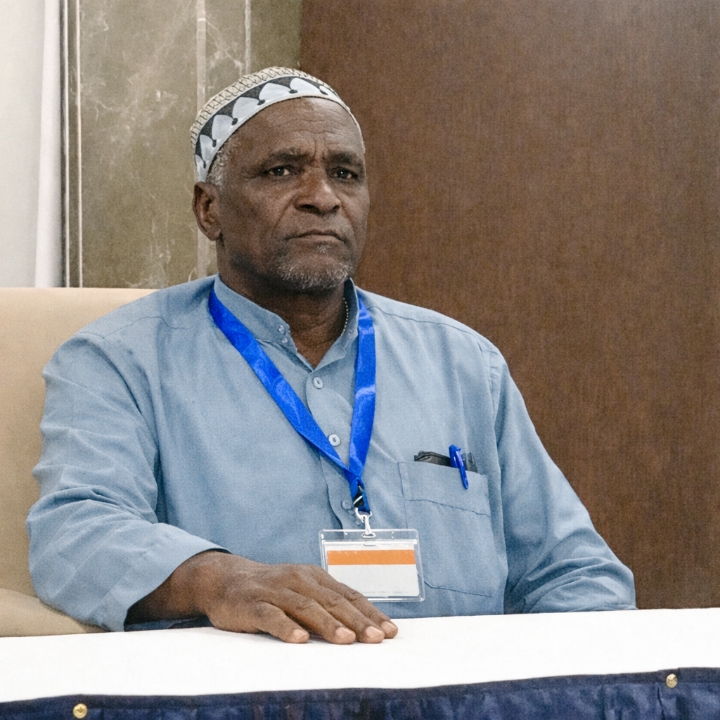
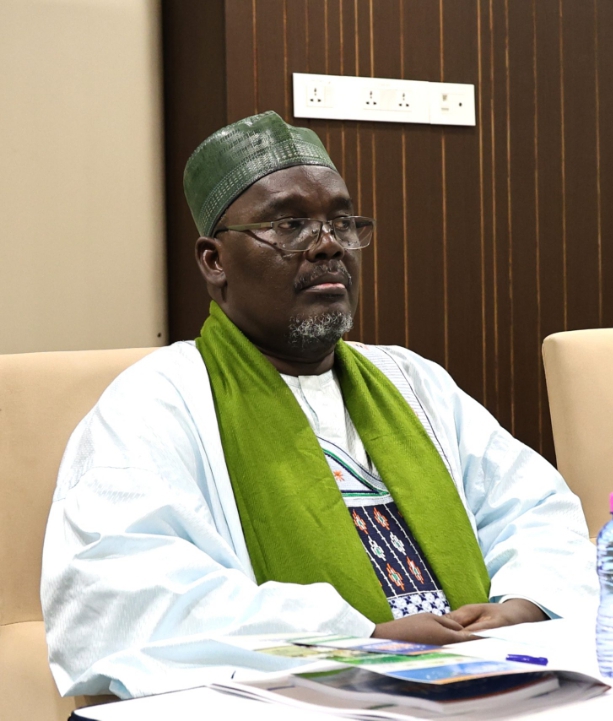
Cheikh Barham Aboubacar, CDIR’s national coordinator, explains: “Our goal is to eliminate tensions fueled by inflammatory sermons and rhetoric. We resolve land and intercommunal disputes—often misrepresented through religious lenses—by fostering mutual understanding and defusing sensitivities that could spark unrest.”
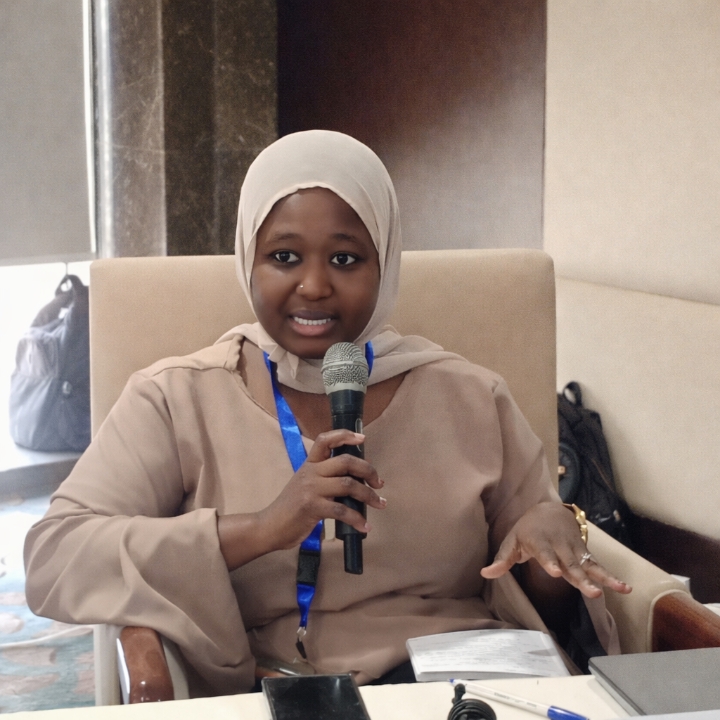
Women, too, are vital to peacebuilding. Through networks like the NGO Femmes, Actions et Développement (FAD), they drive income-generating projects, advocate for girls’ education, and champion inclusive governance. Amina Boukary, FAD’s partnership coordinator, insists: “Women represent half the population. Their needs—education, participation, leadership—must be central to peace and development strategies. We need stronger support for women’s leadership in local peace mechanisms.”
media’s role in amplifying peace and countering misinformation
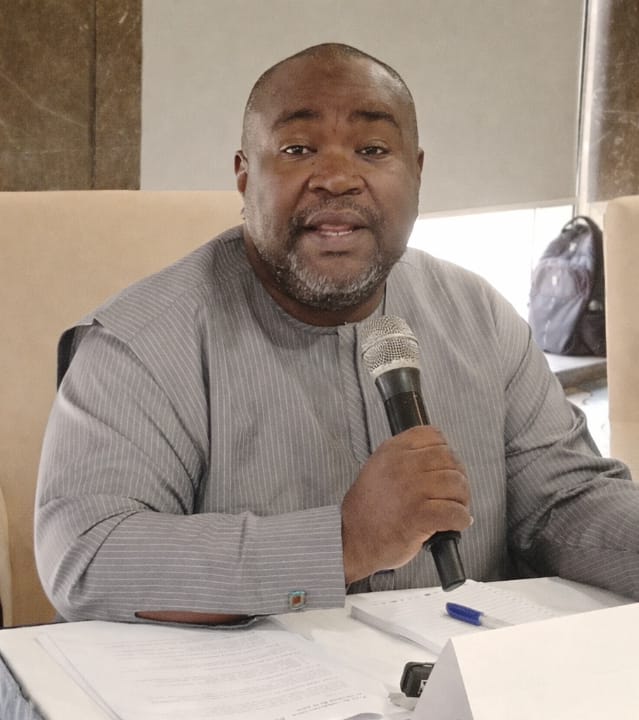
In times of crisis, community media—especially local radio—serves as a lifeline. Alhassane Mahamane, Editor-in-Chief of Studio Kalangou, notes: “Community radio stations are non-profit platforms that educate, sensitize, and amplify local voices. They address real concerns and prioritize community development. We must leverage this tool to combat rumors, hate speech, and disinformation that fuel division.”
A lasting peace in Niger demands the mobilization of every citizen. From government initiatives to grassroots dialogue, from religious coalitions to women-led networks, and from community media to local peace committees, the path forward is clear: resilience is built through unity, participation, and shared responsibility.