
Burkina Faso military junta faces hidden power struggles
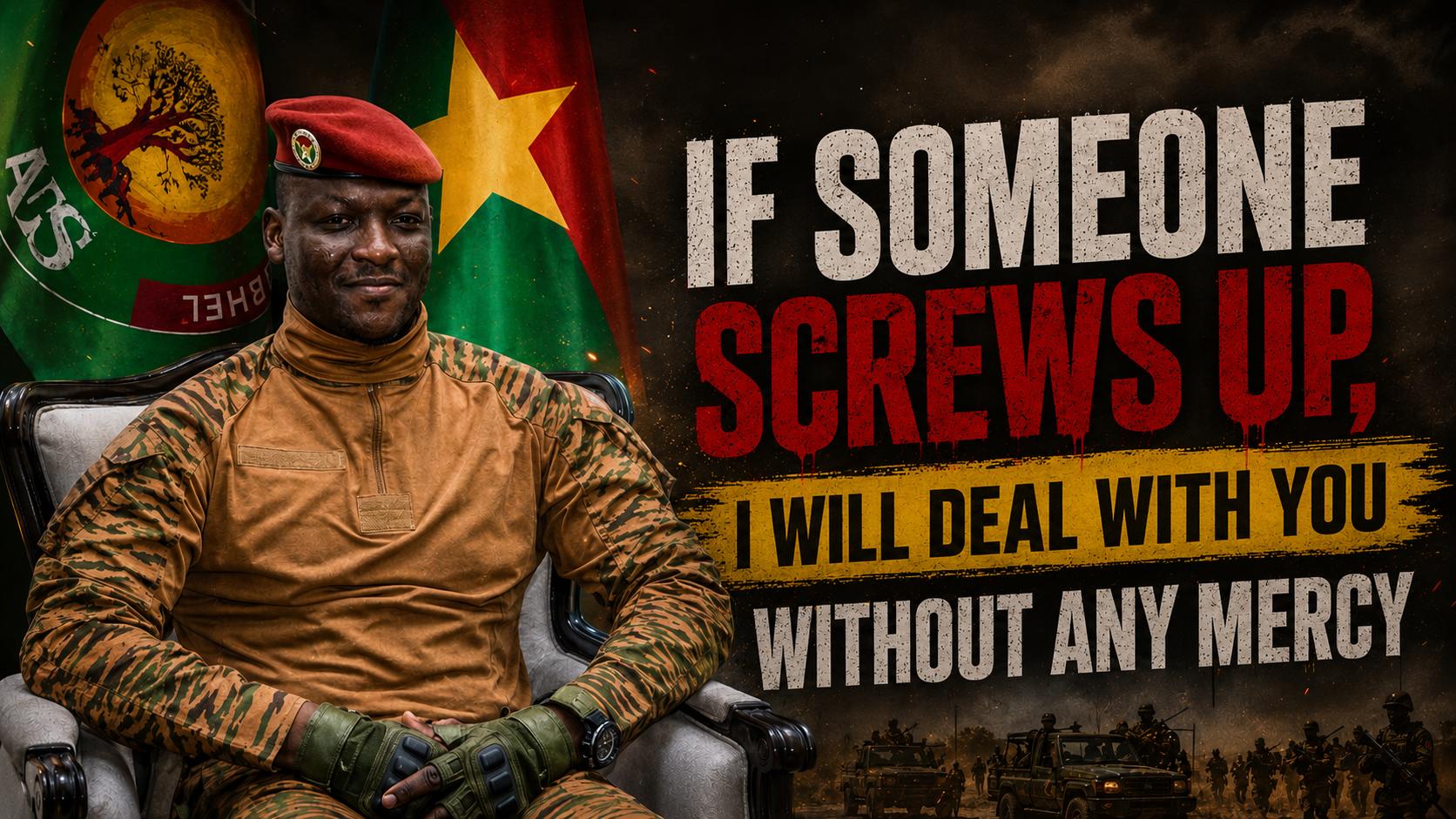
The stern declarations from Captain Ibrahim Traoré, such as his blunt warning that dissent will be crushed without hesitation, reveal a simmering yet intense battle for influence within Burkina Faso’s military and transitional government.
Beneath the bravado lies a troubling reality: persistent rumors of internal divisions and leadership disputes continue to swirl within the armed forces. Whispers of potential destabilization efforts and disagreements over command structures highlight the fragile undercurrent of Burkina Faso’s current political and military landscape.
Deep divides within the military
Since the September 2022 coup, maintaining unity within the armed forces has become a pressing challenge. Tensions have emerged over strategic decisions, including territorial security operations and the allocation of leadership roles. The ongoing struggles against armed groups on the ground have intensified pressure on command chains, breeding frustration and factional disputes.
These fractures are visible in the growing mistrust between key military units and even among senior officers. Some question the tactical choices made by the transitional leadership, while others criticize the broader political direction of the regime.
Heightened surveillance and internal distrust
In response to these tensions, presidential intelligence services have tightened their monitoring of officers and non-commissioned officers deemed disloyal or hesitant. Recent months have seen multiple arrests and dismissals, as the government seeks to preempt any signs of rebellion before they gain momentum.
This climate of pervasive suspicion forces military leaders to publicly display unwavering loyalty, even as private conversations about the future of the transition fuel unrest in barracks across the country.
Uniting against the threat of instability
For Captain Ibrahim Traoré, quelling internal rivalries is essential to preserving national stability. With each crack in the leadership potentially inviting exploitation by adversaries or external actors, the junta’s top ranks are tightening their grip. The use of harsh rhetoric, such as Traoré’s uncompromising stance, serves as a warning to deter any form of dissent.