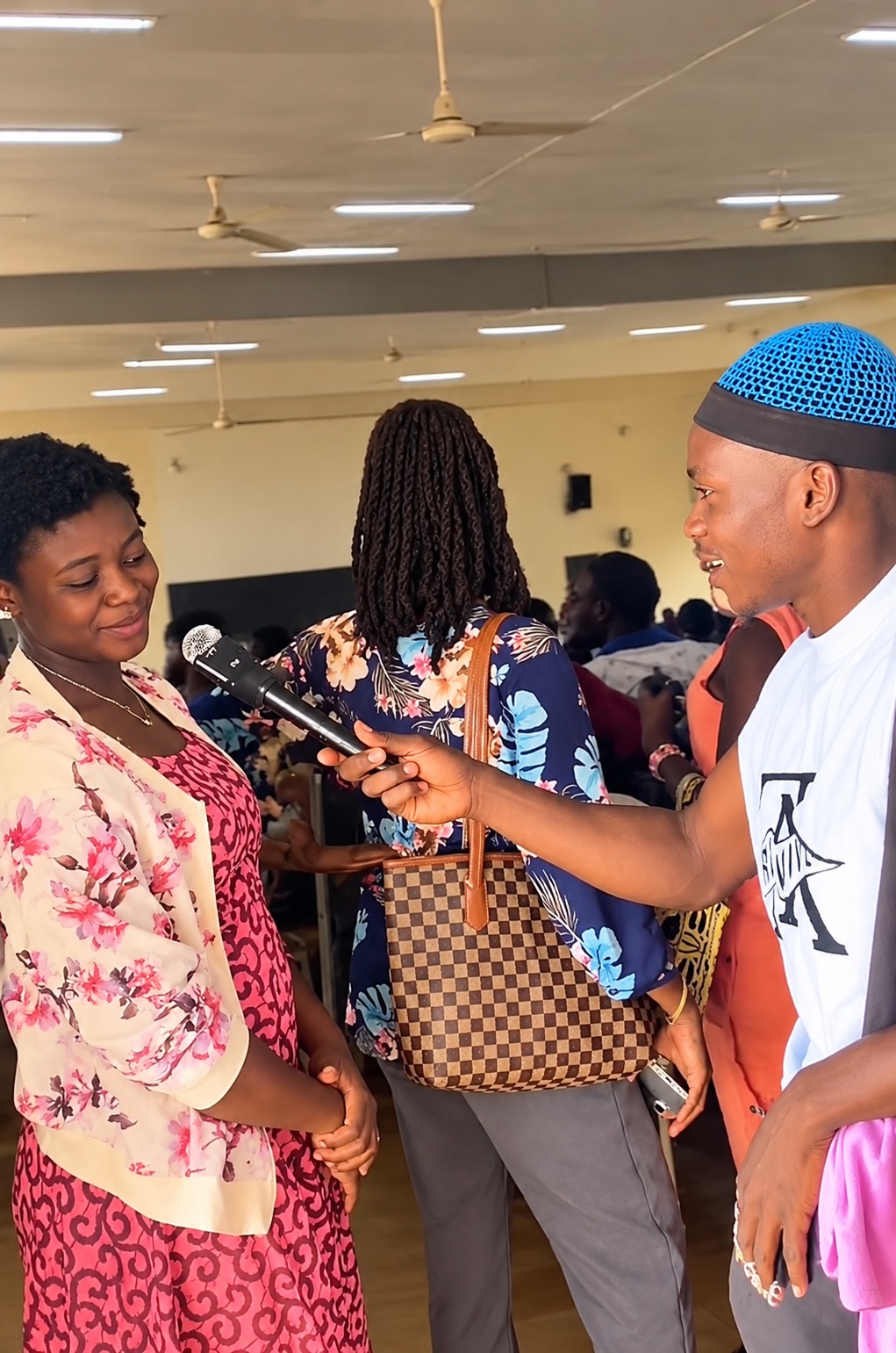

The gap between public declarations and ground realities in Burkina Faso’s higher education system is widening, as students face overcrowded lecture halls, inadequate infrastructure, and difficulties accessing courses. For many young Burkinabè, the transition from secondary school to university has become a stark reminder of the disconnect between government promises and actual conditions.
While officials highlight efforts to modernize the education sector, the daily experiences of students tell a different story. The contrast raises a critical question: what value do political announcements hold when they clash with the lived reality of higher education?
The weight of expectations and the reality of lecture halls
For many students in Burkina Faso, the decision to pursue university studies at home is rooted in both personal and national aspirations. The promise of improved infrastructure and better learning conditions has reinforced the belief that local universities could offer a viable alternative to studying abroad. Yet, when these expectations meet the reality of overcrowded lecture halls and strained resources, the disillusionment is palpable.
The issue extends beyond the physical presence of university buildings. It touches on their actual capacity, equipment, human resources, and the systemic challenges that hinder quality education. Students are not merely calling for modern facilities; they demand functional spaces that can accommodate them, qualified instructors, and an academic environment conducive to learning.
Official numbers expose the depth of the crisis
Concerns about the state of higher education are not just the grievances of opposition groups. In mid-2023, Burkina Faso’s Minister of Higher Education, Adjima Thiombiano, acknowledged the structural challenges plaguing public universities in a formal address to the Transitional Legislative Assembly.
The figures presented painted a sobering picture: over 190,000 students were enrolled in public universities, yet fewer than 90,000 places were available in adequately equipped lecture halls. Additionally, the student-to-faculty ratio stood at approximately 109 students per instructor, far exceeding the recommended benchmark of one instructor for every 25 students.
More than 190,000 students enrolled in public universities for fewer than 90,000 available seats
Student-to-faculty ratio of 109:1, versus the ideal 25:1
Persistent issues with governance, academic delays, and insufficient internet connectivity
These numbers underscore a fundamental truth: announcing new infrastructure does not automatically resolve systemic issues. The availability of modern buildings, without corresponding increases in teaching staff or improved organizational frameworks, leaves the core problems unresolved.
Students returning home: a gamble on promises
The decision to study in Burkina Faso is often driven by patriotism, a desire to contribute to national development, or trust in government assurances. Yet, for those who return only to find lecture halls bursting at the seams, the experience can be deeply demoralizing. The expectations nurtured by public announcements are met with the harsh reality of overcrowding, limited course access, and substandard learning conditions.
While it would be inaccurate to claim that every returning student was misled by government rhetoric, the broader question remains: have authorities been transparent about the true state of universities, their limitations, and the challenges that persist?
The credibility gap in higher education communications
In a climate where authorities seek to rally youth around a national project, announcements about university infrastructure can serve as powerful political messaging. Promises of modern facilities and new projects project an image of rapid transformation. However, when students continue to report packed lecture halls and logistical hurdles, the disconnect between words and reality undermines credibility.
The challenge is not to dismiss potential progress in certain institutions but to evaluate whether these improvements align with the needs of all students. A newly constructed building may exist, yet if it cannot accommodate additional students, its value is questionable. Similarly, equipped classrooms lose their purpose if instructors are unavailable or organizational inefficiencies persist.
To bridge this credibility gap, authorities must provide concrete data: updated figures on available seats, student enrollments, completed investments, and unmet needs. Transparency is essential to distinguish between realized progress and unfulfilled promises.
From slogans to solutions: the test for Burkina Faso’s leadership
The future of higher education in Burkina Faso cannot be built on political slogans alone. Students deserve more than inspiring speeches they need tangible action. This means ensuring lecture halls are accessible, instructors are available, and academic conditions meet the standards necessary for effective learning.
For Ibrahim Traoré’s administration, the true measure of success will not be the volume of announcements made but the ability to deliver on commitments. If Burkina Faso’s universities are indeed as modern and well-equipped as described, authorities must substantiate these claims with verifiable data, accessible facilities, and measurable improvements.
Otherwise, the widening gap between promises and reality risks deepening the disillusionment of a generation that seeks meaningful progress.
By Moussa Samuel Coulibaly — Journalist