
The surge in hopefuls for the Élysée Palace and the unspoken costs of ambition
As the 2027 French presidential election looms on the horizon, the political landscape is swelling with declarations of intent—over 30 public figures, from seasoned politicians to civil society leaders and even Olympic champion Teddy Riner, have signaled their ambition to run for the highest office in France. Yet behind the fanfare of candidacy announcements lies a labyrinth of bureaucratic and logistical challenges that separate mere ambition from official eligibility.
The 500-signature gateway: a political obstacle course disguised as paperwork
In France, declaring a presidential bid is just the opening act. To appear on the ballot, candidates must secure 500 official endorsements—known as parrainages—from elected officials across at least 30 different departments or overseas territories. This threshold is not merely a formality; it is a carefully engineered barrier designed to ensure geographical diversity and prevent the concentration of support in a single region.
The rules are strict: no more than 50 signatures can come from officials in the same department, and the endorsements must come from elected representatives such as mayors, members of parliament, regional and departmental councilors, and other authorized officials. Crucially, these signatures do not imply political allegiance—an elected official may endorse a candidate without sharing their ideology or supporting their platform. The sole purpose of the parrainage system is to validate a candidate’s viability before the electorate.
Why the 500-signature rule exists: balancing democracy and feasibility
The requirement for 500 endorsements, first introduced in 1958 to filter out frivolous or regionalized candidacies, serves a dual purpose. On one hand, it prevents a flood of unknown candidates from clogging the ballot, which could overwhelm voters. On the other, it forces campaigners to build alliances beyond their immediate strongholds, encouraging national outreach rather than local patronage.
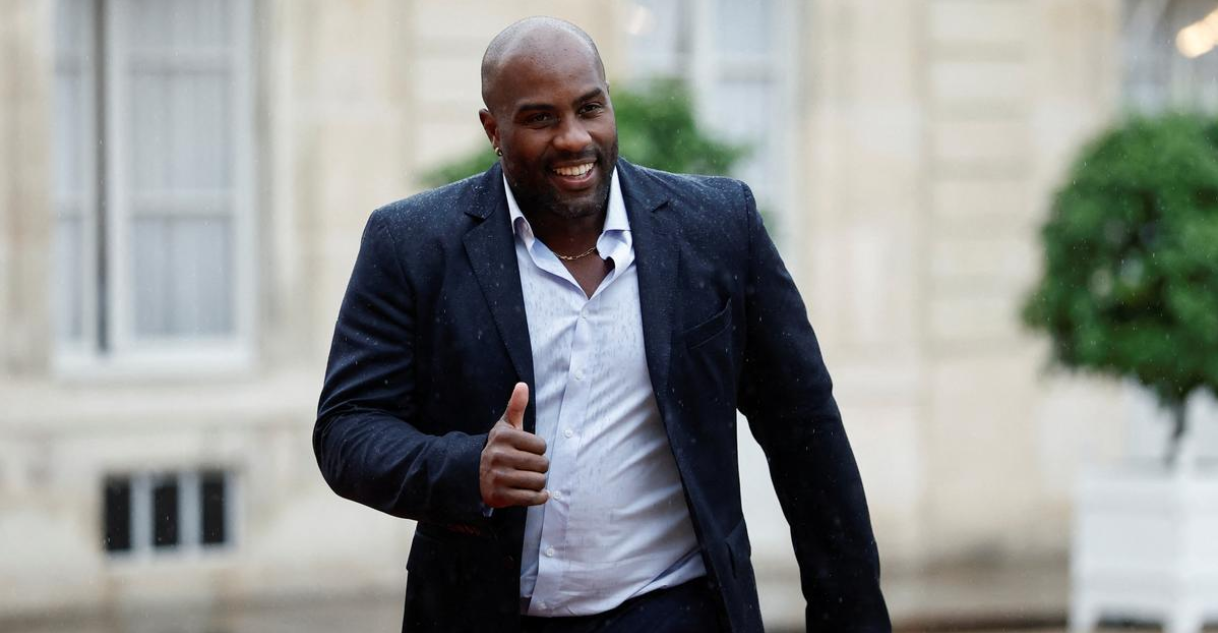
For outsiders—those without deep political networks or grassroots support—the task is daunting. Teddy Riner’s candidacy, announced in November 2026, exemplifies this challenge. As a sports icon with no prior political affiliation, his campaign must now navigate a minefield of local politics, convincing elected officials across France’s vast territorial landscape to back his bid.
Behind the scenes: the silent selectors behind France’s next leader
While candidates crisscross the country in search of parrainages, the real gatekeepers of the election are France’s elected officials. Mayors in rural communes, councilors in metropolitan areas, and parliamentarians in Paris hold the keys to ballot access. Their decisions are influenced by a mix of political calculation, personal rapport, and public sentiment—factors that remain largely invisible to the average voter.
The endorsement process is a high-stakes game of persuasion. For lesser-known candidates, securing 500 signatures can take months of networking, personal meetings, and strategic concessions. Some may resort to trading favors, while others rely on the cachet of their name recognition to sway skeptics. Yet even with a compelling platform, failure to meet the threshold can derail an entire campaign.
Legal and financial checkpoints on the road to the Élysée
Beyond the parrainages, presidential hopefuls must also navigate a stringent set of legal and financial requirements. To qualify, candidates must be French by nationality, at least 18 years old, and in full possession of their civil and political rights. They must also have fulfilled their national service obligations and complied with electoral law formalities.
Once the endorsements are in hand, the dossier is submitted to the Constitutional Council, France’s highest constitutional authority. The Council meticulously verifies the authenticity of each parrainage, the candidate’s eligibility, and their consent to run. Additionally, candidates must submit detailed declarations of assets, interests, and professional activities—a transparency measure aimed at preventing conflicts of interest.
The Council’s final say: when bureaucracy meets power
The Constitutional Council’s seal of approval is the final hurdle before a candidate is officially added to the ballot. This body, independent of political parties, acts as the arbiter of electoral fairness, ensuring that the rules are applied uniformly. Its decisions are binding, and appeals are rarely successful.
For the 2027 election, the Council has set a deadline: all endorsement dossiers must be submitted by 12 March 2027 at 6:00 PM. The official list of candidates is expected to be published by 26 March 2027, leaving aspirants a narrow window to gather signatures and comply with the legal requirements.
The high-stakes gamble: from ambition to ballot box reality
The journey from candidacy announcement to official candidacy is fraught with uncertainty. Of the 30+ figures who have declared their intent, only a fraction will succeed in gathering the necessary parrainages. Some may withdraw under pressure, others will fail to meet the geographic or quantitative thresholds, and a few might be disqualified on legal grounds.
The first round of the presidential election is scheduled for 18 April 2027, with a potential runoff two weeks later on 2 May 2027. Yet the race is already being shaped by the silent dynamics of the endorsement process—dynamics that pit political ambition against institutional reality.
For Teddy Riner and his fellow contenders, the coming months will test not just their ability to articulate a vision for France, but their skill in navigating a system designed to separate the serious from the speculative. In a country where the presidency is the ultimate prize, the true battle may well begin long before voters cast their ballots.